

Common Tailorbird vs Plain Prinia
Orthotomus sutorius contro Prinia inornata
Fai un quiz con Common Tailorbird e Plain Prinia
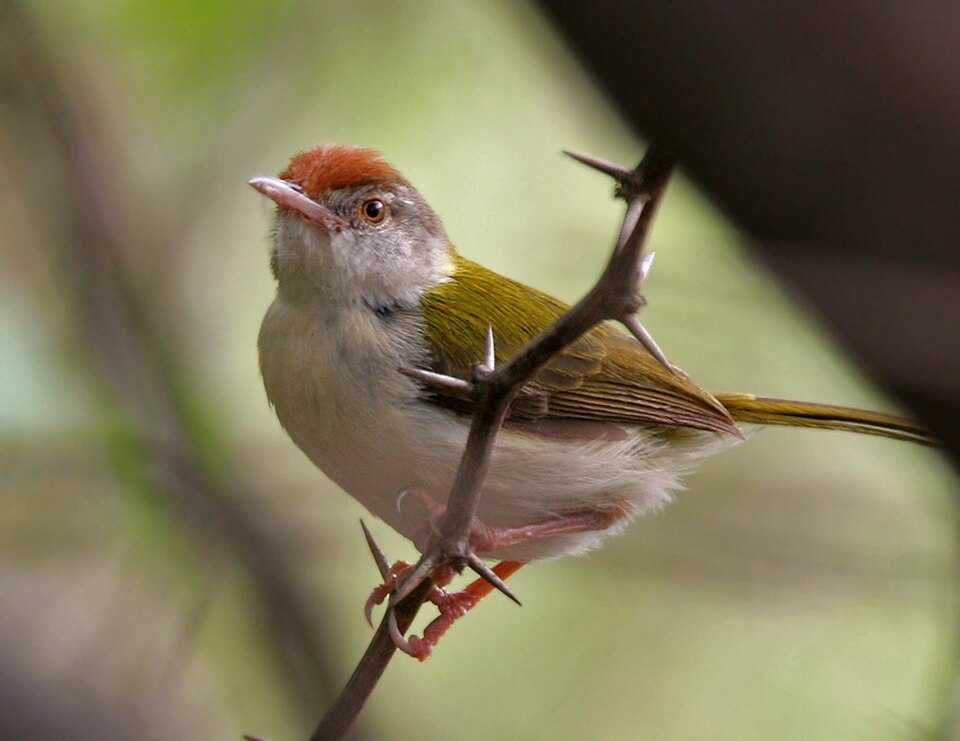 Common Tailorbird
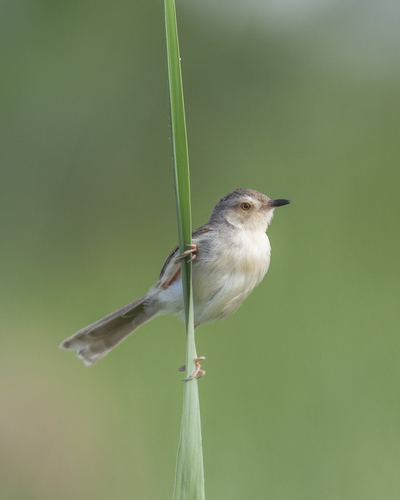 Plain Prinia
In breve
Il segno di campo più affidabile per separare il Common Tailorbird dal Plain Prinia è la presenza di una corona rugginosa e di parti superiori verde brillante sul tailorbird, rispetto all'assenza di rugginoso sulla corona del plain prinia e alle sue parti superiori grigio-marroni o marroni più sobrie. Durante la stagione di riproduzione, i maschi dei tailorbird possono mostrare penne centrali della coda allungate, ma questo non è sempre affidabile. Entrambe le specie hanno code lunghe e una struttura simile a quella dei warbler, ma il tailorbird è generalmente più luminoso e contrastante, specialmente sulla testa. Gli uccelli giovani e non in riproduzione possono essere più opachi, il che aumenta il rischio di confusione, ma il dorso verde del tailorbird e la corona rugginosa rimangono fondamentali. Le vocalizzazioni sono forti e distintive per entrambe, ma non sono descritte in dettaglio qui.
Consigli di identificazione
- Corona rugginosa (tutte le età/stagioni): Solo il Common Tailorbird mostra una distintiva corona rugginosa; il Plain Prinia ne è sempre privo. Questo è il segno di campo più affidabile.
- Colore delle parti superiori: Il tailorbird è verde brillante sopra (anche negli uccelli giovani più opachi), mentre il Plain Prinia è grigio-marrone o marrone caldo sopra, mai verdastro.
- Supercilium: Il Plain Prinia mostra un breve supercilium bianco (sopracciglio), specialmente in abito nuziale; il tailorbird non ha un supercilium forte, mostrando invece un volto più uniforme con corona rugginosa.
- Struttura e lunghezza della coda: Entrambe le specie hanno code lunghe, ma durante la stagione di riproduzione, i maschi dei tailorbird possono mostrare penne centrali della coda allungate. La coda del Plain Prinia è più corta in estate e più lunga in inverno, ma questo è sottile e non sempre affidabile.
- Postura della coda: Il tailorbird tiene spesso la coda eretta e la muove, dando un aspetto simile a quello di un wren; la coda del prinia è lunga ma di solito non è tenuta eretta.
- Parti inferiori: Il tailorbird è bianco crema sotto; il Plain Prinia è bianco-buff, a volte più caldo in inverno. Questa è una differenza sottile e non sempre diagnostica.
- Becco: Entrambi hanno becchi forti e affilati; il becco del tailorbird ha una punta curva, quello del prinia è corto e nero. Questa è sottile e meglio visibile da vicino.
- Schema delle ali in volo: Non sono descritti pannelli o segni distintivi per nessuna delle due specie; non fare affidamento sullo schema delle ali per la separazione.
- Macchie sul collo: Quando chiama, il tailorbird può mostrare macchie scure sui lati del collo (pelle nuda), a volte apparendo come un gorget scuro; il prinia non mostra questa caratteristica.
- Confusione giovanile: I giovani tailorbird sono più opachi ma mantengono parti superiori verdastre e corona rugginosa; i giovani prinias sono marroni semplici sopra e privi di rugginoso sulla corona.
- Contesto dell'habitat: I tailorbird sono particolarmente comuni in giardini urbani densi e in folti vegetali, mentre i prinias si trovano più spesso in cespugli aperti o praterie, ma entrambe le specie possono verificarsi insieme in habitat di margine.
- Voce: Entrambi sono forti e distintivi; se conosci i richiami, usali, ma i dettagli non sono forniti qui.
- Differenze sessuali: I sessi sono simili in entrambe le specie; solo i maschi dei tailorbird durante la stagione di riproduzione possono mostrare penne centrali della coda allungate, ma questo non è sempre affidabile.
- Cambiamenti stagionali: Il Plain Prinia mostra una coda più lunga e parti superiori marroni più calde in inverno; il piumaggio del tailorbird è meno variabile a seconda della stagione.
- Associazione del nido: I tailorbird sono famosi per i loro nidi cuciti con foglie, ma questo non è un segno di campo per l'uccello stesso e non dovrebbe essere usato per l'identificazione.
Taglia
Entrambe le specie sono piccoli warbler attivi con proporzioni simili: ali corte e arrotondate, code lunghe e gambe forti. Il Common Tailorbird pesa in media circa 7,5 grammi [wikidata], con una lunghezza compresa tra 10 e 14 cm [wikipedia]. Il Plain Prinia è leggermente più grande, con una lunghezza di 13-14 cm [wikipedia], ma c'è una sovrapposizione significativa e questa differenza è sottile sul campo. La lunghezza e la forma del becco sono simili, anche se il becco del prinia è descritto come corto e nero, mentre quello del tailorbird è affilato con una punta curva.
Piumaggio
- Uccelli giovani/immaturi: Entrambe le specie sono più opache quando giovani, ma il Common Tailorbird mostra ancora un dorso verdastro e una corona rugginosa, mentre i giovani Plain Prinia sono marroni più semplici sopra e privi di rugginoso sulla corona.
- Piumaggio nuziale adulto: Il Common Tailorbird è verde brillante sopra, bianco crema sotto, con una distintiva corona rugginosa. I maschi possono avere penne centrali della coda allungate. Il Plain Prinia è grigio-marrone sopra con un supercilium bianco, frange rugginose sulla ala chiusa e parti inferiori bianco-buff. Nessuna corona rugginosa. In riproduzione, la coda del prinia è più corta.
- Piumaggio adulto non in riproduzione/invernale: Il Plain Prinia diventa marrone più caldo sopra, le parti inferiori più buff e la coda appare più lunga. Il Common Tailorbird rimane verde brillante e con corona rugginosa, anche se gli uccelli giovani sono più opachi.
- Viste in volo: Non sono descritti schemi o pannelli distintivi per nessuna delle due specie; entrambe hanno ali corte e arrotondate e code lunghe.
Comportamento
Entrambe le specie sono attive, spesso si nascondono in vegetazione densa e muovono le loro lunghe code. Il Common Tailorbird è descritto come timido e di solito nascosto, ma la sua coda è spesso tenuta eretta e mossa, dando un aspetto simile a quello di un wren. Anche il Plain Prinia ha una coda lunga, ma non è descritto come la tiene eretta come il tailorbird. Entrambi si nutrono di insetti e si muovono rapidamente. I tailorbird sono famosi per la loro costruzione unica dei nidi (cucendo foglie), ma questo non è un segno di campo per l'uccello stesso.
Habitat
Entrambe le specie sono residenti diffuse nel Sud e nel Sud-est asiatico. Il Common Tailorbird è particolarmente comune in giardini urbani e in folti vegetali, mentre il Plain Prinia è più generalmente descritto come presente in una vasta gamma di habitat aperti, comprese praterie e cespugli. Entrambe possono sovrapporsi in giardini e habitat di margine, quindi l'habitat da solo non è diagnostico, ma i tailorbird sono più probabili in ambienti urbani densamente vegetati.
Voce
Entrambe le specie sono note per richiami forti e distintivi, ma le descrizioni dettagliate mancano nelle note fornite. Il canto del Common Tailorbird è descritto come un forte 'cheeup-cheeup-cheeup' con variazioni, ma non viene fornita una comparazione diretta con il canto del Plain Prinia. Entrambi possono essere localizzati per voce, ma la separazione per orecchio non è trattata qui.