
Beccaccino vs Wilson's Snipe
Gallinago gallinago contro Gallinago delicata
Fai un quiz con Beccaccino e Wilson's Snipe
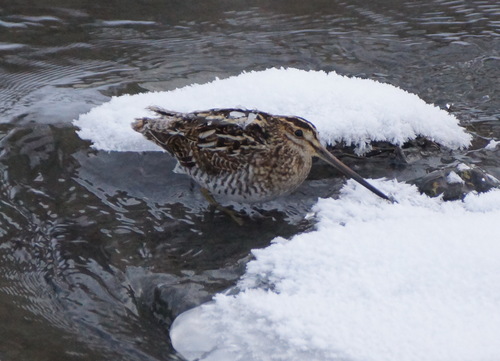 Beccaccino
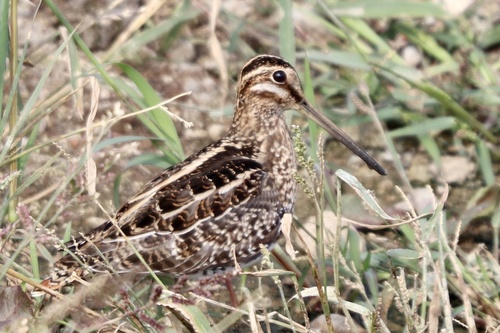 Wilson's Snipe
In breve
Il segno di campo più affidabile tra Beccaccino e Wilson's Snipe è il numero di coppie di penne della coda: il Beccaccino ha sette, mentre il Wilson's Snipe ha otto. Sul campo, questo è raramente visibile, ma la larghezza del bordo bianco di coda dell'ala in volo è un indizio pratico: il Beccaccino mostra un bordo bianco di coda più ampio, mentre quello del Wilson's Snipe è nettamente più stretto. Entrambe le specie sono estremamente simili in dimensioni, struttura e piumaggio generale, con sottili differenze nel tono e nel motivo della parte superiore. La separazione è difficile, specialmente al di fuori delle loro aree principali, e la maggior parte dei segni di campo è meglio giudicata su uccelli in volo o con ottime viste.
Consigli di identificazione
- Bordo bianco di coda dell'ala (tutte le età, in volo): Cerca la larghezza del bordo bianco di coda sulle secondarie. Il Beccaccino mostra una banda bianca più ampia, mentre quella del Wilson's Snipe è più stretta e più limitata alle punte. Questo è meglio visto in buona luce mentre l'uccello vola via o si inclina.
- Conteggio delle penne della coda (tutte le età): Se hai una foto chiara o l'uccello apre la coda, conta le coppie di penne della coda: sette nel Beccaccino, otto nel Wilson's. Questo è raramente pratico sul campo.
- Tono della parte superiore (adulti, in posa): Il Beccaccino può apparire leggermente più ricco o caldo nella parte superiore, specialmente nella sottospecie faeroeensis, ma questo è sottile e si sovrappone con il Wilson's Snipe.
- Lunghezza e forma del becco: Entrambe le specie hanno becchi molto lunghi, dritti e scuri; non usare questo per la separazione.
- Motivo della testa: Entrambi hanno una striscia oculare scura con linee chiare sopra e sotto; non utile per l'ID.
- Colore delle gambe: Entrambi hanno gambe corte di colore grigio-verde; non un separatore.
- Parte inferiore: Entrambi sono chiari sotto; nessuna differenza consistente.
- Comportamento (fuga, alimentazione): Entrambi sono timidi, fuggono a distanza ravvicinata e zigzagano in volo; il comportamento non li separa.
- Display di corteggiamento: Entrambi eseguono display aerei di 'vorticoso' con suoni simili; il comportamento di display non è diagnostico.
- Vocalizzazioni: Entrambi emettono un richiamo acuto quando vengono disturbati e un suono simile a 'battito' durante il display; non sono affidabilmente diversi.
- Habitat: Entrambi utilizzano paludi, torbiere e prati umidi; il contesto è utile solo se ti trovi in una regione in cui una specie è quella predefinita.
- Contesto geografico: In Eurasia, ci si aspetta il Beccaccino; in Nord America, il Wilson's Snipe è quello predefinito. Usa questo come punto di partenza ma conferma con il piumaggio se possibile, specialmente nelle zone di sovrapposizione o per i vagabondi.
- Età/stagione: Non ci sono differenze di piumaggio specifiche per età che siano affidabilmente diagnostiche tra queste due; il bordo di coda dell'ala è consistente tra le età.
- Trappole: Non fare affidamento su colore generale, lunghezza del becco o comportamento. Concentrati sul bordo di coda dell'ala in volo e, se possibile, sul conteggio delle penne della coda.
- Quando hai dubbi: Se il bordo bianco di coda non è chiaramente visibile e il conteggio delle penne della coda non è disponibile, l'identificazione potrebbe non essere possibile sul campo. Documenta con foto per una revisione esperta.
Taglia
Entrambe le specie sono wader compatti e robusti con proporzioni simili. Il Beccaccino pesa in media 119,5 g [wikidata], mentre il Wilson's Snipe rientra in un intervallo quasi identico (79–147 g). Lunghezza e apertura alare si sovrappongono: il Beccaccino è lungo 25–27 cm con un'apertura alare di 44–47 cm; il Wilson's Snipe è lungo 23–28 cm con un'apertura alare di 39–45 cm [wikipedia]. Sul campo, la dimensione non è un separatore affidabile.
Piumaggio
- Visuali di volo giovanili/immaturi e adulti: Il segno più diagnostico è il bordo bianco di coda dell'ala. Il Beccaccino (tutte le età) mostra un bordo bianco di coda più ampio, specialmente sulle secondarie, mentre quello del Wilson's Snipe è più stretto e più confinato alle punte delle secondarie. Questa differenza è sottile ma visibile in buona luce e in buone viste di volo.
- Penne della coda: Se viste bene (ad esempio, in foto o a distanza ravvicinata), il Beccaccino ha sette coppie di penne della coda, il Wilson's Snipe ha otto. Questo è raramente visibile sul campo.
- Parte superiore: Il Beccaccino tende ad avere un tono più ricco sopra, specialmente nella sottospecie faeroeensis, ma questo è variabile e inaffidabile per la maggior parte degli osservatori. Entrambe le specie hanno strisce di colore giallo paglia su uno sfondo marrone.
- Motivo della testa: Entrambe le specie hanno una striscia oculare scura con supercilio e linee suboculari chiare; questo non è un utile separatore.
- Parte inferiore: Entrambi sono chiari sotto, senza differenze consistenti.
- Colore delle gambe: Entrambi hanno gambe corte di colore grigio-verde.
- Becco: Entrambi hanno un becco molto lungo, dritto e scuro; la lunghezza e la forma del becco non sono diagnostiche.
Comportamento
Entrambe le specie sono timide, ben camuffate e fuggono solo quando si avvicinano, zigzagando via in volo. Entrambi sondano nel fango morbido per cibo e eseguono display aerei di 'vorticoso' durante il corteggiamento, producendo un suono distintivo con le loro penne della coda. Il loro comportamento generale e 'jizz' sono praticamente identici sul campo.
Habitat
Le preferenze di habitat sono estremamente simili: entrambe nidificano e si nutrono in paludi, torbiere, prati umidi e tundra. Nel Vecchio Mondo, il Beccaccino è quello predefinito; in Nord America, il Wilson's Snipe predomina. Si verifica sovrapposizione nell'Alaska occidentale (Aleutine) e come vagabondi altrove, ma l'habitat da solo non è un separatore.
Voce
Entrambe le specie emettono un richiamo acuto simile a uno scappellotto quando vengono disturbate e eseguono un display di 'vorticoso' o 'battito' in volo vibrando le loro penne della coda. Il suono è simile in entrambe, descritto come un rumore bleat o affannoso, e non è affidabilmente diverso sul campo.