

Piro piro piccolo vs Albastrello
Actitis hypoleucos contro Tringa stagnatilis
Fai un quiz con Piro piro piccolo e Albastrello
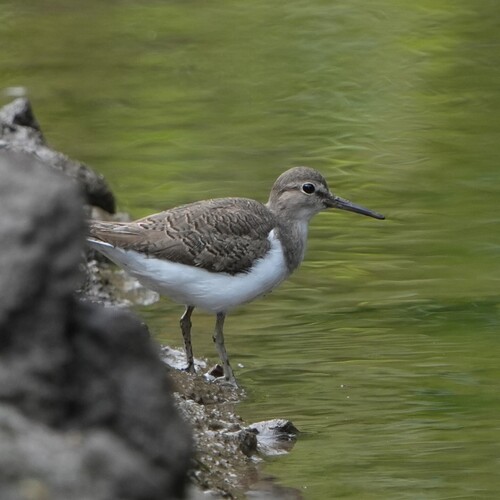 Piro piro piccolo
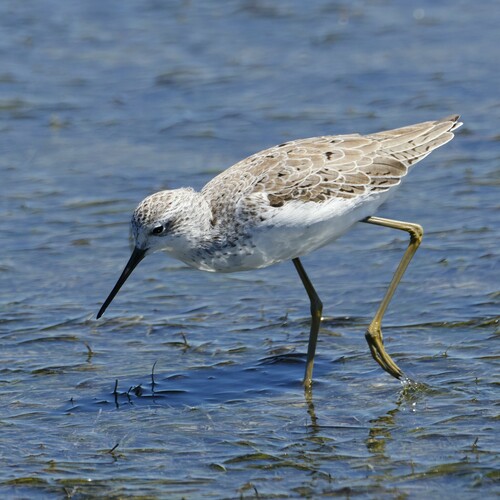 Albastrello
In breve
Il segno di campo più affidabile tra Piro piro piccolo e Albastrello è il colore e la struttura delle gambe: il Piro piro piccolo ha gambe corte, di colore giallo scuro, e un corpo compatto, mentre l'Albastrello mostra gambe molto lunghe e giallastre e una struttura più elegante e snella. In volo, l'Albastrello rivela un cuneo bianco sulla schiena, assente nel Piro piro piccolo. I Piro piro piccoli giovani sono più pesantemente barrati sopra, con piume delle ali con bordi color crema, mentre i giovani Albastrello non sono descritti come mostranti una tale forte barratura. Anche la struttura del becco è fondamentale: il becco dell'Albastrello è più lungo e più fine. Entrambe le specie sono superficialmente simili nel piumaggio non riproduttivo, ma questi segni strutturali e di volo sono decisivi.
Consigli di identificazione
- Lunghezza e colore delle gambe: L'Albastrello ha gambe molto lunghe e giallastre; le gambe del Piro piro piccolo sono corte e di colore giallo scuro. Questo è spesso il segnale di campo più rapido, specialmente quando gli uccelli stanno cercando cibo o camminando.
- Forma del becco: Il becco dell'Albastrello è lungo e fine, dritto e delicato, mentre il becco del Piro piro piccolo è più corto, con una base chiara e una punta scura. La struttura del becco è particolarmente utile a media distanza.
- Schema di volo e parte superiore dell'ala: L'Albastrello mostra un cuneo bianco sulla schiena in volo (tutte le età), che il Piro piro piccolo non ha. Il volo del Piro piro piccolo è basso e rigido, con un modello di ali più nitido ma senza cuneo bianco.
- Piumaggio giovanile: I giovani Piro piro piccoli sono pesantemente barrati sopra con bordi color crema sulle piume delle ali, una caratteristica non descritta per i giovani Albastrello. Cerca questa barratura a fine estate e in autunno.
- Struttura del corpo: L'Albastrello è più alto, più snello e più elegante, con un collo e gambe più lunghi. Il Piro piro piccolo è compatto e accovacciato, con una postura più orizzontale.
- Movimento della coda: Il Piro piro piccolo pompa frequentemente la sua coda e spinge la testa mentre cerca cibo, un comportamento distintivo raramente visto nell'Albastrello.
- Tono del piumaggio: Entrambi sono grigio-marroni sopra e bianchi sotto, ma l'Albastrello è più chiaro in inverno e ha un petto più diffuso e maculato nel piumaggio riproduttivo. Il Piro piro piccolo è più nettamente marcato, specialmente sulle ali in viste ravvicinate.
- Colore delle gambe in condizioni di scarsa illuminazione: In condizioni opache, le gambe dell'Albastrello possono apparire meno gialle, ma la loro lunghezza si distingue ancora rispetto alle gambe corte del Piro piro piccolo.
- Contesto dell'habitat: Se visto in zone umide aperte o in pozzette poco profonde, è più probabile che si tratti di un Albastrello; lungo corsi d'acqua boschivi, rive di laghi o argini fluviali, il Piro piro piccolo è tipico.
- Dimensione del gruppo: Il Piro piro piccolo è solitamente solitario o in piccoli gruppi, raramente in grandi stormi misti. L'Albastrello può essere trovato con altri limicoli in zone umide aperte.
- Barra alare e parte superiore dell'ala in volo: Nessuna delle due specie ha una barra alare fortemente contrastante come alcuni Tringa, ma il cuneo bianco dell'Albastrello è diagnostico in volo.
- Voce: Non descritta in queste note, quindi non fare affidamento sulle vocalizzazioni per la separazione.
- Impressione di dimensione: L'Albastrello è più grande e più allungato, ma fai attenzione alla sovrapposizione con altri Tringa; il Piro piro piccolo è distintamente piccolo e compatto.
- Cambiamenti stagionali: Entrambe le specie diventano più opache in inverno, ma le differenze strutturali (gambe, becco, forma del corpo) rimangono affidabili durante tutto l'anno.
- Trappola: Nel piumaggio non riproduttivo, entrambe le specie sono semplici e grigio-marroni sopra, quindi fai affidamento sulla struttura e sul modello di volo piuttosto che sul colore complessivo.
Taglia
L'Albastrello è notevolmente più grande e più allungato: 22–26 cm di lunghezza, con un'apertura alare di 55–59 cm e una massa media da adulto di circa 72 g [wikidata]. Il Piro piro piccolo è più piccolo e più compatto, con una lunghezza di 18–20 cm e un'apertura alare di 32–35 cm (nessuna massa fornita, ma chiaramente più leggero e con gambe più corte). Sul campo, le gambe più lunghe dell'Albastrello e la sua postura complessivamente più alta sono evidenti, specialmente quando entrambe le specie sono viste insieme.
Piumaggio
I giovani Piro piro piccoli sono pesantemente barrati sopra con piume delle ali con bordi color crema, un modello non descritto per i giovani Albastrello. In tutti i piumaggi, il Piro piro piccolo ha parti superiori grigio-marroni e parti inferiori bianche, con un modello di ali nitido in volo (anche se meno contrastante rispetto ad alcuni Tringa). In inverno, il Piro piro piccolo è più opaco, con una barratura più visibile sulle ali a distanza ravvicinata. L'Albastrello, nel piumaggio riproduttivo, è di un marrone chiaro sobrio sopra con alcune macchie più scure e piccole macchie marroni diffuse sul petto e sul collo. In inverno, diventa più chiaro. La chiave in volo è il cuneo bianco dell'Albastrello sulla schiena, assente nel Piro piro piccolo. Il colore delle gambe è anche un forte indizio: il Piro piro piccolo ha gambe corte e di colore giallo scuro, mentre le gambe dell'Albastrello sono molto lunghe e giallastre. Il colore e la forma del becco differiscono: quello dell'Albastrello è più lungo e più fine, quello del Piro piro piccolo è più corto con una base chiara e una punta scura.
Comportamento
Il Piro piro piccolo è spesso visto da solo o in piccoli gruppi, raramente si unisce a stormi misti, ed è noto per i suoi distintivi movimenti di pompaggio della coda e di spinta della testa mentre cerca cibo. Il suo volo è rigido e basso sull'acqua. L'Albastrello non è descritto in dettaglio comportamentalmente qui, ma il suo genere è generalmente più eretto ed elegante, con una camminata più simile a quella di un trampoliere e meno movimento della coda. Entrambe le specie cercano cibo in acque poco profonde, ma il costante movimento della coda del Piro piro piccolo è un forte indizio comportamentale.
Habitat
Il Piro piro piccolo è un limicolo ampiamente diffuso nel Paleartico, spesso trovato lungo le rive di acque dolci, fiumi e laghi, a volte in piccoli gruppi ma raramente in grandi stormi misti. L'Albastrello nidifica in steppe erbose aperte e zone umide di taiga, preferendo habitat più aperti e paludosi. Durante la migrazione e in inverno, l'Albastrello è più probabile che venga trovato in zone umide aperte e pozzette poco profonde, mentre il Piro piro piccolo preferisce i margini di corsi d'acqua, fiumi e laghi con più copertura.