

Piro piro piccolo vs Pantana
Actitis hypoleucos contro Tringa nebularia
Fai un quiz con Piro piro piccolo e Pantana
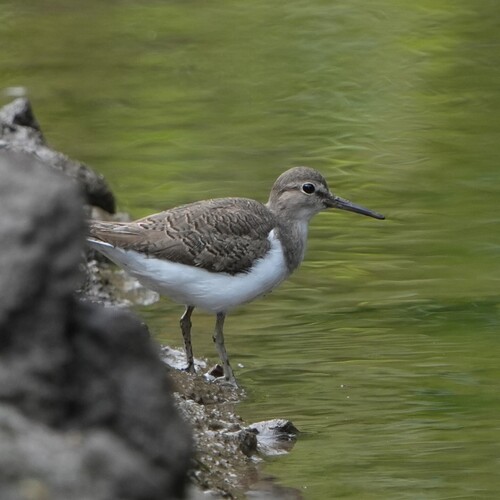 Piro piro piccolo
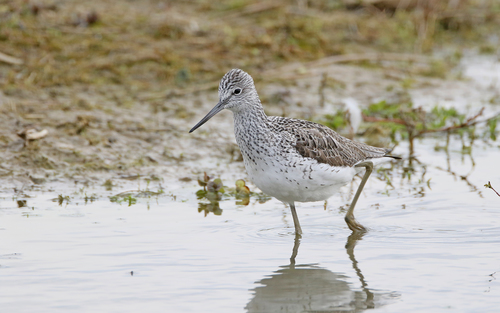 Pantana
In breve
Il segno distintivo più affidabile per separare il Piro piro piccolo dalla Pantana è il colore e la struttura delle gambe: il Piro piro piccolo ha gambe corte, di colore giallo scuro, e un corpo compatto, mentre la Pantana mostra gambe lunghe, di colore verdastro, e una corporatura più grande e slanciata. In volo, i giovani Piro piro piccoli mostrano una marcatura netta con bordi color crema sulle ali superiori, mentre la Pantana ha un caratteristico cuneo bianco lungo la schiena. Anche la forma e la lunghezza del becco differiscono: il becco del Piro piro è corto con una base chiara, mentre quello della Pantana è lungo, leggermente ricurvo e di base grigia. Queste differenze si mantengono in tutte le stagioni, ma sono particolarmente utili quando gli uccelli sono in piumaggio non riproduttivo o giovanile, quando la colorazione generale è simile e la confusione è più probabile.
Consigli di identificazione
- Colore e lunghezza delle gambe: il Piro piro piccolo ha gambe corte, di colore giallo scuro; le gambe della Pantana sono lunghe e verdastre. Questo è spesso visibile anche a distanza ed è affidabile per tutte le età e stagioni.
- Forma e lunghezza del becco: il becco del Piro piro è corto, dritto, con una base chiara e una punta scura; il becco della Pantana è lungo, leggermente ricurvo e di base grigia. Cerca la forma ricurva e la lunghezza di profilo.
- Dimensioni e struttura: la Pantana è molto più grande, con una corporatura più alta e slanciata, un collo più lungo e si trova più in alto sopra l'acqua. Il Piro piro è compatto, basso e piccolo.
- Schema delle ali superiori nei giovani: il giovane Piro piro piccolo mostra marcature nette e bordi color crema sulle piume delle ali, specialmente visibili in volo o da vicino. I giovani della Pantana non hanno questo; invece, cerca il cuneo bianco lungo la schiena in volo.
- Schema di volo: il Piro piro vola basso sopra l'acqua con battiti d'ali rigidi e poco profondi, spesso sbattendo le ali. Il volo della Pantana è più diretto e meno tremolante, e il cuneo bianco sulla schiena è visibile da dietro.
- Contrasto del piumaggio: il Piro piro ha parti superiori di colore marrone-grigiastro con un forte contrasto rispetto alle parti inferiori bianche; la Pantana è più uniformemente marrone o marrone-grigiastro, con meno contrasto.
- Cuneo bianco in volo: la Pantana mostra un cuneo bianco audace lungo la schiena in volo (tutte le età), un segno chiave non mostrato dal Piro piro.
- Coda e groppa: il Piro piro non ha il cuneo bianco e ha un modello di coda e groppa più uniforme; il cuneo bianco della Pantana è diagnostico in volo.
- Comportamento alimentare: il Piro piro muove la coda e cerca cibo con movimenti brevi e rapidi; la Pantana è più propensa a camminare attivamente e a guadare in acque più profonde.
- Dimensione del gruppo: il Piro piro è spesso solitario o in piccoli gruppi, raramente in stormi misti; la Pantana può essere trovata in gruppi più grandi, specialmente durante la migrazione.
- Habitat: il Piro piro preferisce le rive, le sponde dei fiumi e i bordi dei laghi; la Pantana è più probabile trovarla in paludi aperte, estuari e zone umide più grandi.
- Voce: se senti un richiamo flautato e ripetuto di teu-teu-teu, è la Pantana. La mancanza di questo richiamo non conferma il Piro piro, ma la sua presenza è un forte indizio per la Pantana.
- Aspetto stagionale: entrambe le specie diventano più opache in inverno, ma i segni strutturali e di volo rimangono affidabili. I giovani Piro piro sono particolarmente ben marcati sopra.
- Possibili insidie: in luce fioca o a distanza, dimensioni e struttura possono essere difficili da giudicare. Concentrati sul colore e sulla lunghezza delle gambe, e cerca il cuneo bianco in volo per la Pantana, o le ali superiori barrate per il giovane Piro piro.
- Quando hai dubbi: cerca di vedere l'uccello in volo e a riposo, e confronta più caratteristiche—nessun segno è infallibile, ma la combinazione di colore delle gambe, forma del becco, dimensioni e schema di volo è definitiva.
Taglia
La Pantana è molto più grande e pesante del Piro piro piccolo. Anche se non sono fornite misure esatte per il Piro piro, la Pantana pesa circa 173g [wikidata], rendendola robusta e visibilmente più grande sul campo. Il Piro piro è un piccolo trampoliere, compatto e basso a terra, mentre la Pantana si erge alta sulle sue lunghe gambe, con un collo e un becco più lunghi. Questa differenza di dimensioni è solitamente ovvia quando entrambi sono visti insieme, ma anche singolarmente, le proporzioni e l'altezza della Pantana la distinguono.
Piumaggio
I giovani Piro piro piccoli hanno parti superiori fortemente barrate con bordi color crema sulle piume delle ali, dando un aspetto nitido e dettagliato alle ali superiori in volo o a riposo. Gli adulti in inverno sono più opachi, ma mostrano ancora alcune barre sulle ali, sebbene meno pronunciate. Al contrario, i giovani e gli adulti della Pantana non hanno questa fine barratura; invece, in volo, mostrano un audace cuneo bianco lungo la schiena, una caratteristica chiave visibile da dietro o dall'alto. Le parti superiori del Piro piro sono di colore marrone-grigiastro, con parti inferiori bianche e una chiara divisione tra le due. La Pantana è marrone in piumaggio di riproduzione, diventando marrone-grigiastro in inverno, con meno contrasto e un aspetto più uniforme. Le gambe della Pantana sono sempre verdastre, e il becco è più lungo e leggermente ricurvo, mentre le gambe del Piro piro sono di colore giallo scuro e il becco è corto e dritto con una base chiara. Entrambe le specie hanno parti inferiori bianche, ma quelle del Piro piro sono più pulite e più nettamente demarcate.
Comportamento
Il Piro piro piccolo è solitamente visto da solo o in piccoli gruppi, spesso muovendo la coda e cercando cibo con un caratteristico movimento a pompa. Ha un volo rigido e basso sopra l'acqua, spesso sbattendo le ali. La Pantana è meno propensa a muovere la coda, si muove con passi più lunghi a causa delle sue lunghe gambe, ed è spesso vista guadare in acque più profonde. Lo stile alimentare della Pantana è più attivo, a volte inseguendo prede in acque poco profonde, e può essere trovata in stormi misti più grandi durante la migrazione. Il Piro piro raramente si unisce a stormi di più specie.
Habitat
Entrambe le specie sono trampolieri, ma il Piro piro piccolo preferisce i bordi di corpi d'acqua dolce, fiumi e laghi, spesso vicino alla riva e su fango o ghiaia. La Pantana è più probabile trovarla in paludi, estuari e zone umide più grandi, spesso in acque più aperte o più profonde rispetto al Piro piro. L'habitat della Pantana è generalmente più ampio e meno legato alla riva immediata.
Voce
Il richiamo abituale della Pantana è una rapida serie di tre note brevi e flautate: teu-teu-teu. Non ci sono dettagli sulla vocalizzazione per il Piro piro piccolo nelle note, ma il richiamo della Pantana è distintivo e si sente bene, spesso udito in volo o quando viene disturbato. Se senti questo richiamo flautato e ripetuto, indica fortemente la Pantana.