

Cannaiola comune vs Clamorous Reed Warbler
Acrocephalus scirpaceus contro Acrocephalus stentoreus
Fai un quiz con Cannaiola comune e Clamorous Reed Warbler
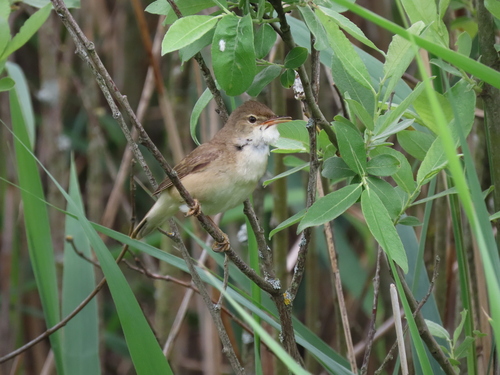 Cannaiola comune
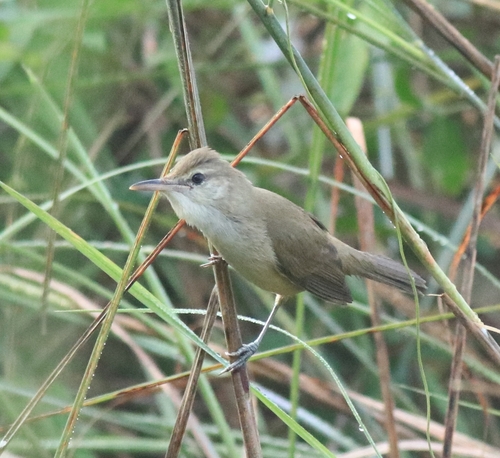 Clamorous Reed Warbler
In breve
Il modo più affidabile per separare la Cannaiola comune dalla Clamorous Reed Warbler è la dimensione: la Clamorous è molto più grande, avvicinandosi alle dimensioni di un tordo, mentre la Cannaiola è un piccolo e snello warbler. Entrambe le specie hanno dorso marrone uniforme e parti inferiori chiare, ma la Clamorous è più robusta e più chiara sotto, mentre la Cannaiola appare più compatta e con un buff più caldo sotto, specialmente nei giovani. Le differenze strutturali—soprattutto la lunghezza complessiva e il jizz—sono fondamentali, poiché il piumaggio è molto simile. La voce può essere utile, ma entrambe hanno canti lenti e chiacchieroni con mimetismo, quindi dimensione e struttura rimangono i migliori indizi sul campo.
Consigli di identificazione
- La dimensione è il segno sul campo più affidabile: la Clamorous Reed Warbler è molto più grande (18–20 cm) della Cannaiola comune (13 cm). Se l'uccello sembra delle dimensioni di un tordo tra le canne, è probabile che sia una Clamorous.
- Struttura: la Clamorous Reed Warbler appare più robusta, con un becco più pesante e una testa più grande. La Cannaiola comune è più snella e più delicata nel complesso.
- Colore delle parti inferiori: la Cannaiola comune adulta ha parti inferiori color buff (più ricche nei giovani), mentre la Clamorous Reed Warbler è più chiara e più biancastra sotto. Questo è sottile e può essere influenzato dalla luce.
- Dorso: entrambe hanno dorso marrone uniforme, ma la Clamorous può mostrare un marrone leggermente più ricco o scuro in alcune razze. Non è un segno forte sul campo.
- Supercilium: entrambe mancano di un forte supercilium; non usare questo come separatore.
- Becco: la Clamorous ha un becco proporzionalmente più grande e pesante, ma questo è meglio giudicato con un confronto diretto o esperienza.
- Aspetto in volo: la Clamorous sembra avere ali larghe e pesanti in volo; la Cannaiola è più compatta e agile. Non sono notati pannelli distintivi sulle ali o segni di volo specifici per età per nessuna delle due specie.
- Piumaggio giovanile: i giovani della Cannaiola comune sono più caldi e buff sotto, ma questo non è sempre ovvio sul campo. Non sono notati segni giovanili unici per la Clamorous.
- Canto: il canto della Clamorous è più forte e più energico, ma i canti di entrambe le specie sono lenti, chiacchieroni e includono mimetismo. Usare con cautela.
- Habitat: entrambe sono specialiste delle canne; l'habitat non è un separatore dove gli areali si sovrappongono.
- Distribuzione: in Europa e nel Palearctico occidentale, aspettati la Cannaiola comune; in Egitto fino all'Asia sud-orientale, aspettati la Clamorous. I vagabondi sono possibili, quindi controlla sempre dimensione e struttura.
- Comportamento: la Clamorous può apparire più pesante e meno agile della Cannaiola, ma entrambe sono tipicamente furtive e legate alle canne.
- Contesto: se viste con altri warbler Acrocephalus, confronta direttamente per dimensione e struttura.
- Sessi: entrambe le specie sono sessualmente monomorfiche; il sesso non è un separatore.
- Insidie: non fare affidamento su sfumature di piumaggio sottili o solo sul canto—dimensione e struttura sono gli indizi più affidabili, specialmente in condizioni di scarsa illuminazione o visioni brevi.
Taglia
La Clamorous Reed Warbler è sostanzialmente più grande della Cannaiola comune. La Cannaiola comune è lunga circa 13 cm e pesa circa 12 g, rendendola un tipico piccolo Acrocephalus. La Clamorous Reed Warbler, al contrario, è lunga 18–20 cm—quasi delle dimensioni di un Tordo bottaccio—e visibilmente più robusta. Questa differenza di dimensioni è solitamente evidente anche a distanza o in stormi misti. Se vedi un warbler delle canne che sembra insolitamente grande, specialmente rispetto ai warbler vicini, sospetta la Clamorous. Anche il becco e la testa sono proporzionalmente più grandi e pesanti nella Clamorous.
Piumaggio
Entrambe le specie hanno dorso marrone non striato e parti inferiori chiare, con una fronte piatta e un becco forte e appuntito. La Cannaiola comune adulta mostra parti inferiori color buff, specialmente ricche nei giovani, mentre la Clamorous Reed Warbler ha parti inferiori bianche come adulto. Non c'è menzione di schemi distintivi delle ali superiori per i giovani o immaturi per nessuna delle due specie, quindi i segni di volo specifici per età non sono utili. Differenze sottili nel tono delle parti inferiori possono aiutare: la Cannaiola comune è più calda e buffosa sotto, specialmente nei giovani, mentre la Clamorous è più chiara e più sbiadita. Entrambe mancano di forti supercilia e hanno volti simili e semplici. Esiste una variazione regionale nella Clamorous, con alcune razze che mostrano parti superiori marroni più scure o più ricche, ma queste sono sottili e non sempre affidabili sul campo.
Comportamento
Entrambe le specie sono warbler furtivi delle canne, spesso viste arrampicarsi tra le canne o fare brevi voli tra i fusti. La Clamorous Reed Warbler, essendo più grande e pesante, può apparire meno agile e più pesante nei movimenti rispetto alla più attiva e agile Cannaiola comune. In volo, la maggiore dimensione e le ali più larghe della Clamorous sono evidenti, mentre la Cannaiola comune appare più snella e delicata. Entrambe le specie si posano erette con una fronte piatta, ma la Clamorous può sembrare più robusta nel complesso.
Habitat
Entrambe le specie sono specialiste delle canne, tipicamente trovate in densi gruppi di canne vicino all'acqua. Tuttavia, i loro areali non si sovrappongono molto: la Cannaiola comune nidifica in tutta Europa e nel Palearctico occidentale, mentre la Clamorous Reed Warbler si trova dall'Egitto verso est attraverso il Sud e il Sud-est asiatico. Nelle regioni in cui entrambe potrebbero verificarsi come vagabondi o in migrazione, la preferenza per l'habitat non è un separatore affidabile, poiché entrambe favoriscono ambienti umidi simili.
Voce
Entrambe le specie hanno canti lenti e chiacchieroni con fischi acrocephalini e mimetismo. Il canto della Cannaiola comune è un lento e chiacchierone 'jit-jit-jit', mentre quello della Clamorous Reed Warbler è un forte e lontano 'kereet-kereet-kereet.' Il canto della Clamorous è meno rauco di quello del Cannareccione, ma generalmente è più forte e più energico di quello della Cannaiola comune. Tuttavia, sul campo, la differenza può essere sottile, e entrambe possono essere confusamente simili per ascoltatori inesperti.
Cannaiola comune · Clamorous Reed Warbler · I miei uccelli difficili