

Quaglia vs Harlequin Quail
Coturnix coturnix contro Coturnix delegorguei
Fai un quiz con Quaglia e Harlequin Quail
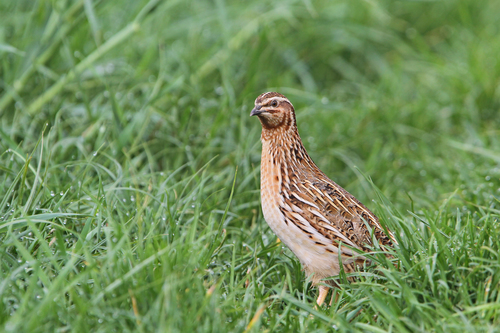 Quaglia
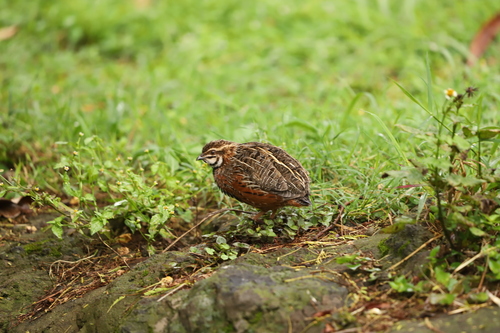 Harlequin Quail
In breve
La distinzione di campo più affidabile tra Quaglia e Harlequin Quail è la combinazione della striscia bianca sopra l'occhio della Quaglia e, nei maschi, un mento bianco, insieme alle sue ali notevolmente lunghe, una caratteristica legata al suo stile di vita migratorio. L'Harlequin Quail manca di segni di campo dettagliati pubblicati nelle fonti, ma è generalmente simile in dimensioni e struttura, con differenze sottili più evidenti nell'areale e nel contesto che nella livrea. La Quaglia è migratoria e diffusa in Europa, Nord Africa e parti dell'Asia, mentre l'Harlequin Quail è residente nell'Africa subsahariana e nella Penisola Arabica. Quando si osserva in campo, concentrarsi sui segni facciali bianchi della Quaglia e sulle sue ali relativamente lunghe, specialmente se osservata in volo o durante la migrazione.
Consigli di identificazione
- Striscia bianca sopra l'occhio (tutte le età, entrambi i sessi): La Quaglia mostra una chiara striscia bianca sopra l'occhio, che è assente o molto meno distinta nell'Harlequin Quail.
- Mento bianco (maschi adulti): Il maschio della Quaglia ha una macchia bianca sul mento, una caratteristica non descritta per l'Harlequin Quail.
- Lunghezza e forma delle ali: La Quaglia ha ali più lunghe e appuntite rispetto alla maggior parte delle quaglie, riflettendo la sua natura migratoria. Questo è meglio visibile in volo o quando è posata con le ali ripiegate; l'Harlequin Quail non è noto per ali particolarmente lunghe.
- Schema facciale: Concentrati sul viso—la striscia bianca sopra l'occhio e il mento della Quaglia sono i principali segni di campo. Il viso dell'Harlequin Quail è meno contrastante e manca di queste caratteristiche bianche.
- Volo: Il volo della Quaglia è forte, veloce e diretto, con ali lunghe. L'Harlequin Quail probabilmente ha un volo di quaglia più tipico e con ali corte, ma questo non è dettagliato nelle fonti.
- Striature della livrea: Entrambe le specie sono marroni e striate, quindi il modello corporeo complessivo non è un separatore affidabile.
- Livrea giovanile/immatura: Non sono descritte differenze distintive nel modello delle ali superiori o del corpo tra queste due specie nelle fonti.
- Richiamo: Se senti il classico richiamo della Quaglia a tre note, puoi escludere l'Harlequin Quail. Le vocalizzazioni dell'Harlequin Quail non sono descritte, ma si afferma che siano distinte.
- Areale e contesto: In Europa, Nord Africa, o Asia occidentale, aspettati la Quaglia. Nell'Africa subsahariana o nella Penisola Arabica, l'Harlequin Quail è la norma. È possibile sovrapposizione nel nord Africa durante la migrazione, quindi utilizza anche la livrea e il richiamo.
- Stagionalità: La Quaglia è migratoria, quindi grandi movimenti e apparizioni improvvise in nuove aree (specialmente in primavera e autunno) sono tipiche. L'Harlequin Quail è residente.
- Differenze sessuali: Solo il maschio della Quaglia ha un mento bianco; le femmine mancano di questo ma mantengono la striscia sopra l'occhio. Non sono descritti segni di campo specifici per sesso per l'Harlequin Quail.
- Dimensioni: Entrambe sono simili, piccole e arrotondate; la dimensione non è un segno di campo affidabile.
- Habitat: Entrambe preferiscono habitat aperti, erbosi o agricoli, quindi l'habitat da solo non è diagnostico a meno che non sia combinato con la geografia.
- Comportamento: Entrambe sono riservate e si allontanano a distanza ravvicinata. La Quaglia potrebbe essere più propensa a intraprendere voli lunghi e sostenuti a causa della sua natura migratoria.
- Trappole: In scarsa luce o a distanza, la striscia bianca sopra l'occhio e il mento potrebbero essere difficili da vedere. In tali casi, fai affidamento sul richiamo e sull'areale come indizi di supporto.
Taglia
Entrambe le specie sono piccoli, compatti uccelli da caccia del genere Coturnix. La Quaglia misura 16–18 cm di lunghezza con un'apertura alare di 32–35 cm e un peso che varia da 70 a 140 g, raggiungendo il picco prima della migrazione. L'Harlequin Quail ha una massa corporea media riportata di 75 g, collocandosi bene all'interno della fascia inferiore della Quaglia. In campo, la dimensione non è un separatore affidabile tra queste due, poiché la sovrapposizione è sostanziale e entrambe appaiono simili, piccole e arrotondate.
Piumaggio
Per tutte le età, la Quaglia mostra un corpo marrone striato con una distintiva striscia bianca sopra l'occhio e, nei maschi, un mento bianco. Le sue ali sono relativamente lunghe e appuntite per una quaglia, riflettendo le sue abitudini migratorie. Non sono descritte nelle fonti differenze dettagliate specifiche per età o nel modello delle ali superiori per giovanili o immaturi, quindi l'attenzione rimane sulle caratteristiche facciali e sulla lunghezza delle ali. La livrea dell'Harlequin Quail non è descritta in dettaglio nelle fonti disponibili, ma si implica che manchi del mento e della striscia bianca della Quaglia. Entrambe le specie sono generalmente marroni e crittiche, ma i segni facciali della Quaglia sono il segnale di campo più pratico.
Comportamento
La Quaglia è migratoria, spesso incontrata in campi aperti o praterie, ed è più spesso udita che vista a causa delle sue abitudini riservate. È nota per il suo volo forte e diretto su lunghe ali. L'Harlequin Quail è residente nell'Africa subsahariana e nella Penisola Arabica, mostrando probabilmente un comportamento simile di vita a terra e di nascondiglio, ma senza i voli migratori a lungo raggio. Entrambe le specie nidificano a terra e tendono a volare solo quando si avvicinano.
Habitat
La Quaglia nidifica nel Paleartico (Europa, Nord Africa, Asia occidentale) e sverna in Africa e nel sud dell'India, preferendo campi aperti, praterie e aree agricole. L'Harlequin Quail si trova nell'Africa subsahariana e nella Penisola Arabica, probabilmente in habitat aperti simili ma limitato al suo areale africano e arabo. Pertanto, la posizione geografica è spesso il miglior indizio di contesto: Quaglia in Eurasia e Nord Africa, Harlequin Quail nell'Africa subsahariana e Arabia.
Voce
La Quaglia è famosa per il suo richiamo distintivo: tre cinguettii ripetuti in rapida successione, spesso uditi all'alba o al crepuscolo. Questo richiamo è diagnostico e molto diverso dai richiami di altre specie di Coturnix, incluso l'Harlequin Quail. Le vocalizzazioni dell'Harlequin Quail non sono descritte nelle fonti, ma si afferma che siano distinte da quelle della Quaglia, quindi se senti il classico richiamo della Quaglia a tre note, è improbabile che sia l'Harlequin Quail.