
Gheppio vs Lodolaio
Falco tinnunculus contro Falco subbuteo
Fai un quiz con Gheppio e Lodolaio
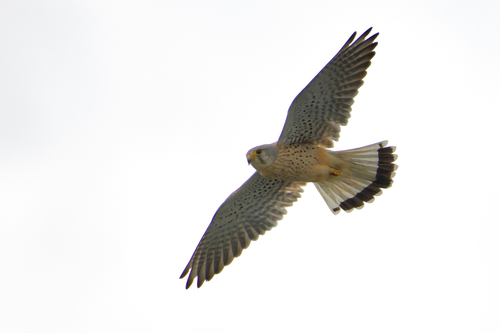 Gheppio
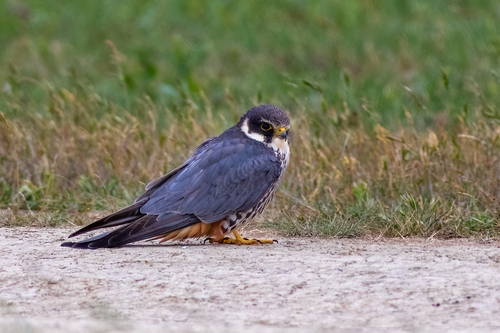 Lodolaio
In breve
Il segno distintivo più affidabile tra Gheppio e Lodolaio è il caratteristico 'pantalone' rosso ruggine del Lodolaio (cosce e copritrici della coda) e la gola bianca non striata, che contrastano con le parti inferiori striate color crema del Gheppio e l'assenza di rosso ruggine sulle cosce. In volo, il Lodolaio appare con le ali a falce e simile a un swift, mentre il Gheppio mostra ali più larghe e una coda più lunga e ovviamente barrata. I Lodolaio giovani sono più marroni sopra con cosce striate color crema, ma mostrano comunque un diverso schema delle parti inferiori rispetto ai Gheppio giovani, che somigliano a femmine adulte con pesanti striature sotto. Entrambe le specie sono simili in dimensioni, ma il Lodolaio è leggermente più pesante e più aerodinamico. In posizione perpendicolare, la postura eretta del Gheppio e la lunga coda differiscono dalla posizione più orizzontale del Lodolaio e dalla coda più corta e squadrata.
Consigli di identificazione
- 'Pantaloni' ruggine (cosce e copritrici della coda): Il Lodolaio adulto mostra sempre un ricco rosso ruggine sulle cosce e copritrici della coda, visibile sia in posizione perpendicolare che in volo. Il Gheppio non mostra mai questo; le sue parti inferiori sono striate color crema o pallido, senza rosso ruggine limitato alle cosce.
- Schema della gola: Il Lodolaio ha una gola bianca pulita e non striata, in contrasto con la sua corona scura e le strisce della baffo. La gola del Gheppio è color crema con striature nere strette, che si fondono con le parti inferiori striate.
- Striature delle parti inferiori: Il Gheppio (tutte le età) mostra pesanti striature strette sulle parti inferiori color crema; le parti inferiori del Lodolaio sono bianche con audaci striature nere, ma l'effetto è meno denso e manca del tono color crema complessivo.
- Colore delle parti superiori: Il Lodolaio adulto è grigio ardesia sopra; il Gheppio è marrone castano chiaro con macchie nere. Il Lodolaio giovane è più marrone sopra ma manca ancora del tono castano e del modello di macchie del Gheppio.
- Schema e forma della coda: Il Gheppio ha una lunga coda con barre nere (femmina/giovane) o blu-grigia con una punta nera (maschio), sempre con un bordo bianco stretto. La coda del Lodolaio è più corta, squadrata e priva di forti barre; appare più uniforme grigia o marrone nei giovani.
- Forma dell'ala in volo: Le ali del Lodolaio sono lunghe, strette e appuntite, dando un profilo a falce o simile a un swift. Le ali del Gheppio sono più larghe e meno appuntite, con un profilo più rettangolare.
- Stile di volo: Il Lodolaio è veloce, agile, e spesso insegue prede in aria aperta, a volte mangiando in volo. Il Gheppio tipicamente si libra o scivola con battiti d'ala costanti, raramente mostrando la stessa agilità aerea.
- Postura in posizione perpendicolare: Il Gheppio si siede eretto con una lunga coda che pende sotto il posatoio. Il Lodolaio si posiziona più orizzontalmente, con una coda più corta e squadrata.
- Schema facciale: Entrambi hanno una striscia scura sul baffo, ma quella del Lodolaio è più corta e abbinata a una corona scura, mentre quella del Gheppio è più prominente e isolata contro una testa più chiara (soprattutto nei maschi).
- Dimorfismo sessuale: I maschi del Gheppio hanno un cappello e una coda blu-grigia, le femmine e i giovani sono più marroni. I sessi del Lodolaio sono simili, rendendo il sesso meno utile per l'identificazione sul campo.
- Colore delle parti nude: Entrambi hanno cere e piedi gialli, ma quelli del Gheppio sono più brillanti; i giovani di entrambi hanno parti nude più chiare.
- Confusione giovanile: I Gheppio giovani assomigliano a femmine adulte ma con striature più pesanti sotto; i Lodolaio giovani sono più marroni sopra e hanno cosce striate color crema, ma controlla sempre i 'pantaloni' ruggine e la gola più pulita nel Lodolaio.
- Contesto dell'habitat: Il Gheppio è più probabile che si trovi in aree urbane e terreni agricoli, spesso visto librarsi sopra i campi; il Lodolaio preferisce il paese aperto con alberi sparsi ed è più probabile che venga visto a caccia di insetti volanti o uccelli.
- Indizi comportamentali: Il librarsi indica quasi sempre il Gheppio; le inseguimenti aeree e il mangiare in volo indicano il Lodolaio.
- Dimensioni e impressione generale: Il Lodolaio è leggermente più pesante e più aerodinamico, ma la sovrapposizione delle dimensioni è considerevole; fai affidamento sulla struttura e sul piumaggio più che sulla massa.
Taglia
Entrambe le specie sono piccoli falchi, ma il Lodolaio è mediamente leggermente più pesante (211 g contro 184 g per i Gheppio adulti [wikidata]). Il Gheppio è leggermente più lungo (32–39 cm contro 29–36 cm) ma ha un'apertura alare leggermente più corta (65–82 cm per il Gheppio, 74–84 cm per il Lodolaio [wikipedia]). Sul campo, il Lodolaio appare più snello e aerodinamico, con ali più lunghe e strette rispetto al suo corpo, mentre il Gheppio appare più massiccio e con una coda più lunga. Le femmine di Gheppio sono notevolmente più grandi dei maschi, ma le differenze sessuali nel Lodolaio sono minime.
Piumaggio
Gli uccelli giovani e immaturi sono una comune fonte di confusione. I Gheppio giovani assomigliano a femmine adulte, con parti inferiori pesantemente striate color crema, parti superiori marroni con macchie nere e una coda marrone barrata. Le loro parti nude sono di un giallo più chiaro. I Lodolaio giovani sono generalmente molto più marroni sopra, con un aspetto squamato, e hanno cosce striate color crema e copritrici della coda, ma le loro parti inferiori sono meno pesantemente striate rispetto ai Gheppio. I Lodolaio adulti sono grigio ardesia sopra con una corona scura e due brevi strisce nere sul baffo, una gola bianca pulita e cosce e copritrici della coda di un colpo rosso ruggine. Le loro parti inferiori sono bianche con audaci striature nere ma mancano del tono color crema complessivo del Gheppio. I Gheppio maschi adulti hanno un cappello e una coda blu-grigia, meno macchie nere e una prominente striscia nera malare; le femmine e i giovani mancano del blu-grigio e hanno più barre e striature. La coda del Gheppio è più lunga, marrone con barre nere (femmina/giovane) o blu-grigia con una banda subterminale nera (maschio), sempre con una punta bianca stretta.
Comportamento
I Gheppio comuni sono spesso visti librarsi in posizione mentre cacciano, un comportamento raramente mostrato dai Lodolaio. I Gheppio si posano anche eretti su pali o fili, scrutando alla ricerca di prede. I Lodolaio sono volatori veloci e agili, frequentemente visti inseguire insetti o piccoli uccelli in volo, e spesso mangiano le prede mentre volano. In volo, i Lodolaio appaiono simili a swift, con ali lunghe e appuntite e movimenti rapidi e agili. I Gheppio hanno un volo più costante e più galleggiante con ali più larghe e una coda più lunga, e raramente inseguono prede in aria aperta con la stessa acrobazia dei Lodolaio.
Habitat
Entrambe le specie utilizzano il paese aperto, ma il Gheppio comune si trova più spesso in terreni agricoli, praterie e aree urbane, nidificando frequentemente su edifici o scogliere. Il Lodolaio preferisce le pianure aperte con boschi sparsi, paludi e taiga, ed è meno probabile che venga visto in ambienti urbani densi. I Lodolaio sono più associati a aree che supportano grandi insetti volanti e piccoli uccelli, mentre i Gheppio si concentrano su piccoli mammiferi e sono più tolleranti nei paesaggi alterati dall'uomo.