

Crociere comune vs Crociere fasciato
Loxia curvirostra contro Loxia leucoptera
Fai un quiz con Crociere comune e Crociere fasciato
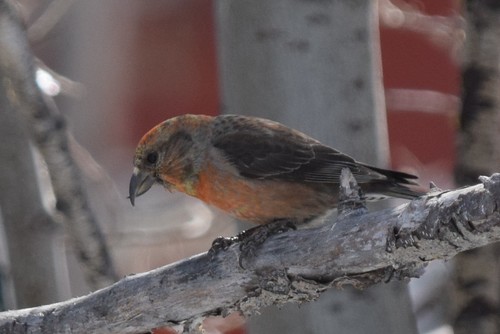 Crociere comune
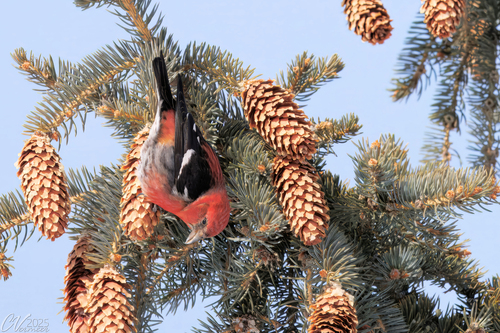 Crociere fasciato
In breve
Il segno distintivo più affidabile per separare la Crociere comune dalla Crociere fasciato a qualsiasi età o stagione è la presenza di due evidenti bande bianche sulle ali della Crociere fasciato, che sono completamente assenti nella Crociere comune. Questa differenza è particolarmente evidente in volo o su uccelli in posa con una chiara visione dell'ala ripiegata. Entrambe le specie condividono il caratteristico becco incrociato, ma la Crociere fasciato tende anche ad essere di un rosso più brillante e rosa nei maschi adulti e mostra punte bianche sulle terziali, mentre i maschi di Crociere comune sono di solito di un rosso o arancione più opaco. Fai attenzione che alcune Crociere comuni possono mostrare segni deboli sulle ali, ma mai le bande bianche nette e larghe della Crociere fasciato. Entrambe le specie sono irruzione e possono verificarsi insieme nelle foreste di conifere, quindi è essenziale prestare attenzione al modello delle ali.
Consigli di identificazione
- Bande bianche sulle ali (tutte le età): La Crociere fasciato mostra sempre due evidenti bande bianche sulle ali attraverso le copritrici maggiori e mediane, oltre a punte bianche sulle terziali. La Crociere comune non mostra mai vere bande bianche; eventuali segni chiari sono deboli e incompleti.
- Modello delle ali in volo: In volo, le bande bianche e le punte terziali della Crociere fasciato sono evidenti e diagnostiche. Le ali della Crociere comune sono uniformemente scure.
- Uccelli in posa: Anche quando sono in posa, le bande bianche della Crociere fasciato sono evidenti sull'ala ripiegata. Controlla sempre questo segno prima di considerare altre caratteristiche.
- Colore del piumaggio maschile: I maschi adulti di Crociere fasciato sono di un rosso più brillante e rosa, mentre i maschi di Crociere comune sono di solito di un rosso o arancione più opaco. Tuttavia, il colore è variabile e sovrapposto, quindi usalo con cautela.
- Piumaggio femminile e immaturo: Le femmine e i giovani di entrambe le specie sono verdastri o giallastri, ma solo la Crociere fasciato mostra bianco nelle ali. Non fare mai affidamento solo sul colore del corpo.
- Forma del becco e della testa: Entrambi hanno mandibole incrociate, ma la dimensione e la forma del becco sono altamente variabili nella Crociere comune e non sono affidabili per la separazione dalla Crociere fasciato sul campo.
- Voce: La Crociere fasciato emette un richiamo più debole e acuto rispetto alla Crociere comune, ma i tipi di richiamo sono variabili e sovrapposti. Usa la voce solo come prova di supporto.
- Habitat e contesto: Entrambe le specie si trovano nelle foreste di conifere e possono irrompere insieme. Non usare l'habitat da solo per l'identificazione.
- Flocking: Entrambe le specie possono formare stormi misti, quindi controlla sempre ogni individuo per le bande sulle ali.
- Attenzione alle Crociere comuni con ali chiare: Alcune Crociere comuni possono mostrare deboli linee chiare sulle ali, ma queste non sono mai così evidenti o continue come le vere bande bianche della Crociere fasciato.
- Uccelli giovani/immaturi: Anche i giovani di Crociere fasciato mostrano bande bianche sulle ali; la Crociere comune non lo fa mai a nessuna età.
- Stagione: Entrambe le specie possono essere presenti in qualsiasi periodo dell'anno se il cibo è disponibile; la stagione non aiuta a separarli.
- Sesso: Entrambi i sessi della Crociere fasciato mostrano le bande sulle ali; non fare affidamento sul sesso per l'identificazione.
- Stormi misti di crociere: Quando incontri stormi di crociere, cerca bande bianche per individuare la Crociere fasciato tra le Crociere comuni.
- Suggerimento riassuntivo: Se vedi una crociere con due evidenti bande bianche, è una Crociere fasciato. Se le ali sono semplici e scure, è una Crociere comune.
Taglia
Entrambe le specie sono simili in dimensioni e proporzioni complessive, con la Crociere fasciato che misura 14,5–17 cm di lunghezza e pesa 25–40 g [wikipedia]. Non c'è una forte differenza di dimensione sul campo; la dimensione del becco e la forma della testa sono più variabili all'interno delle popolazioni di Crociere comune che tra queste due specie. Non fare affidamento su dimensioni o volume per la separazione.
Piumaggio
La principale differenza di piumaggio a tutte le età è il modello delle ali: la Crociere fasciato (adulta e giovanile) mostra sempre due evidenti bande bianche sulle ali attraverso le copritrici maggiori e mediane, oltre a punte bianche sulle terziali, creando un modello sorprendente in volo e a riposo. La Crociere comune di tutte le età manca completamente di queste bande; le sue ali sono uniformemente scure di colore marrone-nerastro. I maschi adulti di Crociere fasciato sono di un rosso più brillante e rosa, mentre i maschi di Crociere comune sono di solito di un rosso o arancione più opaco. Le femmine di entrambe sono verdastri o giallastri, ma ancora una volta, solo la Crociere fasciato mostra bianco nelle ali. Gli uccelli giovani e immaturi seguono lo stesso modello: la Crociere fasciato ha sempre le bande bianche, mentre la Crociere non le ha mai. Raramente, alcune Crociere comuni possono mostrare deboli linee chiare sulle ali, ma queste non sono mai così evidenti o continue come nella Crociere fasciato. In sintesi, la presenza o l'assenza di bande bianche è diagnostica a tutte le età.
Comportamento
Entrambe le specie sono altamente nomadi e irruzione, muovendosi ampiamente in cerca di semi di conifere. Spesso formano stormi, a volte misti tra loro o con altre specie di crociere. Il comportamento alimentare è simile, con entrambe che usano i loro becchi incrociati per estrarre semi dai coni. Non ci sono differenze comportamentali consistenti nello stile di volo, nell'alimentazione o nel raggruppamento che separano affidabilmente le due specie sul campo.
Habitat
Entrambe le specie nidificano e si nutrono nelle foreste di conifere dell'emisfero settentrionale, e entrambe possono apparire al di fuori del loro raggio tipico negli anni di irruzione. L'habitat non è un separatore affidabile dove i loro intervalli si sovrappongono, poiché entrambe mirano ad aree con abbondanti raccolti di semi di conifere e possono essere trovate insieme negli stessi boschi di abete, pino o larice.
Voce
Il richiamo della Crociere fasciato è descritto come più debole e acuto rispetto a quello della Crociere comune. Tuttavia, la variazione del richiamo all'interno della Crociere comune è estesa, e l'identificazione sul campo solo per voce è difficile senza esperienza. I richiami possono aiutare a supportare l'identificazione, ma non sono così affidabili come il modello delle ali.
Crociere comune · Crociere fasciato · I miei uccelli difficili