

Common Black Hawk vs Roadside Hawk
Buteogallus anthracinus contro Rupornis magnirostris
Fai un quiz con Common Black Hawk e Roadside Hawk
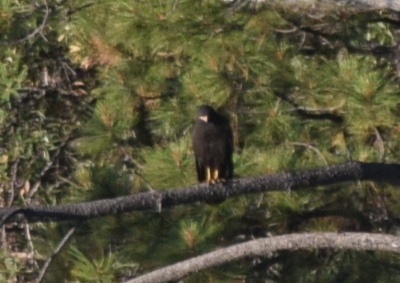 Common Black Hawk
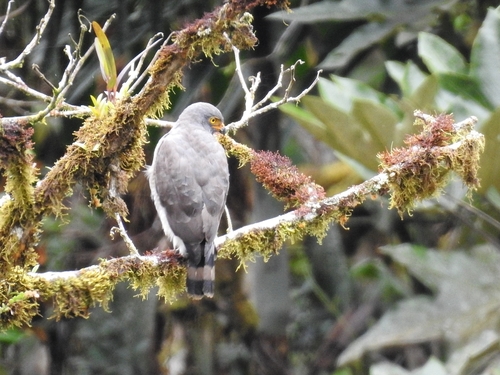 Roadside Hawk
In breve
Il segno distintivo più affidabile tra il Common Black Hawk e il Roadside Hawk è la dimensione e la struttura complessiva: il Common Black Hawk è molto più grande e massiccio, con ali larghe e una coda corta che mostra una singola banda bianca audace, mentre il Roadside Hawk è notevolmente più piccolo, snello e ha una coda più lunga con più bande strette. I Common Black Hawk immaturi sono maculati sotto e hanno diverse bande sulla coda, ma appaiono comunque più grandi e robusti di qualsiasi Roadside Hawk. In volo, le ali corte e arrotondate del Roadside Hawk e la lunga coda a bande contrastano con le ali larghe e la coda corta del Black Hawk. In posato, il Roadside Hawk mostra spesso ruggine sulle ali e un modello di parti inferiori più finemente barrato, mentre il Black Hawk è uniformemente scuro da adulto.
Consigli di identificazione
- La dimensione è il primo controllo: Se l'uccello appare grande, massiccio e pesante, è probabile che sia un Common Black Hawk; se è piccolo, snello e agile, è probabilmente un Roadside Hawk. Questo funziona a tutte le età.
- Il modello della coda è cruciale: L'adulto Common Black Hawk ha una coda corta con una singola banda bianca larga e una punta bianca; il Roadside Hawk (tutte le età) mostra una coda più lunga con 4–5 bande grigie strette. Il Black Hawk immaturo può mostrare diverse bande sulla coda, ma queste sono più larghe e meno numerose rispetto a quelle del Roadside Hawk.
- Forma dell'ala in volo: Il Common Black Hawk ha ali molto larghe; le ali del Roadside Hawk sono corte e arrotondate, dando un profilo di volo diverso.
- Colore del piumaggio: L'adulto Common Black Hawk è quasi uniformemente nero o grigio scuro, mentre il Roadside Hawk è marrone o grigio sopra con parti inferiori barrate. Il Black Hawk immaturo è marrone sopra con parti inferiori maculate e striate; il Roadside Hawk è sempre più finemente barrato sotto.
- Ruggine sulle ali: Il Roadside Hawk mostra spesso un tocco di ruggine sulle ali, specialmente in volo, che non appare mai sul Black Hawk.
- Colore del becco e del cere: Il Black Hawk ha un becco nero con cere e zampe gialle; il Roadside Hawk ha un becco relativamente grande e occhi gialli o bianchi.
- Postura in posato: Il Black Hawk appare massiccio e squadrato quando è in posato, con una coda corta; il Roadside Hawk è snello, eretto e spesso si posa in luoghi esposti.
- Contesto dell'habitat: Il Black Hawk è solitamente vicino all'acqua (fiumi, corsi d'acqua, mangrovie); il Roadside Hawk è comune lungo le strade, in campagna aperta e ai margini delle foreste.
- Vocalizzazione: Un richiamo acuto e stridulo è diagnostico per il Roadside Hawk; il Black Hawk non è noto per essere vocale.
- Frequenza/abbondanza: Il Roadside Hawk è spesso il rapace più comune nel suo areale; il Black Hawk è meno frequentemente incontrato.
- Confusione immatura: Se vedi un rapace maculato, striato e marrone con una coda a bande, controlla la dimensione e la struttura: se è grande e robusto, è un Black Hawk immaturo; se è piccolo e snello, è un Roadside Hawk.
- Stile di volo: Il Black Hawk vola su ali larghe e appare pesante; il Roadside Hawk è più leggero e agile, con battiti d'ali rapidi e una lunga coda.
- Modello delle parti inferiori: Il Roadside Hawk mostra sempre barrature marroni e bianche sotto; il Black Hawk (adulto) è di un colore scuro uniforme, e (immaturo) è maculato e striato, non finemente barrato.
- Colore delle zampe: Entrambi possono mostrare zampe gialle, quindi questo non è un forte separatore.
- Differenze sessuali: Entrambe le specie sono simili tra i sessi; la differenza di dimensione nel Roadside Hawk (femmina 20% più grande) non è solitamente utile sul campo.
Taglia
Il Common Black Hawk è quasi tre volte più pesante del Roadside Hawk (996 g contro 250–300 g) e significativamente più lungo (43–53 cm contro 31–41 cm). Sul campo, questo si traduce in un uccello molto più massiccio e imponente per il Black Hawk, con ali larghe e una coda compatta e quadrata. Il Roadside Hawk è piccolo e snello, con una coda proporzionalmente lunga e ali corte e arrotondate, che gli conferiscono un aspetto più leggero e agile. Anche i Black Hawk immaturi sono molto più grandi di qualsiasi Roadside Hawk.
Piumaggio
- Immaturi/Giovanili: I Common Black Hawk immaturi sono marrone scuro sopra con pesanti macchie e striature sotto, e le loro code hanno diverse bande nere e bianche. Questo può superficialmente assomigliare al Roadside Hawk, che mostra anche parti inferiori barrate e una coda a bande, ma il Black Hawk è sempre molto più grande e massiccio, e le sue bande sulla coda sono più larghe e meno numerose (adulti: una singola banda bianca larga; immaturi: diverse, ma comunque meno delle 4–5 bande strette del Roadside Hawk). Gli immaturi del Roadside Hawk non sono descritti in dettaglio qui, ma il modello adulto (marrone o grigio sopra, barrato marrone e bianco sotto, 4–5 bande grigie strette sulla coda) è simile tra le età.
- Adulti: L'adulto Common Black Hawk è quasi interamente nero o grigio scuro, con una coda nera corta che presenta una singola banda bianca larga e una punta bianca. Gli adulti del Roadside Hawk sono marroni o grigi sopra, con barrature marroni e bianche sotto, e una coda con 4–5 bande grigie strette. Il Roadside Hawk mostra spesso ruggine sulle ali, specialmente in volo, che non appare mai sul Black Hawk. Il becco e il cere sono gialli nel Black Hawk; il Roadside Hawk ha un becco relativamente grande e occhi gialli o bianchi.
Comportamento
Il Common Black Hawk è più probabile da vedere planare su ali larghe o posato vicino all'acqua, apparendo spesso lento e pesante in volo. Il Roadside Hawk è molto più attivo e vocale, frequentemente posato su fili o rami esposti lungo le strade, e spesso plana ma non sospende. Il suo volo è più leggero e agile, con battiti d'ali rapidi e superficiali e una lunga coda utilizzata per manovrare.
Habitat
Il Roadside Hawk è spesso il rapace più comune nel suo areale, specialmente in aree aperte, margini e lungo le strade, dove si posa in modo evidente. Il Common Black Hawk è meno comune e più legato all'acqua, spesso trovato vicino a fiumi, corsi d'acqua o mangrovie. Se vedi un piccolo falco posato lungo una strada o in campagna aperta, è molto più probabile che sia un Roadside Hawk; un grande rapace scuro vicino all'acqua è più probabile che sia un Common Black Hawk.
Voce
Il Roadside Hawk è molto vocale, con un fischio acuto e penetrante che viene spesso udito prima che l'uccello venga visto. Il Common Black Hawk non è descritto come vocale in queste note, quindi la voce è un forte indizio: un richiamo forte e stridulo indica il Roadside Hawk.
Common Black Hawk · Roadside Hawk · I miei uccelli difficili