

Chipping Sparrow vs Field Sparrow
Spizella passerina contro Spizella pusilla
Fai un quiz con Chipping Sparrow e Field Sparrow
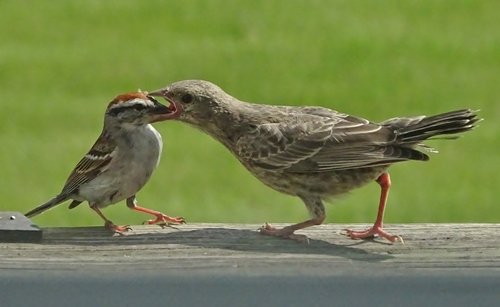 Chipping Sparrow
 Field Sparrow
In breve
Il segno distintivo più affidabile per separare Chipping Sparrow e Field Sparrow è il modello facciale: Chipping Sparrow in abito nuziale mostra un supercilio bianco nitido e una linea oculare nera, mentre Field Sparrow ha sempre un volto grigio semplice con un anello oculare bianco audace e un becco rosa. I Chipping Sparrow juvenili sono pesantemente striati sotto, a differenza dei Field Sparrow, che non sono mai fortemente striati sotto. In abito non nuziale, il volto di Chipping Sparrow diventa meno distintivo, ma la linea oculare scura persiste, mentre il volto di Field Sparrow rimane semplice e aperto. Il colore del becco è un forte indizio: il becco di Field Sparrow è sempre rosa, mentre quello di Chipping Sparrow è scuro. Entrambi sono piccoli, snelli passeri, ma sottili differenze nella struttura e nella forma della coda possono aiutare in buone viste.
Consigli di identificazione
- Juvenile plumage: I Chipping Sparrow juvenili sono pesantemente striati sotto, specialmente sul petto e sui fianchi; i Field Sparrow non mostrano mai forti striature ventrali a nessuna età. Questo è il miglior segno per separare gli immaturi.
- Facial pattern (breeding Chipping Sparrow): Cerca un supercilio bianco nitido e una linea oculare nera netta attraverso l'occhio su Chipping Sparrow, con un cappello rufous brillante. Field Sparrow manca di questi contrasti netti, mostrando un volto grigio semplice.
- Eye-ring: Field Sparrow ha sempre un anello oculare bianco audace e completo, che fa sembrare l'occhio grande e aperto. Chipping Sparrow manca di un forte anello oculare in tutti gli abiti.
- Bill color: Il becco di Field Sparrow è sempre rosa, sia la mandibola superiore che quella inferiore. Il becco di Chipping Sparrow è scuro (nerastro o grigio), specialmente la mandibola superiore.
- Crown color and borders: La corona rufous di Chipping Sparrow in abito nuziale è nettamente bordata dal supercilio bianco e dalla linea oculare nera. La corona di Field Sparrow è arrugginita ma non così nettamente definita, fondendosi nel volto grigio.
- Nonbreeding/immature facial marks: Chipping Sparrow in abito non nuziale o giovanile ha un cappello marrone, un sopracciglio scuro e una linea oculare scura, ma mostra comunque un certo contrasto facciale. Il volto di Field Sparrow rimane grigio semplice con un anello oculare bianco e un segno arrugginito dietro l'occhio.
- Underpart color: Chipping Sparrow è grigio chiaro sotto in tutti gli abiti. Field Sparrow ha un petto color crema e un ventre bianco, a volte dando un aspetto più caldo.
- Wing bars: Field Sparrow mostra due barre alari bianche pallide, che possono essere visibili a riposo. Chipping Sparrow può mostrare barre alari deboli ma sono meno prominenti.
- Tail shape: La coda di Field Sparrow è leggermente più lunga e più profondamente incisa (forked) rispetto a quella di Chipping Sparrow, che è più squadrata. Questo può essere sottile e difficile da giudicare a meno che la coda non sia aperta.
- Habitat context: Nei campi aperti e cespugliosi e nelle praterie, Field Sparrow è più probabile; nei parchi, giardini o bordi boschivi, Chipping Sparrow è più probabile.
- Behavior: Chipping Sparrow è spesso più fiducioso e più probabile da vedere in gruppi, specialmente in inverno. Field Sparrow tende ad essere più solitario o in piccoli gruppi.
- Color morphs: Field Sparrow si presenta in morfologie grigie e rufous, ma entrambe mantengono l'anello oculare bianco e il becco rosa. Chipping Sparrow non mostra tale variazione.
- Sex differences: Entrambe le specie sono simili tra i sessi; la differenza di dimensione è trascurabile sul campo.
- Flight views: Se vedi un piccolo passero con un volto semplice, anello oculare bianco e becco rosa in volo, sospetta Field Sparrow. Se vedi un giovanile striato con una linea oculare scura, pensa a Chipping Sparrow.
- Pitfalls: Chipping Sparrow non in abito nuziale può sembrare sbiadito e meno distintivo, ma il becco rimane scuro e il volto non mostra mai un forte anello oculare bianco o un becco rosa. Field Sparrow non mostra mai una linea oculare nera netta o un supercilio bianco nitido.
Taglia
Entrambe le specie sono molto simili in dimensioni e massa, con Chipping Sparrow che misura 12–15 cm (4.7–5.9 in) di lunghezza e Field Sparrow circa 14 cm (6 in). I loro pesi medi si sovrappongono (Chipping: 11–17 g; Field: ~12.5 g). Queste differenze sono troppo lievi per essere utili sul campo. La struttura è più utile: Field Sparrow appare spesso leggermente più lungo di coda e con una testa più rotonda, mentre Chipping Sparrow è un po' più compatto.
Piumaggio
I Chipping Sparrow juvenili sono distintamente striati sotto, una caratteristica mai mostrata da Field Sparrow a nessuna età. In tutti gli abiti, Field Sparrow ha un volto grigio semplice con un anello oculare bianco e un becco rosa, e una corona arrugginita che manca di forti bordi. Chipping Sparrow in abito nuziale ha un cappello rufous brillante, un supercilio bianco nitido e una linea oculare nera netta; in abito non nuziale, il cappello diventa marrone e le marcature facciali si sfumano, ma la linea oculare scura rimane. Le parti superiori di Field Sparrow sono marroni con striature nere e color crema, e mostra due barre alari pallide e una coda forked. Chipping Sparrow è più grigio sotto e sopra, con meno contrasto tra schiena e volto, e manca dell'anello oculare bianco forte e del becco rosa di Field Sparrow. Entrambi hanno corone arrugginite, ma solo quella di Chipping Sparrow è nettamente definita in abito nuziale.
Comportamento
Entrambe le specie cercano cibo a terra o basse nella vegetazione per semi e insetti. Chipping Sparrow è spesso più confidente intorno alle persone e può essere visto in parchi e giardini, specialmente dove i Passeri domestici sono assenti. In inverno, i Chipping Sparrow sono gregari e possono unirsi a gruppi misti. Field Sparrow è più probabile trovarlo in campi cespugliosi, aperti e praterie, spesso lontano dagli insediamenti umani. Nessuna delle due specie mostra forti differenze comportamentali utili per una rapida separazione sul campo.
Habitat
Chipping Sparrow è altamente adattabile, trovato in boschi, terreni agricoli, parchi, giardini e persino foreste di conifere a ovest. È comune in ambienti suburbani e urbani, specialmente in assenza di Passeri domestici. Field Sparrow preferisce campi cespugliosi, praterie e aree cespugliose, evitando solitamente foreste dense e aree urbane. Se incontri uno Spizella in un campo erboso con arbusti sparsi, è più probabile che sia Field Sparrow; in un parco cittadino o al bordo di un bosco, è più probabile che sia Chipping Sparrow.
Voce
Il canto di Chipping Sparrow è un trill secco e meccanico, e il suo richiamo in volo è un chip acuto e penetrante, spesso udito di notte durante la migrazione. Il canto di Field Sparrow non è descritto nelle note fornite, quindi la voce non è un separatore affidabile qui. Entrambe le specie hanno richiami acuti, ma solo il richiamo notturno in volo di Chipping Sparrow è specificamente menzionato.