

Chipping Sparrow vs Black-chinned Sparrow
Spizella passerina contro Spizella atrogularis
Fai un quiz con Chipping Sparrow e Black-chinned Sparrow
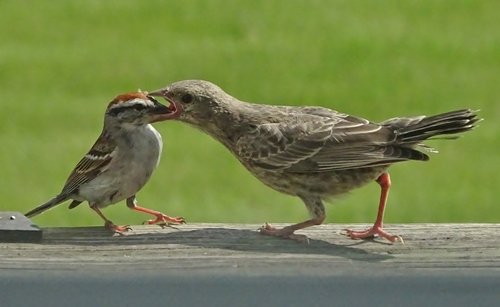 Chipping Sparrow
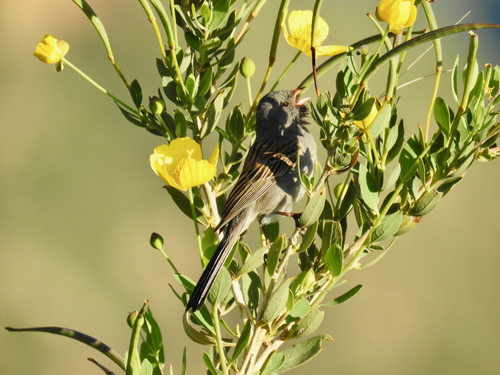 Black-chinned Sparrow
In breve
Il segno distintivo più affidabile per separare il Chipping Sparrow dal Black-chinned Sparrow è il modello della testa e del viso negli adulti: i Chipping Sparrows in riproduzione mostrano un luminoso cappuccio rufoso, un sopracciglio bianco nitido e una linea nera netta attraverso l'occhio, mentre i Black-chinned Sparrows (soprattutto i maschi in riproduzione) hanno una testa e un corpo grigi con un distintivo mento e gola neri, privi del cappuccio rufoso. Gli uccelli giovanili e non in riproduzione sono più complicati, ma i giovani Chipping Sparrow sono fortemente striati sotto, mentre i giovani Black-chinned Sparrow hanno solo striature deboli e un lavaggio bruno. Anche la struttura aiuta: il Black-chinned Sparrow è più snello, con una coda proporzionalmente più lunga e incisa e un becco rosa. Entrambe le specie possono sembrare simili in piumaggi opachi, ma un'attenta attenzione a questi segni, specialmente il modello del viso e della parte inferiore, li separerà nella maggior parte delle situazioni.
Consigli di identificazione
- Juvenile underpart streaking: I giovani Chipping Sparrow sono fortemente striati sotto, mentre i giovani Black-chinned Sparrow mostrano solo striature deboli e indistinte. Se vedi un giovane sparrow fortemente striato, è molto più probabile che sia un Chipping.
- Head and face pattern (adults): Il Chipping Sparrow in riproduzione ha una corona rufosa brillante, un sopracciglio bianco nitido e una linea nera netta attraverso l'occhio. Il Black-chinned Sparrow (soprattutto i maschi in riproduzione) ha una testa e un corpo grigi con un mento e una gola neri, privi di qualsiasi cappuccio rufoso o supercilium forte.
- Nonbreeding/immature head pattern: Il Chipping Sparrow in piumaggio non riproduttivo ha un cappuccio bruno, un sopracciglio scuro e una linea oculare scura, ma mostra comunque un certo contrasto. Il Black-chinned Sparrow in piumaggio base (entrambi i sessi) è complessivamente grigio in testa e corpo, con un viso meno contrastante; le femmine non hanno affatto nero sul mento.
- Back and upperparts: Entrambe le specie hanno schiene marrone-rossicce striate di nero, ma il Black-chinned Sparrow ha un grigio più esteso sulla testa e sul corpo, e la sua schiena può apparire più striata e contrastante con il dorso grigio.
- Tail shape and length: Il Black-chinned Sparrow ha una coda più lunga e più incisa rispetto al Chipping Sparrow. In volo o quando è posato con la coda aperta, questo può essere un indizio utile.
- Bill color: Il Black-chinned Sparrow ha un becco piccolo, robusto e rosa; il becco del Chipping Sparrow è meno distintamente colorato ma non così ovviamente rosa. Questo è sottile e meglio utilizzato a distanza ravvicinata.
- Body structure: Il Black-chinned Sparrow è più snello, con una coda più lunga e una testa più rotonda, spesso apparendo più delicato rispetto al Chipping Sparrow compatto.
- Underparts color: L'adulto Chipping Sparrow è grigio pulito sotto; il Black-chinned Sparrow è anch'esso grigio sotto, ma il grigio complessivo si estende alla testa e al corpo, dando un aspetto più uniforme, specialmente nelle femmine e negli uccelli non in riproduzione.
- Presence of black chin/throat: Solo i maschi del Black-chinned Sparrow in piumaggio riproduttivo mostrano un mento e una gola neri. Il Chipping Sparrow non mostra mai nero sul mento o sulla gola in alcun piumaggio.
- Supercilium (eyebrow): Il supercilium bianco del Chipping Sparrow è prominente in piumaggio riproduttivo, mentre il Black-chinned Sparrow non ha un supercilium forte in nessun piumaggio.
- Wingbars: Il giovane Black-chinned Sparrow mostra due deboli barre alari; i giovani Chipping Sparrow non hanno barre alari evidenti, ma questo è sottile e spesso difficile da vedere.
- Habitat context: Il Chipping Sparrow è comune in aree aperte, erbose o simili a parchi, spesso vicino alle persone. Il Black-chinned Sparrow si trova più spesso in habitat aridi, cespugliosi o di chaparral nel sud-ovest. Usa l'habitat come prova di supporto, non come separatore primario.
- Flocking behavior: I Chipping Sparrow sono più propensi a essere visti in gruppi, specialmente in inverno; i Black-chinned Sparrow sono solitamente solitari o in coppie.
- Flight style: La coda più lunga del Black-chinned Sparrow può essere evidente in volo, dando un aspetto più allungato e fluttuante rispetto al Chipping Sparrow più compatto.
- Pitfalls: In luce opaca o in piumaggio non riproduttivo, entrambe le specie possono apparire semplici e grigiastre. Concentrati sulla presenza o assenza di un cappuccio rufoso, sull'estensione e sulla nitidezza del modello del viso e sulla presenza o assenza di un mento/gola neri per la separazione più affidabile.
Taglia
Entrambe le specie sono simili in lunghezza (Chipping Sparrow: 12–15 cm; Black-chinned Sparrow: 13–15 cm) e peso (Chipping Sparrow: 11–17 g; Black-chinned Sparrow: 9–14.8 g) [wikipedia][avonet]. Il Chipping Sparrow ha una apertura alare leggermente più ampia (21 cm contro 19–20 cm per il Black-chinned). Sul campo, il Black-chinned Sparrow appare spesso più snello e allungato, con una coda più lunga e incisa, mentre il Chipping Sparrow è un po' più compatto. Queste differenze sono sottili e meglio utilizzate in combinazione con piumaggio e struttura.
Piumaggio
- Juvenile/immature birds: I giovani Chipping Sparrow sono fortemente striati sotto, con un cappuccio bruno e una linea oculare scura; le striature sono forti ed estese. I giovani Black-chinned Sparrow hanno solo striature indistinte sulla parte inferiore, un lavaggio bruno sulla testa e sulla parte inferiore, e due deboli barre alari; le loro scapole esterne sono fulve. Entrambi mancano del modello nitido della testa degli adulti, ma il Chipping Sparrow è sempre più ovviamente striato sotto.
- Adult breeding (alternate) plumage: Il Chipping Sparrow mostra una corona rufosa brillante, un supercilium bianco e una linea oculare nera netta; le parti inferiori sono grigie semplici. I maschi del Black-chinned Sparrow hanno una testa e un corpo grigi, con una schiena marrone-rossiccia striata di nero, e un distintivo mento, gola e fronte neri; le femmine mancano della maggior parte o di tutto il nero, ma mostrano comunque la testa e il corpo grigi complessivi. Il Chipping Sparrow non mostra mai un mento o una gola neri.
- Adult nonbreeding (basic) plumage: Il Chipping Sparrow diventa più opaco, con un cappuccio bruno e marcature facciali meno distinte, ma mostra comunque una linea oculare scura e parti inferiori grigie. Il Black-chinned Sparrow perde la maggior parte del nero sul mento (soprattutto le femmine), ma la testa e il corpo grigi complessivi, con una schiena marrone-rossiccia striata, rimangono distintivi. Entrambi possono sembrare simili in scarsa luce, ma il Chipping Sparrow mantiene un modello del viso più contrastante e manca dell'aspetto completamente grigio del Black-chinned.
Comportamento
I Chipping Sparrow sono spesso visti cercare cibo a terra o in bassa vegetazione, a volte in gruppi, specialmente in inverno. Sono relativamente domestici e possono essere trovati in parchi, giardini e boschi aperti. I Black-chinned Sparrow sono più propensi a essere visti cantare da posatoi esposti in habitat cespugliosi o aridi, spesso soli o in coppie. La loro coda più lunga e la struttura più snella possono essere evidenti quando si muovono o volano. Entrambe le specie possono arrampicarsi nella vegetazione bassa, ma il Chipping Sparrow è più gregario, specialmente al di fuori della stagione di riproduzione.
Habitat
Il Chipping Sparrow è diffuso e comune in gran parte del Nord America, trovato in una vasta gamma di habitat aperti tra cui boschi, terreni agricoli, parchi e giardini, specialmente vicino all'abitazione umana. Il Black-chinned Sparrow è più ristretto al sud-ovest degli Stati Uniti e al Messico settentrionale/centrale, preferendo pendii aridi e cespugliosi e chaparral. L'overlap è limitato, ma nel sud-ovest, entrambi possono verificarsi in aree aperte e cespugliose; il contesto può aiutare, ma non è diagnostico da solo.
Voce
Il Chipping Sparrow emette un trill secco e meccanico come canto, e un richiamo di volo acuto e penetrante, specialmente di notte durante la migrazione. Il canto e i richiami del Black-chinned Sparrow non sono descritti nelle note fornite, quindi la vocalizzazione non è un separatore affidabile qui.
Chipping Sparrow · Black-chinned Sparrow · I miei uccelli difficili