

Chestnut-tailed Starling vs Spot-winged Grosbeak
Sturnia malabarica contro Mycerobas melanozanthos
Fai un quiz con Chestnut-tailed Starling e Spot-winged Grosbeak
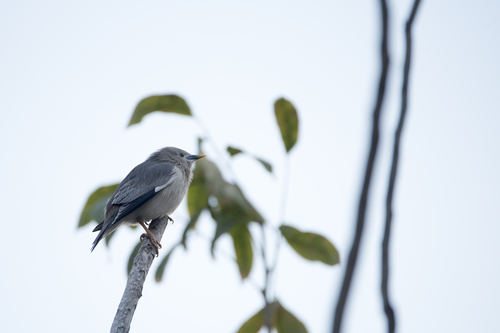 Chestnut-tailed Starling
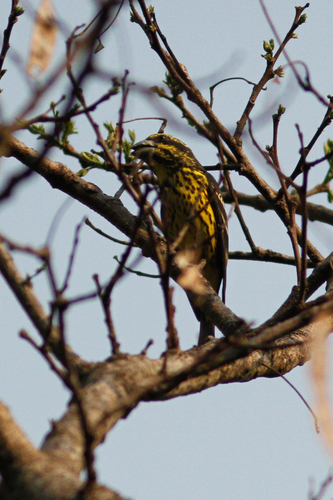 Spot-winged Grosbeak
In breve
Il segno distintivo più affidabile tra Chestnut-tailed Starling e Spot-winged Grosbeak è la struttura generale e la forma del becco: il starling è snodato con un becco lungo e appuntito, mentre il grosbeak è più massiccio con un becco conico e massiccio. I Chestnut-tailed Starlings mostrano parti superiori grigie e una testa grigia chiara striata, con parti inferiori rugginose o bianche a seconda della sottospecie e dell'età, e una punta di coda castagna distintiva negli adulti. I Spot-winged Grosbeaks, al contrario, sono fringuelli robusti con un collo spesso e un becco pesante, e il loro piumaggio non è descritto in dettaglio qui ma manca dell'aspetto elegante del starling e della coda castagna. I giovani starling hanno parti inferiori chiare e solo punte castagne alla coda, il che può confondere, ma la struttura del grosbeak rimane distintiva. In volo o posati, concentrati sulla dimensione del becco e sulla forma della testa per una separazione rapida.
Consigli di identificazione
- Forma e dimensione del becco: Chestnut-tailed Starling ha un becco lungo, snodato e appuntito con una punta gialla e una base blu chiara; Spot-winged Grosbeak ha un becco massiccio, conico e simile a un fringuello che è molto più profondo e tozzo. Questo è il modo più veloce per separarli a qualsiasi età o stagione.
- Motivo della testa: Gli adulti starling hanno una testa grigia chiara con striature bianche (soprattutto sulla corona e sul collare), che non è mai mostrata dal grosbeak. I giovani starling hanno una testa più chiara ma mancano ancora dell'aspetto pesante e massiccio del grosbeak.
- Colore della coda: Gli adulti Chestnut-tailed Starlings hanno una coda castagna distintiva, particolarmente evidente quando sono posati o in volo. I giovani hanno solo punte castagne alle piume della coda, che possono essere sottili, ma il grosbeak non mostra mai questa caratteristica.
- Parti inferiori: Gli starling (adulti) hanno parti inferiori rugginose o con sfumature rugginose (a seconda della sottospecie), mentre i giovani sono bianchi sotto. Spot-winged Grosbeak manca di questo lavaggio rugginoso o castano ed è generalmente più uniforme sotto.
- Forma del corpo e postura: Gli starling sono snelli, con una lunga coda e postura eretta; i grosbeaks sono massicci, con collo spesso e corpo pesante, con una coda più corta e squadrata e una postura più curvata.
- Comportamento e aggregazione: Gli starling si muovono spesso in gruppi stretti e agili, specialmente in volo, e sono altamente sociali. I grosbeaks sono meno gregari, di solito in coppie o piccoli gruppi, e si muovono in modo più deliberato.
- Contesto dell'habitat: Vedere l'uccello in boschi aperti o vicino a coltivazioni a basse o medie altitudini indica Chestnut-tailed Starling; in foreste montane o ad altitudini più elevate, specialmente nell'Himalaya o nelle Highlands del Sud-est asiatico, è più probabile incontrare Spot-winged Grosbeak.
- Colore dell'iride: Chestnut-tailed Starling ha iridi bianche, che possono essere un segno sottile ma utile a distanza ravvicinata. Il colore dell'iride del grosbeak non è specificato qui.
- Sessi: Entrambe le specie hanno sessi simili nel piumaggio, quindi il sesso non è un separatore affidabile.
- Confusione giovanile: I giovani starling possono essere più chiari sotto e mancare della coda castagna completa, ma mostrano comunque un becco snodato e una testa chiara; i giovani grosbeaks rimangono con becco spesso e massiccio.
- Silhouette in volo: In volo, gli starling appaiono eleganti e appuntiti con lunghe code, mentre i grosbeaks sembrano avere ali larghe, code corte e corpi pesanti.
- Colore del becco: Il becco dello starling è giallo con una base blu chiara, una caratteristica sottile ma distintiva se vista bene. Il becco del grosbeak non è descritto in dettaglio ma è probabilmente chiaro e massiccio.
- Motivo della parte superiore dell'ala: Non sono descritti segni distintivi sulla parte superiore dell'ala per nessuna delle due specie, quindi fai affidamento sulla struttura e sul colore della coda in volo.
- Voce: Non è descritta qui; non fare affidamento sulle vocalizzazioni per la separazione con le informazioni fornite.
- Stagionalità: Gli starling possono essere visitatori invernali in alcune regioni, ma entrambe le specie possono sovrapporsi nell'areale; usa la struttura e il piumaggio per la separazione.
Taglia
Spot-winged Grosbeak è notevolmente più pesante (62g) rispetto a Chestnut-tailed Starling (40g) [wikidata], e appare più massiccio e robusto sul campo. Il starling è più snodato ed allungato, con una coda proporzionalmente più lunga e un corpo più snello. La costruzione tozza e il becco massiccio del grosbeak gli conferiscono un aspetto molto più potente, anche se la lunghezza complessiva è simile.
Piumaggio
I giovani Chestnut-tailed Starlings hanno parti inferiori bianche e solo punte castagne alle piume della coda, mancando del completo lavaggio rugginoso o castano degli adulti. Gli adulti (nominate e blythii) mostrano parti superiori grigie, una testa grigia chiara con striature bianche (soprattutto sulla corona e sul collare), e parti inferiori e sottocoda rugginose, con una coda castagna distintiva. La sottospecie nemoricola ha parti inferiori più chiare, bianche con sfumature rugginose, specialmente sui fianchi e sul crissum. Entrambi i sessi sono simili. Il piumaggio di Spot-winged Grosbeak non è descritto in dettaglio qui, ma manca della testa grigia del starling, della coda castagna e delle parti inferiori rugginose. Il grosbeak non mostra le striature chiare sulla testa o la punta di coda castagna a nessuna età. In tutte le età, il piumaggio del grosbeak è generalmente più uniforme e manca del contrasto del starling tra testa, corpo e coda.
Comportamento
I Chestnut-tailed Starlings sono spesso visti in gruppi stretti e sincronizzati, volando rapidamente e cambiando direzione insieme. Sono sociali e attivi, spesso cercando cibo in gruppi in boschi aperti o aree coltivate. I Spot-winged Grosbeaks, come fringuelli, tendono a muoversi in gruppi più piccoli o coppie e sono meno propensi a mostrare lo stesso comportamento di aggregazione stretta. I loro movimenti sono più deliberati e meno acrobatici rispetto agli starling.
Habitat
Chestnut-tailed Starling si trova in habitat boschivi, inclusi boschi aperti e aree con coltivazioni, principalmente a basse o medie altitudini in India e nel Sud-est asiatico. Spot-winged Grosbeak preferisce foreste secche subtropicali o tropicali e foreste montane umide, tipicamente a medie o alte altitudini. Pertanto, incontrare un fringuello massiccio e con becco pesante in una foresta montana è più probabile che sia un Spot-winged Grosbeak, mentre un uccello snodato e con testa chiara in un bosco aperto o vicino a coltivazioni è più probabile che sia un Chestnut-tailed Starling.
Chestnut-tailed Starling · Spot-winged Grosbeak · I miei uccelli difficili