

Cerulean Warbler vs Northern Parula
Setophaga cerulea contro Setophaga americana
Fai un quiz con Cerulean Warbler e Northern Parula
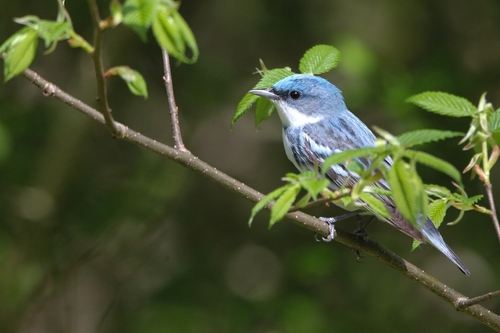 Cerulean Warbler
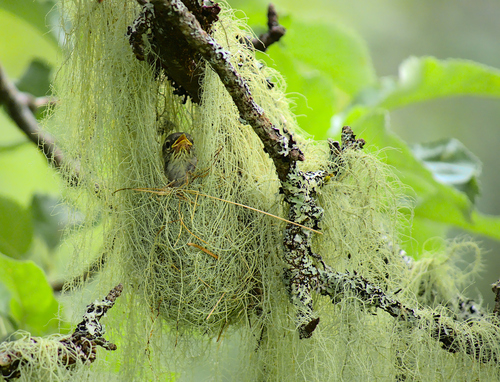 Northern Parula
In breve
Il segno distintivo più affidabile per separare il Cerulean Warbler dal Northern Parula è la colorazione generale e il motivo delle parti inferiori: i maschi adulti di Cerulean sono bianchi brillanti sotto con una 'collana' blu scuro o nera e strisce bold sui fianchi, mentre i maschi di Northern Parula mostrano una gola e un petto gialli con una banda petto bluastro e ruggine interrotta. Le femmine e gli immaturi di entrambe le specie sono più difficili da distinguere, ma le femmine/immaturi di Cerulean Warbler sono giallastre sotto con un supercilium pallido distintivo e mancano di qualsiasi banda petto, mentre le femmine/immaturi di Northern Parula sono giallastre sulla gola e sul petto, sfumando a bianco sull'addome, e possono mostrare una banda petto debole o assente ma hanno sempre dei crescenti bianchi attorno agli occhi. Entrambi hanno due barre alari bianche, ma quelle di Cerulean sono spesso più audaci. In volo o posati, il Cerulean appare con ali più lunghe e più snodato, mentre il Northern Parula è compatto e con coda corta. L'habitat può aiutare: il Cerulean preferisce la chioma alta nelle foreste di latifoglie mature, mentre il Parula è spesso più in basso in boschi umidi con muschio spagnolo o licheni.
Consigli di identificazione
- Colore e motivo delle parti inferiori (adulti): Il maschio Cerulean è bianco sotto con una collana blu scuro o nera e audaci strisce nere sui fianchi; il maschio Parula è giallo sulla gola e sul petto con una banda petto blu e ruggine interrotta, addome bianco e nessuna striscia sui fianchi.
- Banda petto: La 'collana' del Cerulean è una banda unica e continua attraverso la parte superiore del petto (solo maschi); la banda petto del Parula è interrotta e multicolore (blu e ruggine), e può essere debole o assente nelle femmine/immaturi.
- Striature sui fianchi: Solo il Cerulean (soprattutto i maschi adulti) mostra forti strisce nere sui fianchi; il Parula non lo fa mai.
- Supercilium vs. crescenti oculari: Le femmine e gli immaturi di Cerulean hanno un supercilium pallido audace (sopracciglio), mentre il Parula di tutte le età mostra archi bianchi sopra e sotto l'occhio (crescenti oculari), non una striscia continua.
- Colore della schiena: I maschi di Cerulean sono blu cielo sopra, femmine/immaturi blu-verde; il Parula è blu-grigio sopra con una macchia verdastra nel mezzo della schiena (tutte le età).
- Barre alari: Entrambi hanno due barre alari bianche, ma quelle di Cerulean sono spesso più luminose e definite, soprattutto negli adulti.
- Macchie sulla coda: Entrambe le specie hanno macchie bianche sulla coda, ma questo non è un forte separatore tra di loro.
- Colore del becco: Il maschio adulto di Cerulean ha un becco nero; quello della femmina è grigio scuro a bruno; il becco del Parula non è descritto come diagnostico.
- Colore delle zampe: Gli adulti di Cerulean hanno zampe nere; i giovani hanno zampe marrone scuro. Non è un segno distintivo forte a meno che non venga visto molto bene.
- Forma del corpo: Il Cerulean ha ali più lunghe e più snodato, con una coda proporzionalmente più lunga; il Parula è compatto, con coda corta e arrotondata.
- Altezza di foraggiamento: Il Cerulean è quasi sempre in alto nella chioma; il Parula è più spesso più in basso o a livello medio, soprattutto dove è presente muschio o licheni.
- Habitat: Il Cerulean preferisce foreste di latifoglie mature e continue; il Parula si trova in boschi umidi con muschio spagnolo o licheni, spesso vicino all'acqua.
- Comportamento: Il Cerulean si muove in modo più deliberato ed è meno acrobatico; il Parula è attivo, spesso appeso o in volo stazionario.
- Voce: Il canto del Cerulean è una serie frizzante e accelerante; il canto del Parula (non descritto qui) è diverso, ma quello del Cerulean è più probabile che venga udito in alto nella chioma.
- Cambiamenti stagionali: Dopo la riproduzione, il Parula muta in una versione più opaca del suo piumaggio, ma il motivo di base rimane; le differenze di piumaggio del Cerulean sono più tra i sessi e l'età che tra le stagioni.
Taglia
Il Cerulean Warbler è leggermente più grande e con ali più lunghe: circa 11 cm di lunghezza con un'apertura alare di 20 cm e un peso di 8–10 g. Il Northern Parula è un po' più piccolo e più compatto, lungo 10.8–12.4 cm, con un'apertura alare di 16–18 cm e un peso di 5–11 g. Sul campo, il Cerulean può apparire più snodato e con coda più lunga, mentre il Parula è più arrotondato e con coda tozza. Entrambi sono tra i più piccoli dei warbler, ma le proporzioni del Cerulean sono più allungate.
Piumaggio
Per tutte le età, entrambe le specie hanno due barre alari bianche, ma quelle del Cerulean sono tipicamente più luminose e più nettamente definite. I Cerulean Warblers giovani e immaturi assomigliano alle femmine adulte: blu-verde sopra, giallastro sotto, con un supercilium pallido audace e senza striature o banda petto. Gli immaturi di Northern Parula sono anche più opachi ma mantengono una gola e un petto gialli, sfumando a un addome bianco, e mostrano crescenti oculari bianchi piuttosto che un supercilium. Il maschio adulto di Cerulean è blu cielo sopra con una collana nerastra e forti strisce nere sui fianchi, bianco sotto. Il maschio adulto di Parula è blu-grigio sopra con una macchia verdastra sulla schiena, gola e petto gialli, addome bianco e una banda petto blu e ruggine interrotta. La femmina di Cerulean è blu-verde sopra, giallastra sotto, con un supercilium pallido e senza banda petto; la femmina di Parula è simile ma più opaca, con gola e petto gialli, sfumando a bianco, e crescenti oculari bianchi. In tutte le età, il Cerulean manca della macchia verdastra sulla schiena e dei toni rugginosi del Parula, e il Parula non mostra mai le forti striature sui fianchi o la collana del Cerulean.
Comportamento
Il Cerulean Warbler si nutre in alto nella chioma, spesso rimanendo nelle cime degli alberi e muovendosi deliberatamente lungo i rami. Il Northern Parula è più probabile che venga visto più in basso nella foresta, soprattutto in aree con muschio spagnolo o licheni, ed è più attivo e acrobatico, spesso appeso a testa in giù o in volo stazionario per raccogliere insetti. Il Cerulean è più territoriale e meno propenso a unirsi a stormi misti, mentre il Parula si trova frequentemente in gruppi di specie miste.
Habitat
Entrambe le specie nidificano nell'est dell'America del Nord, ma il Cerulean Warbler è fortemente legato a foreste di latifoglie mature con chioma alta e continua, spesso in terreni collinari o montuosi. Il Northern Parula preferisce boschi umidi, soprattutto quelli con abbondante muschio spagnolo o licheni Old Man's Beard, e si trova spesso vicino all'acqua. Il Cerulean è quasi sempre in alto nella chioma, mentre il Parula può essere trovato dai livelli medi ai rami inferiori.
Voce
Il canto del Cerulean Warbler è una serie frizzante e accelerante (zray zray zray zray zeeee), mentre il suo richiamo è un zzee metallico e frizzante. Il canto del Northern Parula non è descritto nelle note, ma non è probabile che venga confuso con il frizzante accelerante del Cerulean. I maschi di Cerulean cantano più frequentemente e le femmine cantano raramente, ma entrambi i sessi possono richiamare. Se senti un canto frizzante e accelerante in alto nella chioma, è più probabile che sia un Cerulean.
Cerulean Warbler · Northern Parula · I miei uccelli difficili