

Central American Pygmy-Owl vs Ferruginous Pygmy-Owl
Glaucidium griseiceps contro Glaucidium brasilianum
Fai un quiz con Central American Pygmy-Owl e Ferruginous Pygmy-Owl
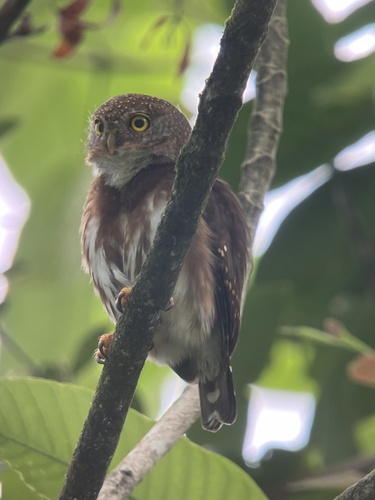 Central American Pygmy-Owl
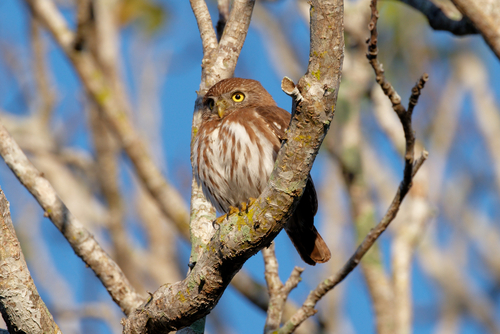 Ferruginous Pygmy-Owl
In breve
Il segno distintivo più affidabile tra Central American Pygmy-Owl e Ferruginous Pygmy-Owl è la colorazione generale e il motivo della testa, specialmente negli adulti: Central American Pygmy-Owl mostra una corona grigio-marrone con macchie color crema a bianche e una schiena marrone ricca, mentre Ferruginous Pygmy-Owl è altamente variabile ma tipicamente ha una corona striata e può essere molto più ruggine nel complesso. I giovani Central American Pygmy-Owl hanno una corona e una nuca grigie uniformi, prive delle macchie e delle striature di Ferruginous Pygmy-Owl. Entrambe le specie hanno 'falsi occhi' sulla nuca, ma il colore di fondo e la prominenza differiscono. Ferruginous Pygmy-Owl è generalmente più pesante e spesso appare più robusto con piedi più grandi. Sul campo, Ferruginous Pygmy-Owl è molto più probabile in habitat aperti o semi-aperti, mentre Central American Pygmy-Owl preferisce le foreste umide.
Consigli di identificazione
- Motivo della testa nei giovani: Se l'uccello ha una corona e una nuca grigie uniformi senza macchie o striature, e 'falsi occhi' scuri, è un giovane Central American Pygmy-Owl. I giovani Ferruginous mostrano sempre alcune striature o macchie sulla corona.
- Marcature della corona (adulti): Central American Pygmy-Owl ha macchie color crema a bianche su una corona grigio-marrone; Ferruginous Pygmy-Owl ha strisce bianche o color crema allungate, non macchie.
- Superciliari: Ferruginous Pygmy-Owl mostra superciliari bianche prominenti sopra il disco facciale, che Central American non ha.
- Colorazione generale: Central American è costantemente marrone ricco sopra, mentre Ferruginous può essere grigio-marrone, ruggine o intermedio. Un individuo ruggine o molto pallido è quasi certamente Ferruginous.
- Motivo della coda: Central American ha una coda marrone con barre chiare; Ferruginous può avere una coda a strisce bianche e nere o una coda ruggine uniforme (nelle forme ruggine).
- Striature sotto: Entrambi sono striati sotto, ma Ferruginous è spesso più pesantemente striato e le striature sono solitamente bianche.
- Copritrici alari: Ferruginous Pygmy-Owl mostra evidenti macchie bianche sulle copritrici alari; quelle di Central American sono meno appariscenti.
- 'Falsi occhi' sulla nuca: Entrambe le specie hanno questi, ma quelli di Central American sono impostati su uno sfondo più scuro e possono apparire meno definiti rispetto a quelli di Ferruginous.
- Struttura: Ferruginous è più robusto con piedi e artigli più grandi, particolarmente evidente quando è posato. Central American è più snello.
- Dimensioni: Ferruginous è più pesante (circa 70 g contro 50–58 g), ma è difficile da giudicare a meno che entrambi non siano visti fianco a fianco.
- Stile di volo: Ferruginous vola spesso con un movimento ondulato, simile a quello di un picchio. Il volo di Central American è meno frequentemente descritto in questo modo.
- Habitat: Nella foresta umida e chiusa, Central American è molto più probabile. In habitat semi-aperti, di confine o più secchi, Ferruginous è il default.
- Contesto geografico: Se ti trovi nel sud-ovest degli Stati Uniti, in Sud America al di fuori di Panama/Colombia, o in campagna aperta, Ferruginous è atteso. Nella foresta pluviale densa dal sud del Messico a Panama, Central American è probabile.
- Vocalizzazione: Se senti un canto che inizia con alcuni hoot distanziati, una pausa, poi una serie rapida, sospetta Central American. Tuttavia, il canto di Ferruginous non è descritto qui, quindi usalo con cautela.
- Sesso/stagione: Entrambi i sessi sono simili, ma le femmine di Ferruginous possono essere più ruggine. Non sono descritte forti differenze di piumaggio stagionali per nessuna delle due specie.
Taglia
Ferruginous Pygmy-Owl è il più pesante dei due, con una massa media adulta di circa 69.65 g [wikidata], rispetto ai maschi di Central American Pygmy-Owl (50.6–58.8 g) e alle femmine (~56 g) [wikipedia]. Entrambe le specie sono simili in lunghezza (Central American: 13–18 cm; Ferruginous: ~15 cm), ma Ferruginous Pygmy-Owl è notevolmente più robusto e ha piedi e artigli sproporzionatamente grandi. Questo aspetto più massiccio può essere un indizio sottile ma utile, specialmente quando è posato.
Piumaggio
- Uccelli giovani/immaturi: I giovani Central American Pygmy-Owl hanno una corona e una nuca grigie uniformi, senza macchie, con 'falsi occhi' scuri sulla nuca. Questo contrasta con Ferruginous Pygmy-Owl, che anche da giovane mostra una corona striata o macchiata e superciliari bianche più prominenti sopra il disco facciale. Se vedi un piccolo gufo con una testa grigia uniforme e senza macchie sulla corona, è probabile che sia Central American.
- Adulti: Gli adulti di Central American Pygmy-Owl hanno una corona grigio-marrone con macchie color crema a bianche, una parte superiore marrone ricca e una coda con barre chiare. Le parti inferiori sono bianche con striature marrone rossiccio. Gli adulti di Ferruginous Pygmy-Owl sono molto più variabili: possono essere grigio-marrone con una coda a strisce bianche e nere o ruggine ricca con una coda ruggine uniforme. La loro corona è striata (non macchiata) e hanno superciliari bianche prominenti. Entrambi hanno 'falsi occhi' sulla nuca, ma quelli di Central American sono impostati su uno sfondo più scuro, mentre quelli di Ferruginous sono più definiti. Ferruginous tende anche a mostrare striature più pesanti sotto e macchie bianche più evidenti sulle copritrici alari.
Comportamento
Ferruginous Pygmy-Owl è spesso visto cacciare durante il giorno, a volte con un volo ondulato, simile a quello di un picchio. È più audace e più probabile che sia attivo in aree aperte. Central American Pygmy-Owl è meno frequentemente visto in aperto e tende a rimanere all'interno o vicino a foreste dense. Entrambe le specie si posano apertamente a volte, ma Ferruginous è più probabile che sia appariscente e cacci in habitat semi-aperti.
Habitat
Central American Pygmy-Owl è limitato a foreste umide dal sud del Messico attraverso Panama e nel nord-ovest del Sud America. È uno specialista della foresta e raramente si trova lontano da boschi densi. Ferruginous Pygmy-Owl, al contrario, è estremamente diffuso e comune in una gamma di habitat boschivi semi-aperti, dal sud-ovest degli Stati Uniti all'Argentina. In America Centrale, Ferruginous è probabile in habitat più secchi, più aperti o di confine, mentre Central American è il gufo pigmeo atteso in foreste umide intatte.
Voce
Central American Pygmy-Owl emette un canto che inizia con 2–4 hoot equidistanti, una breve pausa, poi una serie rapida di 6–18 note simili ('huu-huu, huu-huu-huu...'), a volte con trilli all'inizio. Il canto di Ferruginous Pygmy-Owl non è descritto nelle note fornite, quindi la vocalizzazione non è un separatore affidabile basato solo su queste informazioni.
Central American Pygmy-Owl · Ferruginous Pygmy-Owl · I miei uccelli difficili