
Gabbiano reale pontico vs Sterna maggiore
Larus cachinnans contro Hydroprogne caspia
Fai un quiz con Gabbiano reale pontico e Sterna maggiore
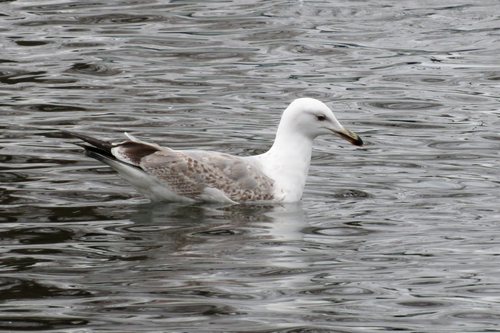 Gabbiano reale pontico
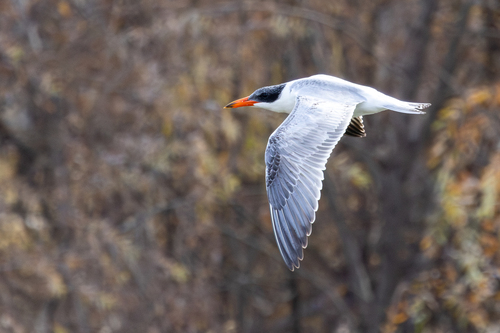 Sterna maggiore
In breve
Il modo più affidabile per separare il Gabbiano reale pontico dalla Sterna maggiore è la struttura generale e la forma del becco: il Gabbiano reale pontico è un gabbiano robusto e dalle ali larghe con un becco lungo e sottile e gambe chiare, mentre la Sterna maggiore è un uccello più snello e angolare con un becco spesso di un brillante arancione-rosso e gambe nere. I gabbiani reali pontici giovani e di prima inverno mostrano teste chiare con striature scure sul collo e due barre alari chiare, mentre le Sterni maggiori (adulti e immaturi) hanno un cappuccio nero sorprendente e un corpo bianco, senza mai mostrare la testa striata o le barre alari del gabbiano. In volo, le ali della Sterna maggiore sono più strette e appuntite, con punte delle ali nerastre sotto e una coda meno biforcuta. Il Gabbiano reale pontico è molto più pesante e massiccio, con un aspetto decisamente simile a un gabbiano, mentre la Sterna maggiore è più aerodinamica e simile a una sterna, spesso vista tuffarsi o volare con battiti d'ala più elastici.
Consigli di identificazione
- Bill shape and color: La Sterna maggiore ha un becco spesso di un brillante arancione-rosso con una punta nera (in tutte le età), mentre il Gabbiano reale pontico ha un becco lungo, sottile, chiaro o giallastro (mai di un rosso brillante). Questo è il segno distintivo più ovvio a distanza ravvicinata.
- Leg color: La Sterna maggiore ha sempre gambe nere; le gambe del Gabbiano reale pontico sono di un rosa chiaro o giallastro, mai nere.
- Head pattern (immatures): Il Gabbiano reale pontico di prima inverno mostra una testa chiara con striature scure sulla nuca; la Sterna maggiore (di qualsiasi età) non mostra mai questo schema, avendo invece un cappuccio nero solido (adulti) o un cappuccio nero striato (in inverno), ma sempre un volto e una gola bianchi.
- Wing pattern (immatures): Il Gabbiano reale pontico giovane/di prima inverno ha due linee chiare (barre alari) attraverso l'ala dai punti delle copritrici maggiori e mediane; la Sterna maggiore non mostra mai queste barre alari.
- Upperwing color (adults): Le ali superiori del Gabbiano reale pontico sono di un grigio chiaro con una grande punta bianca e una 'lingua' bianca sulla primarie più esterna; le ali superiori della Sterna maggiore sono di un grigio più chiaro con punte delle ali nerastre sotto, senza la lingua bianca o la grande punta bianca.
- Tail shape: La coda della Sterna maggiore è meno biforcuta rispetto ad altre sterni ma comunque appuntita; la coda del Gabbiano reale pontico è quadrata o leggermente arrotondata, mai biforcuta.
- Body structure: Il Gabbiano reale pontico è più massiccio, con un torace più profondo, gambe più lunghe e una postura più orizzontale; la Sterna maggiore è più snella, più eretta e più angolare nel profilo.
- Flight jizz: Il Gabbiano reale pontico vola con battiti d'ala costanti e profondi e ali larghe; la Sterna maggiore ha ali più strette e appuntite e vola con battiti d'ala più elastici e simili a quelli delle sterni.
- Plumage color: La Sterna maggiore è complessivamente più bianca, con un corpo bianco pulito e un cappuccio nero; il Gabbiano reale pontico è più grigiastro sopra e non ha mai un cappuccio completamente nero.
- Voice: Il richiamo della Sterna maggiore è un forte e aspro gracchiare, a differenza dei richiami ridacchianti o schiamazzanti del Gabbiano reale pontico.
- Habitat: La Sterna maggiore è quasi sempre vicino a acque aperte, spesso vista tuffarsi; il Gabbiano reale pontico si trova più spesso a riposare sulla terra o in gruppi misti di gabbiani.
- Size in mixed flocks: Anche se entrambi sono grandi, il Gabbiano reale pontico è più pesante e massiccio della Sterna maggiore—utile se entrambi sono presenti.
- Perched posture: La Sterna maggiore sta eretta e appare snella; il Gabbiano reale pontico è più orizzontale e robusto.
- Seasonal head pattern: In inverno, il cappuccio nero della Sterna maggiore diventa striato ma non forma mai la nuca striata del giovane Gabbiano reale pontico.
- Association: La Sterna maggiore è spesso con altre sterni, raramente con gabbiani; il Gabbiano reale pontico è solitamente con altri grandi gabbiani.
Taglia
Il Gabbiano reale pontico è sostanzialmente più pesante (massa media dell'adulto 1154 g contro 634 g per la Sterna maggiore [wikidata]), e anche più lungo (56–68 cm contro 48–60 cm) e con ali più larghe (apertura alare 137–155 cm contro 127–145 cm) [wikipedia]. Sul campo, il Gabbiano reale pontico appare più massiccio e robusto, con un torace più profondo e gambe più lunghe, mentre la Sterna maggiore è più snella e più allungata, con un corpo più stretto e gambe più corte. Anche se la Sterna maggiore è la più grande delle sterni, è comunque visibilmente più leggera e meno massiccia del Gabbiano reale pontico.
Piumaggio
I gabbiani reali pontici giovani e di prima inverno hanno una testa chiara con striature scure sulla nuca, parti inferiori chiare e un dorso grigiastro. Le loro copritrici alari maggiori e mediane hanno punte bianche, formando due linee chiare attraverso l'ala—queste barre alari chiare sono un segno distintivo chiave per i giovani gabbiani. I gabbiani reali pontici adulti hanno un dorso e ali grigio chiaro, con una grande punta bianca e una 'lingua' bianca sulla primarie più esterna. Al contrario, gli adulti della Sterna maggiore hanno una testa bianca con un cappuccio nero solido (che diventa striato in inverno), un collo, ventre e coda bianchi, e ali superiori grigio chiaro con punte delle ali nerastre sotto. La coda è meno biforcuta rispetto ad altre sterni ma mai quadrata o arrotondata come un gabbiano. Le Sterni maggiori immature sono variabili ma non mostrano mai la nuca striata o le barre alari chiare dei giovani gabbiani reali pontici. Il becco è sempre di un brillante arancione-rosso con una punta nera nella Sterna maggiore, mentre il becco del Gabbiano reale pontico è lungo, sottile e chiaro o giallastro, privo di qualsiasi colore brillante.
Comportamento
Il Gabbiano reale pontico è tipicamente visto a riposare a terra, appollaiato su pali, o volare con battiti d'ala costanti e profondi. Spesso si nutre o cerca cibo lungo le coste, mostrando il comportamento tipico dei grandi gabbiani. La Sterna maggiore, al contrario, è più aerea e dinamica: spesso si libra, si tuffa per pesci e vola con battiti d'ala più elastici e simili a quelli delle sterni. Quando è appollaiata, la Sterna maggiore sta più eretta e appare più snella, mentre il Gabbiano reale pontico è più massiccio e orizzontale. La Sterna maggiore spesso si associa con altre sterni, mentre il Gabbiano reale pontico si trova solitamente con altri grandi gabbiani.
Habitat
Entrambe le specie possono essere trovate vicino a grandi corpi d'acqua, ma il Gabbiano reale pontico è più spesso visto in laghi interni, bacini e aree costiere, frequentemente in gruppi misti di gabbiani o da solo. La Sterna maggiore preferisce acque aperte, banchi di sabbia e isole, ed è solitamente vista in o vicino a colonie di nidificazione o a nutrirsi sopra l'acqua. Anche se entrambe possono verificarsi insieme, la Sterna maggiore è più strettamente legata agli habitat acquatici e raramente si riposa su terreni aperti lontano dall'acqua.
Voce
Il Gabbiano reale pontico emette richiami tipici dei gabbiani—forti, ridacchianti e variabili nel tono, spesso descritti come 'schiamazzanti' o 'ridacchianti.' La Sterna maggiore ha un gracchiare distintivo, forte e simile a quello di un airone, molto diverso da qualsiasi richiamo di gabbiano. Se udita, la voce della sterna è un forte indizio: è più aspra e meno melodiosa rispetto a quella del gabbiano.
Gabbiano reale pontico · Sterna maggiore · I miei uccelli difficili