

Caribbean Martin vs Brown-chested Martin
Progne dominicensis contro Progne tapera
Fai un quiz con Caribbean Martin e Brown-chested Martin
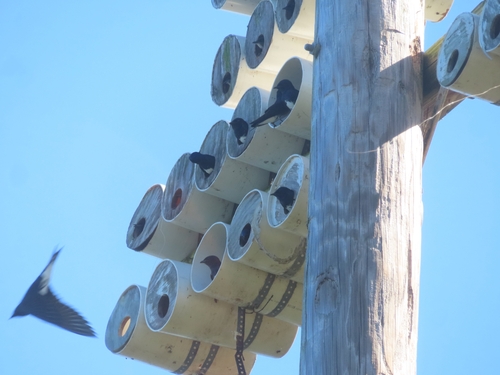 Caribbean Martin
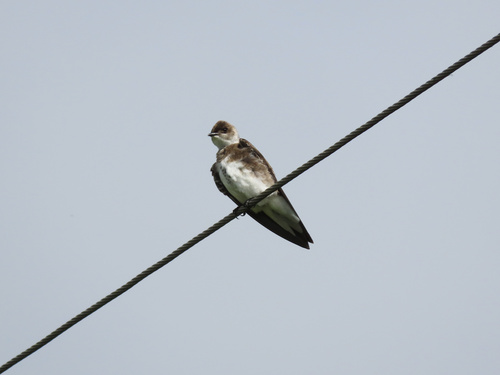 Brown-chested Martin
In breve
Il segno di campo più affidabile tra Caribbean Martin e Brown-chested Martin è il modello delle parti inferiori: i Caribbean Martin adulti (soprattutto i maschi) mostrano parti inferiori bianche nitide con un forte contrasto rispetto alle parti superiori scure, mentre i Brown-chested Martin mostrano sempre una banda petto marrone (a volte debole) che separa il ventre bianco dalle parti superiori sabbiose. I giovani di entrambe le specie possono essere confusi, ma il lavaggio marrone e la coda meno biforcuta dei giovani Brown-chested Martin aiutano. Strutturalmente, il Caribbean Martin è più grande e massiccio con ali più larghe e una coda più profonda. Entrambe le specie possono apparire insieme in migrazione o sopra l'acqua, quindi prestare attenzione a questi dettagli è essenziale.
Consigli di identificazione
- Banda petto: Il Brown-chested Martin mostra sempre una banda marrone attraverso il petto (a volte debole), separando il ventre bianco dalle parti superiori sabbiose. Il Caribbean Martin non mostra mai una vera banda petto; anche le femmine e i giovani opachi hanno parti inferiori bianche pulite.
- Contrasto delle parti inferiori: Il Caribbean Martin maschio adulto ha parti superiori blu-nerastre lucide a forte contrasto e parti inferiori bianche pure. Il Brown-chested Martin è più uniformemente marrone sabbioso sopra e attraverso il petto, con meno contrasto.
- Forma della coda: Il Caribbean Martin ha una coda più profondamente biforcuta, specialmente negli adulti; la coda del Brown-chested Martin è solo leggermente biforcuta, e i giovani hanno una coda più quadrata.
- Colore delle parti superiori: Il Caribbean Martin (maschio) è blu-nerastro lucido sopra; il Brown-chested Martin è marrone sabbioso sopra, mai lucido o blu-nerastro.
- Segni giovanili: Il giovane Brown-chested Martin ha una coda quadrata e un lavaggio grigio-marrone sui lati della gola, oltre a una banda petto marrone. Il giovane Caribbean Martin è più opaco ma manca della banda petto marrone e ha una coda più biforcuta.
- Dimensioni e struttura: Il Caribbean Martin è più grande e massiccio con ali più larghe e un peso maggiore; il Brown-chested Martin è più snello e più aerodinamico. Usa questo solo con altri segni, poiché ci sono sovrapposizioni.
- Stile di volo: Entrambe le specie sono foraggiatori aerei, ma il Caribbean Martin può apparire più pesante e potente in volo, mentre il Brown-chested è più leggero e veloce.
- Becco e testa: Il Caribbean Martin ha un becco leggermente più pesante e un profilo della testa più robusto; il becco del Brown-chested Martin è più fine e la testa appare meno massiccia.
- Contesto dell'habitat: Il Caribbean Martin è più probabile che si trovi nelle isole caraibiche, specialmente vicino a città e edifici; il Brown-chested Martin è diffuso nel continente sudamericano ed è meno legato a strutture create dall'uomo.
- Vocalizzazioni: Entrambi hanno richiami gorgoglianti, ma il canto del Brown-chested Martin è più lungo, rotolante e complesso. Usa con cautela, poiché i richiami sono simili e difficili da separare a distanza.
- Differenze sessuali: Solo il Caribbean Martin mostra un forte dimorfismo sessuale, con maschi molto più lucidi e scuri delle femmine. I sessi del Brown-chested Martin sono simili.
- Confusione delle sottospecie: La sottospecie fusca del Brown-chested Martin è più scura nel complesso con una banda petto più definita e segni scuri sul petto e sul ventre inferiori, ma mostra sempre la banda marrone.
- Trappole: I Caribbean Martin immaturi possono apparire opachi e possono essere confusi con il Brown-chested, ma mancano sempre della banda petto marrone e hanno parti inferiori bianche più pulite.
- Viste in perching vs. volo: La forma della coda e il modello delle parti inferiori sono meglio visti quando sono in perching. In volo, la dimensione complessiva, la biforcazione della coda e il contrasto delle parti inferiori aiutano, ma fai attenzione all'illuminazione e alla muta.
- Sovrapposizione: Entrambe le specie possono verificarsi insieme durante la migrazione o la vagabondaggio, specialmente vicino all'acqua. Usa sempre una combinazione di segni per un'identificazione sicura.
Taglia
Il Caribbean Martin è la specie più grande e pesante, misurando circa 18,5 cm di lunghezza e pesando circa 40 g. Il Brown-chested Martin è leggermente più piccolo a 16–18 cm e 30–40 g. Sul campo, il Caribbean Martin appare spesso più massiccio e robusto, con ali più larghe e una coda biforcuta più profonda, mentre il Brown-chested Martin appare più snello e più aerodinamico. Tuttavia, c'è sovrapposizione nelle dimensioni, quindi usa le dimensioni solo in combinazione con il piumaggio e la struttura.
Piumaggio
Gli uccelli giovani e immaturi sono la maggiore trappola. I giovani Brown-chested Martin hanno una coda più quadrata e un lavaggio grigio-marrone sui lati della gola, con una banda petto marrone sempre presente, anche se debole. I giovani Caribbean Martin e le femmine sono più opachi rispetto ai maschi adulti, con petto e fianchi grigio-marroni ma mostrano comunque parti inferiori bianche pulite e mancano di una banda petto distintiva. I maschi adulti del Caribbean Martin sono blu-nerastri lucidi sopra con parti inferiori bianche a forte contrasto, mentre le femmine e gli immaturi sono più opachi ma mancano comunque della banda petto marrone del Brown-chested. I Brown-chested Martin di tutte le età hanno parti superiori marrone sabbioso, un mento e una gola bianchi, e una banda marrone attraverso il petto, che è più pronunciata nella sottospecie più scura fusca. La coda del Brown-chested è solo leggermente biforcuta (più quadrata nei giovani), mentre la coda del Caribbean Martin è più profondamente biforcuta.
Comportamento
Entrambe le specie sono insetti aerei, cacciando insetti in volo, ma i Caribbean Martin sono spesso più gregari, formando stormi più grandi e nidificando frequentemente in cavità in banchi, edifici o vecchi buchi di picchio. I Brown-chested Martin possono foraggiare singolarmente o in piccoli gruppi e spesso volano veloci e bassi sopra la vegetazione e l'acqua, a volte più in alto quando si nutrono di insetti in sciame. Entrambi possono essere visti su habitat aperti, ma il Caribbean Martin è più probabile che venga visto utilizzare strutture create dall'uomo per nidificare, specialmente in aree urbane.
Habitat
Il Caribbean Martin nidifica in tutto il Caraibi (eccetto Cuba e Isla de la Juventud), spesso vicino all'acqua, in città o in aree rurali con cavità di nidificazione disponibili. Il Brown-chested Martin è diffuso nel continente dell'America Centrale e Meridionale (eccetto il Cile) ed è più probabile trovarlo sopra il paese aperto, fiumi, laghi e talvolta in ambienti urbani. La sovrapposizione può verificarsi durante la migrazione o nella vagabondaggio, specialmente vicino all'acqua o in aree aperte dove entrambi cacciano insetti.
Voce
Entrambe le specie hanno vocalizzazioni piuttosto simili descritte come gorgoglianti o gutturali. Il Caribbean Martin emette un richiamo gorgogliante chew-chew. Il canto del Brown-chested Martin è una serie aspra e gutturale di trilli liquidi, rotolanti e discendenti, e i suoi richiami includono un djzeut secco e frizzante e un dureet più musicale. Le differenze vocali sono sottili e non il segno di campo più affidabile, ma il canto del Brown-chested è più lungo e più rotolante.
Caribbean Martin · Brown-chested Martin · I miei uccelli difficili