

Caribbean Elaenia vs Tessitore gendarme
Elaenia martinica contro Ploceus cucullatus
Fai un quiz con Caribbean Elaenia e Tessitore gendarme
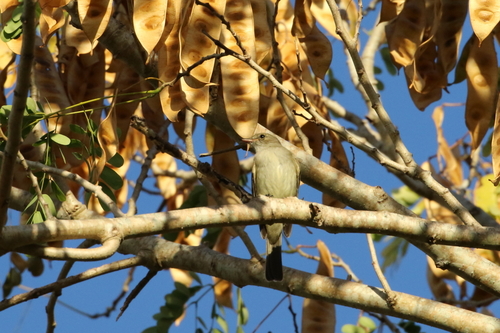 Caribbean Elaenia
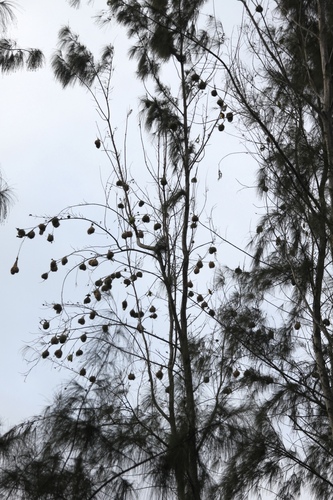 Tessitore gendarme
In breve
Il segno distintivo più affidabile tra Caribbean Elaenia e Tessitore gendarme è la struttura generale e la forma del becco: l'elaenia è un moschino slanciato e crestato con un becco sottile e dritto, mentre il tessitore è un uccello massiccio e pesante con un becco spesso e conico. In tutte le livree, l'elaenia mostra due barre alari chiare e una cresta folta con una striscia centrale chiara, mentre il tessitore (soprattutto i maschi in riproduzione) presenta un forte contrasto giallo e nero e, durante la stagione riproduttiva, un cappuccio nero o castano. I tessitori immaturi e femminili sono più gialli e striati, ma comunque più robusti e con una coda più corta rispetto all'elaenia. Entrambe le specie possono trovarsi in habitat semi-aperti simili sulle isole caraibiche, ma il loro comportamento e la loro struttura sono distinti.
Consigli di identificazione
- La forma del becco è diagnostica: Caribbean Elaenia ha un becco sottile e dritto da moschino, mentre Tessitore gendarme ha un becco spesso, conico e simile a quello di un fringuello. Questo è visibile anche da lontano e vale per tutte le età e i sessi.
- Cresta e striscia sulla corona: L'elaenia mostra sempre una cresta folta con una striscia centrale chiara (bianca), assente in tutti i tessitori. Se vedi una cresta sollevata con una striscia chiara, è un'elaenia.
- Barre alari vs. contrasto di colore: L'elaenia ha due barre alari chiare su ali scure con bordi giallastri/biancastri; le ali del tessitore sono audacemente a strisce gialle e nere, senza barre alari distinte ma mostrando un forte contrasto di colore, specialmente nei maschi in riproduzione.
- Schema della testa: I maschi in riproduzione dei tessitori hanno un cappuccio o un viso nero (a volte con bordi castani), mai mostrato dall'elaenia. I tessitori non in riproduzione e femminili hanno teste gialle, ma mai una striscia centrale chiara sulla corona o una cresta folta.
- Parte superiore e parte inferiore: L'elaenia è di un verde oliva opaco a marrone sopra, grigia chiara a giallastra sotto, sempre sottile e dai toni morbidi. Il tessitore è molto più giallo sotto, con giallo e nero sopra (maschio in riproduzione) o oliva striato (femmina/immaturo), e sempre più contrastante.
- Coda e postura: L'elaenia è più slanciata, con una coda più lunga e una postura eretta. Il tessitore è massiccio, con una coda corta e spesso appare curvo o pesante.
- Colore dell'iride: Entrambi hanno occhi scuri, quindi questo non è utile.
- Zampe e piedi: Entrambi hanno zampe e piedi scuri; non è un segno distintivo.
- Comportamento: L'elaenia è solitaria o in coppie, che si lancia per catturare insetti. Il tessitore è gregario, spesso in stormi o nei nidi coloniali, e si nutre di semi oltre che di insetti.
- Contesto dell'habitat: Nidi grandi e appariscenti appesi a un albero, specialmente in gruppi, indicano il Tessitore gendarme. I nidi dell'elaenia sono piccoli, fragili e di forma cupa, di solito non evidenti.
- Confusione giovanile: I giovani tessitori sono più marroni ma mostrano comunque un contrasto giallo e nero sulle ali e sono più robusti di qualsiasi elaenia. Le elaenie juvenile assomigliano agli adulti ma sono sempre opache e crestate.
- Vocalizzazioni: Non descritte nelle note, quindi non è un segno distintivo affidabile qui.
- Variazione stagionale: I maschi in riproduzione dei tessitori sono i più appariscenti con cappucci neri; i tessitori non in riproduzione e femminili/immaturi sono più opachi ma comunque più contrastanti e gialli di qualsiasi elaenia.
- Contesto geografico: Sulle isole caraibiche, entrambe le specie possono verificarsi, ma l'elaenia è nativa e più probabile in aree boschive o meno urbane; il tessitore è spesso vicino all'abitazione umana e in colonie rumorose.
- Impressione di dimensione: Se l'uccello appare massiccio e pesante, è probabile che sia un tessitore; se è snello e eretto, è probabile che sia un'elaenia.
Taglia
Il Tessitore gendarme è sostanzialmente più pesante (media 37,6 g) rispetto alla Caribbean Elaenia (media 21,3 g) [wikidata], e appare più robusto e massiccio sul campo. La lunghezza è simile (elaenia 14–18 cm, tessitore 15–17 cm), ma la maggiore massa e la corporatura robusta del tessitore sono evidenti, specialmente quando è posato. L'elaenia è più slanciata e eretta, con una coda proporzionalmente più lunga e una testa più piccola. La forma del becco è una differenza chiave: l'elaenia ha un becco sottile e dritto da moschino, mentre il becco del tessitore è spesso, conico e simile a quello di un fringuello.
Piumaggio
Nessun schema alare specifico per età è descritto per entrambe le specie, ma i seguenti contrasti sono affidabili attraverso età e sessi:
- Caribbean Elaenia (tutte le età/sessi): Parte superiore opaca di verde oliva a marrone, due barre alari chiare, ali scure con bordi giallastri o biancastri, cresta folta con una striscia centrale bianca, parte inferiore grigia chiara con ventre e sottocoda giallastri o biancastri. Il viso è maculato di grigio-marrone con un anello oculare debole e lore biancastri. Nessun forte contrasto di colore o maschera/cappuccio nero a qualsiasi età.
- Tessitore gendarme:
- Maschio in riproduzione: Testa nera appariscente (a volte con bordi castani), parte inferiore gialla brillante, parte superiore e ali nere e gialle. Gli uccelli meridionali possono avere più giallo sulla corona/nuca. Il becco è sempre nero.
- Maschio non in riproduzione: Testa gialla con corona oliva, parte superiore grigia, parte inferiore bianca, ma le ali rimangono gialle e nere.
- Femmina: Parte superiore striata di oliva, ali gialle e nere, parte inferiore gialla chiara. Nessun cappuccio nero, ma comunque molto più gialla e contrastante rispetto all'elaenia.
- Giovanile: Simile alla femmina ma più marrone sulla schiena, comunque con contrasto giallo e nero sulle ali.
Il tessitore non mostra mai una cresta folta o una striscia centrale chiara sulla corona, e ha sempre un aspetto più pesante e contrastante rispetto all'elaenia, che è sottile e dai toni morbidi.
Comportamento
Caribbean Elaenia è tipicamente solitaria o in coppie, posandosi eretta su alberi o arbusti, spesso lanciandosi per catturare insetti in stile moschino. È generalmente silenziosa e poco appariscente. Il Tessitore gendarme è altamente sociale, spesso visto in stormi rumorosi o colonie, specialmente intorno ai loro grandi nidi appesi. I tessitori sono attivi, spesso si nutrono a terra o sugli alberi, e il loro nido coloniale e il costante chiacchiericcio sono distintivi. L'alimentazione del tessitore è più orientata ai semi/cereali, mentre l'elaenia è principalmente insettivora.
Habitat
Entrambe le specie possono essere trovate in habitat aperti o semi-aperti, inclusi giardini e villaggi sulle isole caraibiche. Tuttavia, Caribbean Elaenia è nativa delle Indie Occidentali e del continente adiacente, preferendo i margini boschivi, la macchia e le radure forestali. Il Tessitore gendarme è nativo dell'Africa subsahariana ma è stato introdotto in diverse isole caraibiche; preferisce aree aperte, città e soprattutto luoghi con alberi adatti per il nido coloniale. Grandi gruppi di tessitori e i loro nidi appariscenti in aree urbane o nei terreni di hotel sono un forte indizio, mentre le elaenie sono più spesso incontrate singolarmente o in coppie in habitat meno disturbati.
Caribbean Elaenia · Tessitore gendarme · I miei uccelli difficili