

Cape Batis vs Chinspot Batis
Batis capensis contro Batis molitor
Fai un quiz con Cape Batis e Chinspot Batis
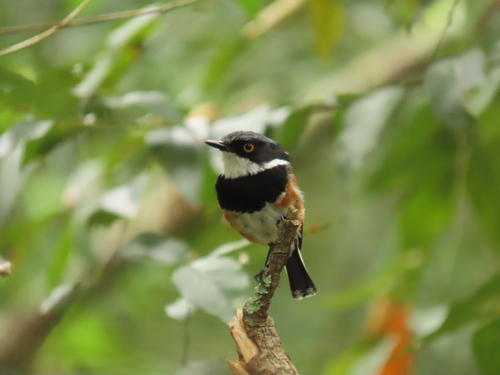 Cape Batis
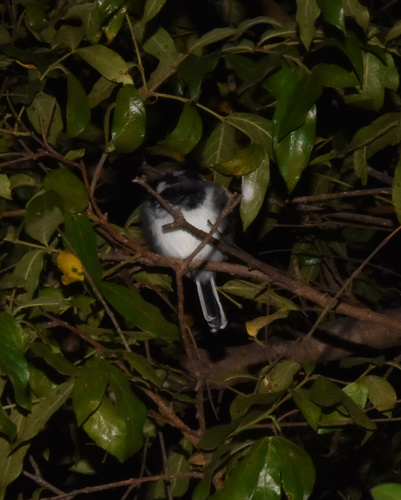 Chinspot Batis
In breve
Il segno di campo più affidabile per separare Cape Batis da Chinspot Batis è la presenza di toni rugginosi (ossidati) sulle ali e sui fianchi di Cape Batis, che sono assenti in Chinspot Batis. Il maschio adulto di Cape Batis mostra una larga banda nera sul petto e fianchi rugginosi, mentre i maschi di Chinspot Batis hanno una banda nera sul petto ma non presentano rugginoso, mostrando invece una striscia bianca sulle ali. Le femmine e i giovani di entrambe le specie hanno bande petto più chiare, castanee o rugginose, ma solo le femmine e i giovani di Cape Batis hanno una macchia rugginosa sulla gola e rugginoso sulle ali e sui fianchi. La struttura e il comportamento sono simili, ma Cape Batis è leggermente più pesante e più ristretto alle foreste afromontane, mentre Chinspot Batis è diffuso nelle foreste. Le vocalizzazioni sono simili ma differiscono sottilmente nella fraseggio.
Consigli di identificazione
- Rugginoso su ali e fianchi (solo Cape Batis): Cerca un evidente colore rugginoso o ossidato sulle ali e sui fianchi, presente in tutte le età e sessi di Cape Batis ma mai in Chinspot Batis.
- Striscia bianca sulle ali (solo Chinspot Batis): Chinspot Batis di tutte le età e sessi mostra una prominente striscia bianca sulle ali, priva di toni rugginosi. Cape Batis non ha questa striscia bianca sulle ali.
- Colore e larghezza della banda sul petto: Il maschio adulto di Cape Batis ha una larga banda nera sul petto con fianchi rugginosi, mentre il maschio di Chinspot Batis ha una banda nera sul petto ma senza rugginoso. Le femmine e i giovani di Cape Batis hanno una banda sul petto più stretta e rugginosa e una piccola macchia rugginosa sulla gola; la femmina di Chinspot Batis ha una banda sul petto castanea (non rugginosa) e una macchia castanea sulla gola, ma non ha rugginoso sulle ali o sui fianchi.
- Macchia sulla gola: Le femmine e i giovani di Cape Batis hanno una piccola macchia rugginosa sulla gola; le femmine e i giovani di Chinspot Batis hanno una macchia castanea (tawny), ma questa è meno estesa e non accompagnata da rugginoso altrove.
- Colore della schiena: Cape Batis ha una schiena marrone, un sottocoda e una coda neri; Chinspot Batis ha parti superiori grigie e manca di marrone o nero sul sottocoda.
- Corona e maschera: Entrambi hanno una corona grigia e una maschera nera, ma la maschera di Cape Batis è più larga e la corona può apparire più grigio ardesia; Chinspot Batis ha una breve striscia bianca sopra la maschera.
- Colore dei fianchi: I fianchi rugginosi sono unici per Cape Batis; i fianchi di Chinspot Batis sono bianchi.
- Becco e zampe: Entrambe le specie hanno becchi e zampe neri; questi non sono utili per la separazione.
- Colore degli occhi: Chinspot Batis ha occhi gialli, ma questo non è menzionato per Cape Batis e potrebbe non essere affidabile sul campo.
- Comportamento: Chinspot Batis può essere visto in piccoli gruppi in inverno/primavera, mostrando flicking delle ali e richiami; Cape Batis è più solitario o in coppie.
- Habitat: La densa e umida foresta afromontana favorisce fortemente Cape Batis; la foresta aperta, bushveld o il bordo della foresta è più probabile che ospiti Chinspot Batis.
- Vocalizzazione: Entrambe le specie emettono fischi a tre note, ma quello di Cape Batis è meno discendente; usa con cautela a meno che non sia familiare con entrambi.
- Dimensioni: Cape Batis è leggermente più pesante (11.7g vs 8.7g), ma questo non è facilmente giudicabile sul campo.
- Distribuzione geografica: Se a nord delle foreste afromontane dell'Africa meridionale, Chinspot Batis è molto più probabile.
- Confusione giovanile: I giovani e le femmine di Cape Batis mostrano sempre un po' di rugginoso nelle ali/fianchi, mentre i giovani di Chinspot Batis non lo fanno mai; la striscia bianca sulle ali è un segno affidabile di Chinspot a tutte le età.
Taglia
Cape Batis è leggermente più pesante (11.7g vs 8.7g) rispetto a Chinspot Batis, ma entrambi sono uccelli piccoli e robusti e sembrano simili sul campo. Questa differenza è sottile e non è facilmente giudicabile senza un confronto diretto. Entrambe le specie sono compatte e con becco corto, quindi la dimensione da sola è raramente diagnostica.
Piumaggio
I giovani e le femmine di Cape Batis si distinguono meglio da Chinspot Batis per la presenza di rugginoso sulle ali e sui fianchi, e una piccola macchia rugginosa sulla gola—queste caratteristiche non sono presenti in Chinspot Batis di alcuna età o sesso. Il maschio adulto di Cape Batis ha una corona grigia, maschera nera, gola bianca, schiena marrone, sottocoda e coda neri, ali rugginose, parti inferiori bianche con una larga banda nera sul petto e fianchi rugginosi. Al contrario, il maschio adulto di Chinspot Batis ha un berretto grigio, maschera nera, breve striscia bianca sugli occhi, gola bianca, parti superiori grigie con una prominente striscia bianca sulle ali, e parti inferiori bianche con una banda nera sul petto, ma senza toni rugginosi o marroni. La femmina di Chinspot Batis ha una banda sul petto castanea (non rugginosa) e una macchia castanea sulla gola, ma le ali e i fianchi rimangono grigi, non rugginosi. I giovani di Chinspot Batis assomigliano alle femmine ma la banda sul petto e la macchia sulla gola sono tawny. La striscia bianca sulle ali di Chinspot Batis è un segno utile in tutte le piumature, in contrasto con l'ala rugginosa di Cape Batis.
Comportamento
Entrambe le specie sono attive e spesso viste singolarmente o in coppie, flickando le loro code e ali, e cercando prede nella chioma. Chinspot Batis è noto per formare piccoli gruppi ('parlamenti') in inverno e primavera, mostrando flicking delle ali e richiami, e essendo territoriale tutto l'anno. Cape Batis è meno socievole e più ristretto a foreste dense, mentre Chinspot Batis è più probabile che venga visto in foreste aperte e habitat di bordo. Entrambe le specie si nutrono raccogliendo insetti dalla vegetazione e talvolta cacciando in aria.
Habitat
Cape Batis è endemico delle foreste afromontane dell'Africa meridionale ed è tipicamente trovato in habitat forestali densi e umidi. Chinspot Batis è molto più diffuso, presente in una varietà di foreste dall'Eastern Cape a nord fino al Kenya e al Gabon, ed è comune in foreste più secche e aperte e al bordo della foresta. Se ti trovi in una densa foresta di alta quota, è più probabile che tu incontri Cape Batis; in foreste aperte o bushveld, ci si aspetta Chinspot Batis.
Voce
Entrambe le specie emettono un fischio a tre note, ma il canto di Cape Batis è descritto come un fischio triplo ('cherra-warra-warra' o 'foo-foo-foo'), mentre il richiamo di Chinspot Batis è un fischio discendente a tre note, spesso emesso da un posatoio prominente. Entrambi i sessi possono duettare in Chinspot Batis. Le differenze sono sottili e potrebbero essere difficili da separare all'orecchio a meno che non si sia familiari con entrambi.