

Canebrake Wren vs Bay Wren
Cantorchilus zeledoni contro Cantorchilus nigricapillus
Fai un quiz con Canebrake Wren e Bay Wren
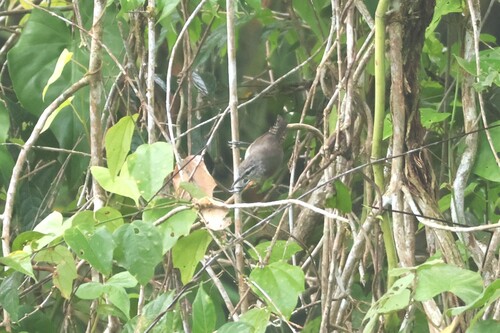 Canebrake Wren
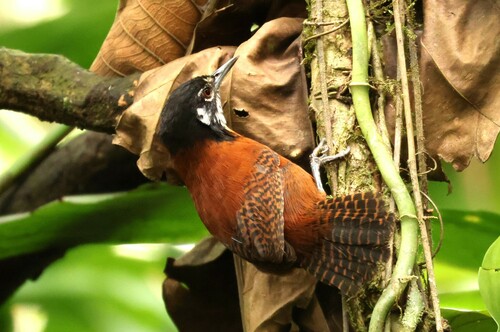 Bay Wren
In breve
Il segno distintivo più affidabile tra Canebrake Wren e Bay Wren è il motivo della testa: Bay Wren mostra un volto e una corona neri molto evidenti con un sottile supercilium bianco, mentre Canebrake Wren ha una corona marrone e un supercilium bianco ma manca del forte contrasto facciale nero di Bay Wren. In tutte le età, le parti superiori di Bay Wren sono di un ricco castano, in contrasto con i toni più attenuati grigio-marroni e olivacei di Canebrake Wren. I giovani di entrambi sono più opachi, ma il motivo di Bay Wren rimane più nettamente definito. Entrambe le specie si sovrappongono nell'areale in America Centrale e possono verificarsi in vegetazione densa e bassa simile, ma Bay Wren è più strettamente legato all'acqua. Le dimensioni sono simili, ma Bay Wren è mediamente leggermente più pesante.
Consigli di identificazione
- Motivo della Testa (Tutte le Età): Bay Wren mostra sempre un volto e una corona neri con un sottile supercilium bianco e una macchia bianca sulla guancia; Canebrake Wren ha una corona marrone, supercilium bianco e una striscia oculare grigio-marrone, mancando di qualsiasi nero sul volto o sulla corona.
- Colore delle Parti Superiori: Le parti superiori di Bay Wren sono di un ricco castano (eccetto per la corona/nuca nera), mentre quelle di Canebrake Wren sono grigio-marroni che si fondono in grigio olivaceo sulla coda—molto più opache e meno rugginose nel complesso.
- Coda: Entrambi hanno code barrate, ma la coda di Bay Wren è di un ricco marrone con barre nere audaci, mentre quella di Canebrake Wren è marrone olivaceo con barre scure ben definite ma meno contrastanti.
- Parti Inferiori: Bay Wren ha una gola e un petto bianchi, un ventre e fianchi marrone rugginoso, e barrature nere dal petto al vent; Canebrake Wren ha una gola bianco sporco, un petto grigio e un ventre inferiore grigio-buff, mancando di forti barrature.
- Piumaggio Giovanile: Entrambi sono più opachi da giovani, ma i giovani di Bay Wren mantengono il motivo della testa bianco e nero (sebbene più pallido e meno definito), mentre i giovani di Canebrake Wren mancano di qualsiasi nero e hanno segni facciali meno distinti.
- Contrasto Facciale: In qualsiasi vista perpendicolare o ravvicinata, il volto di Bay Wren appare molto più contrastante e motivato rispetto a quello di Canebrake Wren, che è più semplice e più mescolato.
- Supercilium: Entrambi hanno un supercilium bianco, ma in Bay Wren è più stretto e delimitato dal nero, mentre in Canebrake Wren è più ampio e impostato su marrone.
- Macchia sulla Guancia: Bay Wren mostra una macchia bianca distintiva sul retro della guancia; le guance di Canebrake Wren sono macchiate di grigio e bianco sporco, mai con una chiara macchia bianca.
- Indizi sull'Habitat: Se visti in vegetazione densa proprio lungo l'acqua, specialmente in cespugli intricati, è più probabile che sia Bay Wren; Canebrake Wren è meno strettamente legato all'acqua.
- Dimensioni: Entrambi sono simili in lunghezza; Bay Wren è mediamente leggermente più pesante, ma questo non è un segno distintivo.
- Viste in Volo: Non sono descritte differenze distintive nel modello di volo o nelle ali per nessuna delle due specie; la separazione si basa sul piumaggio della testa e del corpo, anche in volo.
- Voce: Il canto di Bay Wren è forte e complesso, ma il canto di Canebrake Wren non è descritto qui, quindi non fare affidamento sulle vocalizzazioni per la separazione.
- Trappole: I giovani Canebrake Wren possono apparire particolarmente semplici e potrebbero essere trascurati come Bay Wren se non controllati per l'assenza di nero sulla testa e sulla corona.
- Variazione delle Sottospecie: Le sottospecie di Bay Wren variano nell'intensità del colore e nelle barrature, ma tutte mantengono la corona e il volto neri, che Canebrake Wren non mostra mai.
- Contesto: In aree di sovrapposizione dell'areale (Costa Rica, Nicaragua, Panama), controlla sempre la testa nera e le parti superiori castane ricche prima di assumere che un wren sia Bay Wren; se questi mancano, è probabile che sia Canebrake Wren.
Taglia
Entrambe le specie sono simili in lunghezza, con Canebrake Wren di circa 14 cm e Bay Wren che varia da 12,6 a 15,6 cm. Bay Wren è leggermente più pesante in media (massa media adulta ~23,9 g), ma questa differenza è sottile e non facilmente giudicabile sul campo. Le differenze strutturali non sono enfatizzate nelle fonti disponibili, quindi la dimensione da sola non è un separatore affidabile.
Piumaggio
- Giovani: Entrambe le specie hanno parti inferiori più opache e segni facciali meno definiti rispetto agli adulti, ma i giovani di Bay Wren mostrano ancora una versione pallida del motivo della testa bianco e nero, mentre i giovani di Canebrake Wren mancano di qualsiasi nero sul volto o sulla corona.
- Adulti: Bay Wren è immediatamente distinto dal suo volto e corona neri, dal sottile supercilium bianco e dalla macchia bianca sulla guancia, impostati su parti superiori di un ricco castano e una coda marrone audacemente barrata. Canebrake Wren ha una corona marrone, parti superiori grigio-marroni che si fondono in grigio olivaceo sulla coda, e una coda marrone olivaceo con barre scure. Il suo volto è contrassegnato da un supercilium bianco e una striscia oculare grigio-marrone, ma mai nero. Le parti inferiori differiscono: quelle di Bay Wren sono bianche sulla gola e sul petto, poi marrone rugginoso con barrature nere sul ventre e sui fianchi; quelle di Canebrake Wren sono bianco sporco sulla gola, grigie sul petto e grigio-buff sul ventre inferiore, mancando di forti barrature. In tutte le età, il piumaggio di Bay Wren è più ricco e più contrastante, mentre Canebrake Wren è più semplice e più attenuato.
Comportamento
Entrambe le specie si nutrono in vegetazione densa e bassa, spesso in cespugli intricati o in crescita secondaria. Bay Wren è noto per cercare cibo sondando e raccogliendo in viti e fogliame denso, specialmente vicino all'acqua. Il comportamento alimentare di Canebrake Wren è meno specificamente descritto ma è simile nelle abitudini generali. Non sono notate differenze comportamentali significative che possano separarle affidabilmente sul campo.
Habitat
Entrambe le specie si trovano in vegetazione densa e bassa, spesso in radure sovrastrutturate, ai lati delle strade o in foreste secondarie. Bay Wren è particolarmente associato a cespugli lungo i corsi d'acqua e vegetazione densa vicino all'acqua, anche se può verificarsi in aree più secche in Nicaragua. Canebrake Wren si trova in Costa Rica, Nicaragua e Panama, tipicamente in habitat densi simili ma non così strettamente legato all'acqua come Bay Wren. In aree di sovrapposizione, la preferenza di Bay Wren per habitat più umidi e intricati può essere un indizio sottile, ma non è sempre diagnostico.
Voce
Il canto di Bay Wren è descritto come forte, rapido e ricco di tonalità, con fischi sfumati, trilli e gorgheggi, spesso eseguito in antiphona. Nessuna descrizione specifica è fornita per le vocalizzazioni di Canebrake Wren nelle fonti, quindi la voce non è un separatore affidabile basato solo su queste note.