

Canada Jay vs Cerulean Warbler
Perisoreus canadensis contro Setophaga cerulea
Fai un quiz con Canada Jay e Cerulean Warbler
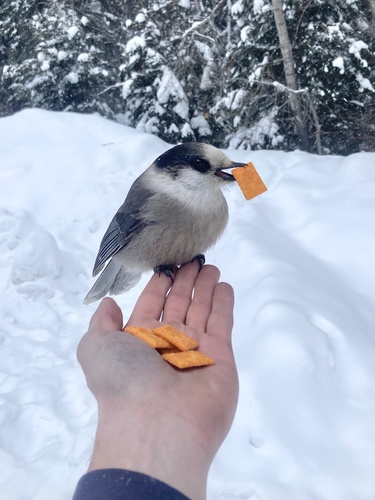 Canada Jay
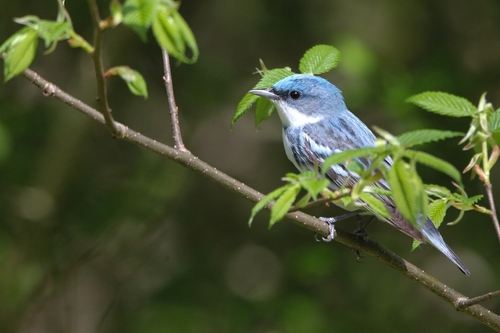 Cerulean Warbler
In breve
Il segno di campo più affidabile è la dimensione e la struttura: Canada Jay è un corvo grande e robusto con un becco robusto e una lunga coda, mentre Cerulean Warbler è un uccello canoro piccolo e snello con un becco sottile e appuntito e una coda corta. I Canada Jay immaturi sono uniformemente grigi scuri, mentre tutti i Cerulean Warbler (anche i giovanili) mostrano due evidenti barre alari bianche e macchie bianche sulla coda. I maschi adulti di Cerulean Warbler sono di un blu e bianco straordinari con una collana nera, a differenza di qualsiasi Canada Jay. L'habitat è anche un forte indizio: Canada Jay si trova in foreste boreali o subalpine, Cerulean Warbler in boschi decidui maturi orientali. Se vedi un uccello massiccio con la faccia chiara nei boschi del nord, è un Canada Jay; un piccolo uccello blu e bianco in cima a una chioma decidua è un Cerulean Warbler.
Consigli di identificazione
- Dimensione e forma: Canada Jay è oltre il doppio della lunghezza e molte volte il peso di Cerulean Warbler. Se l'uccello sembra delle dimensioni di un pettirosso o più grande, è un jay; se è delle dimensioni di un passero o più piccolo, è un warbler.
- Struttura del becco: Canada Jay ha un becco spesso, corto e completamente nero adatto per l'onnivorismo; Cerulean Warbler ha un becco sottile e appuntito ideale per raccogliere insetti. Questo è ovvio anche a distanza con i binocoli.
- Coda: Canada Jay ha una coda lunga, arrotondata e di grigio medio con punte chiare; Cerulean Warbler ha una coda corta con macchie bianche visibili in volo o quando è aperta.
- Schema alare (tutte le età): Cerulean Warbler mostra sempre due evidenti barre alari bianche e macchie bianche sulla coda, anche nei giovanili e nelle femmine. Canada Jay non mostra mai barre alari o macchie sulla coda a nessuna età.
- Piumaggio giovanile: I giovani Canada Jay sono uniformemente grigi scuri, privi di qualsiasi faccia chiara, barre alari o macchie sulla coda. I giovanili Cerulean Warbler sono verdastri sopra, giallastri sotto, con un sopracciglio chiaro e mostrano sempre due barre alari bianche e macchie bianche sulla coda.
- Piumaggio del maschio adulto: I maschi di Cerulean Warbler sono di un blu ceruleo brillante sopra, bianchi sotto, con una collana nera e fianchi striati. Canada Jay non è mai blu, mai striato e privo di qualsiasi collana o barre alari.
- Piumaggio della femmina adulta/immatura: Le femmine e gli immaturi di Cerulean Warbler sono blu-verdastri sopra, giallastri sotto, con una striscia chiara sugli occhi e mostrano sempre due barre alari bianche. Le femmine di Canada Jay assomigliano ai maschi: grigie sopra, chiare sotto, faccia bianca, senza barre alari o striature.
- Schema facciale: Canada Jay ha una faccia bianca con una nuca/cappuccio scura, dando un aspetto coperto. Le femmine/immaturi di Cerulean Warbler hanno un sopracciglio chiaro ma nessun aspetto coperto; i maschi hanno una corona blu semplice.
- Colore delle zampe: Canada Jay ha sempre zampe nere; le zampe di Cerulean Warbler sono nere negli adulti, marroni scure nei giovanili, ma questo è raramente diagnostico sul campo.
- Comportamento: Canada Jay si muove lentamente, spesso si posa in aperto e può avvicinarsi alle persone. Cerulean Warbler è irrequieto, cerca cibo in alto nella chioma e raramente sta fermo.
- Habitat: Canada Jay si trova in foreste conifere boreali o subalpine, spesso lontano a nord o ad alte altitudini. Cerulean Warbler è limitato a foreste decidue mature nell'est durante la stagione di nidificazione.
- Vocalizzazioni: Canada Jay emette fischi e clic morbidi, mai ronzanti o trillati. Cerulean Warbler canta una canzone ronzante e accelerante e un richiamo metallico "zzee"—distintivo tra i warbler.
- Stagione/contesto: Se visto al di fuori della stagione di nidificazione, Canada Jay è residente tutto l'anno nel suo territorio; Cerulean Warbler è un migratore a lungo raggio e assente dal Nord America in inverno.
- Socialità: Canada Jay è spesso visto in piccoli gruppi familiari; Cerulean Warbler è solitamente solitario o con stormi misti di warbler.
- Trappole comuni: I Canada Jay immaturi possono sembrare molto semplici e scuri, ma non mostrano mai barre alari o macchie sulla coda. Cerulean Warbler, anche in piumaggio opaco, mostra sempre qualche schema sulle ali e sulla faccia ed è molto più piccolo e snello.
Taglia
Canada Jay è molto più grande: 25–33 cm (10–13 in) di lunghezza, con un'apertura alare di 45 cm (18 in) e un peso di 65–70 g (2.3–2.5 oz) [wikipedia]. Cerulean Warbler è piccolo: 11 cm (4.3 in) di lunghezza, apertura alare di 20 cm (7.9 in) e pesa solo 8–10 g (0.28–0.35 oz) [wikipedia]. Il jay è oltre il doppio della lunghezza e molte volte più pesante, con un corpo robusto, una grande testa e una lunga coda arrotondata. Cerulean Warbler è piccolo, snello e delicato, con una coda corta e un becco molto fine.
Piumaggio
-
Uccelli giovanili/immaturi: I pulcini di Canada Jay sono uniformemente grigi scuri, privi di qualsiasi faccia chiara o schema alare. Al contrario, tutti i Cerulean Warbler (inclusi giovanili e femmine) hanno due barre alari bianche prominenti e macchie bianche sulla coda, oltre a un sopracciglio chiaro nelle femmine e nei giovani. Questo fa sembrare un giovane Canada Jay semplice e fuligginoso, mentre un giovane Cerulean Warbler mostra sempre qualche schema sulle ali e sulla faccia.
-
Maschi adulti: Gli adulti di Canada Jay sono grigi chiari sotto, grigi medi sopra, con una faccia bianca e una nuca scura; nessun blu, nessuna striatura e nessuna barra alare. I maschi adulti di Cerulean Warbler sono di un blu ceruleo profondo sopra, bianchi sotto, con una collana nera e striature scure sui fianchi—molto diversi da qualsiasi jay.
-
Femmine adulte: Le femmine di Canada Jay assomigliano ai maschi (grigie e bianche, senza barre alari, senza blu). Le femmine di Cerulean Warbler sono blu-verdastri sopra, giallastri sotto, con una striscia chiara sugli occhi e mostrano sempre due barre alari bianche e macchie bianche sulla coda.
-
Becco e zampe: Canada Jay ha un becco nero spesso e corto e zampe nere. Cerulean Warbler ha un becco sottile e appuntito (nero nei maschi, grigiastro nelle femmine/immaturi) e zampe nere o marroni a seconda dell'età.
Comportamento
Canada Jay si muove lentamente, spesso è domestico e trascorre molto tempo posato o planando tra gli alberi, a volte avvicinandosi alle persone per cibo. Cerca cibo saltellando lungo i rami ed è spesso visto in gruppi familiari. Cerulean Warbler è altamente attivo, si muove rapidamente tra i rami alti, raramente sta fermo e di solito è solo o con altri piccoli uccelli canori. Cerca insetti nella chioma ed è molto meno probabile che venga visto a terra o vicino al suolo.
Habitat
Canada Jay si trova in foreste conifere boreali in tutta la parte settentrionale del Nord America e in foreste subalpine delle Montagne Rocciose, spesso in aree remote, fredde o ad alta quota [wikipedia]. Cerulean Warbler nidifica in foreste decidue mature e alte del Nord America orientale, specialmente in grandi tratti di latifoglie, e sverna in foreste subtropicali sulle Ande orientali [wikipedia]. Le due specie non si sovrappongono nell'habitat tipico di nidificazione: vedere un uccello in un palude di abete o in una foresta di abete subalpino indica Canada Jay; in una chioma alta di quercia o acero, Cerulean Warbler.
Voce
Canada Jay emette una varietà di fischi morbidi, clic e risate, a volte mimando altre specie, ma è generalmente silenzioso e non musicale. I suoi richiami non sono ronzanti o trillati. I maschi di Cerulean Warbler cantano un "zray zray zray zray zeeee" ronzante e accelerante e danno un richiamo metallico "zzee". La loro canzone è distintiva tra i warbler e molto diversa da qualsiasi vocalizzazione di jay. Cerulean Warbler è anche più propenso a cantare in modo persistente durante la stagione di nidificazione.