

Burrowing Owl vs Rufous-legged Owl
Athene cunicularia contro Strix rufipes
Fai un quiz con Burrowing Owl e Rufous-legged Owl
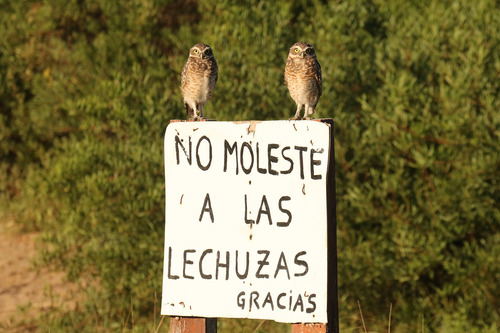 Burrowing Owl
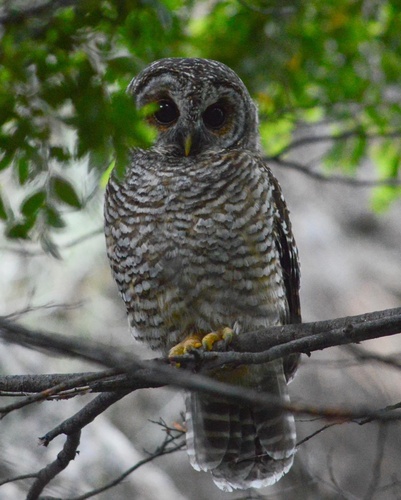 Rufous-legged Owl
In breve
Il segno di campo più affidabile per separare il Burrowing Owl dal Rufous-legged Owl è la struttura generale e la lunghezza delle gambe: il Burrowing Owl è notevolmente più piccolo, con gambe grigie molto lunghe ed esposte e una postura terrestre, mentre il Rufous-legged Owl è molto più robusto e compatto, con gambe piumate e una postura di gufo più tipica. I giovani Burrowing Owls mostrano una barra color crema sulla parte superiore dell'ala e mancano della maggior parte delle macchie bianche sopra, mentre i giovani Rufous-legged Owls sono di un caldo color crema con barre deboli e un volto fulvo. In tutte le età, il Burrowing Owl ha occhi gialli brillanti e un volto piatto con sopracciglia bianche, mentre il Rufous-legged Owl ha occhi marroni scuri inseriti in un disco facciale arrugginito. L'habitat è un altro forte indizio: il Burrowing Owl si trova in praterie aperte e secche e persino in campi urbani, mentre il Rufous-legged Owl è limitato a zone boschive nel sud America.
Consigli di identificazione
- Lunghezza e esposizione delle gambe: Il Burrowing Owl ha gambe grigie molto lunghe che sono chiaramente visibili e spesso esposte quando è in piedi o corre; le gambe del Rufous-legged Owl sono più corte e piumate, raramente visibili sul campo.
- Dimensioni e robustezza complessive: Il Rufous-legged Owl è molto più grande e pesante, con un corpo robusto e largo; il Burrowing Owl è piccolo, snello e dritto, solo un po' più grande di un American Robin.
- Piumaggio giovanile: I giovani Burrowing Owls mancano di macchie bianche sopra e barre marroni sotto, mostrando invece una barra color crema sulla parte superiore dell'ala e un petto color crema; i giovani Rufous-legged Owls sono di un caldo color crema con barre deboli e un volto fulvo—cerca la presenza o l'assenza di macchie bianche e il calore complessivo del piumaggio.
- Parte superiore degli adulti: Gli adulti Burrowing Owls sono marroni con macchie bianche sopra; i Rufous-legged Owls sono di un marrone rossiccio scuro con barre e macchie arancio-color crema strette—le macchie del Burrowing Owl sono più contrastanti ed estese.
- Disco facciale e colore degli occhi: Il Burrowing Owl ha un disco facciale piatto con sopracciglia bianche prominenti e occhi gialli brillanti; il Rufous-legged Owl ha un disco facciale arrugginito, 'sopracciglia' bianche sopra occhi marroni scuri e lore bianchi—il colore degli occhi è un separatore rapido a distanza ravvicinata.
- Mento e gola: Il Burrowing Owl mostra una macchia bianca sul mento, spesso espansa quando è agitato; il Rufous-legged Owl ha una gola bianca ma non una macchia distintiva sul mento.
- Parte inferiore: Le parti inferiori del Burrowing Owl sono bianche con macchie o barre marroni variabili; quelle del Rufous-legged Owl sono bianche color crema con molte barre nere e un ventriglio arancio-color crema—cerca la densità e il colore delle barre.
- Piumaggio delle gambe: Le gambe del Burrowing Owl sono nude e grigie; le gambe e le dita del Rufous-legged Owl sono coperte di piume color crema.
- Posa e postura: Il Burrowing Owl spesso sta dritto a terra o su posatoi bassi, a volte muovendo la testa; il Rufous-legged Owl si posa sugli alberi con una postura compatta e curvata.
- Contesto dell'habitat: Il Burrowing Owl si trova in aree aperte, secche, erbose o urbane; il Rufous-legged Owl è limitato alle foreste—la posizione da sola può spesso eliminare una specie.
- Comportamento: Il Burrowing Owl è diurno e attivo alla luce del giorno, spesso visto correre o volare basso su terreni aperti; il Rufous-legged Owl è notturno e raramente visto durante il giorno.
- Dimorfismo sessuale: Entrambe le specie mostrano poche differenze tra i sessi nel piumaggio, ma i maschi del Burrowing Owl possono apparire più chiari a causa della sbiaditura solare; la differenza di dimensioni è più pronunciata nel Rufous-legged Owl, con le femmine più grandi.
- Volo: In volo, il Burrowing Owl appare con ali lunghe e galleggianti per la sua dimensione, con macchie bianche evidenti; il Rufous-legged Owl ha ali più larghe e più potenti, con meno contrasto nella parte superiore dell'ala.
- Trappole: I giovani Burrowing Owls possono essere scambiati per altri piccoli gufi chiari, ma la combinazione di gambe lunghe, postura eretta e barra color crema sulla parte superiore dell'ala è distintiva; il piumaggio giovanile caldo color crema del Rufous-legged Owl e gli occhi scuri lo distinguono da qualsiasi classe di età del Burrowing Owl.
- Gamma geografica: Il Burrowing Owl è diffuso nelle Americhe, specialmente in campi aperti; il Rufous-legged Owl si trova solo nel sud America—la posizione può rapidamente restringere le opzioni.
Taglia
Il Burrowing Owl è molto più piccolo e leggero del Rufous-legged Owl. Il Burrowing Owl misura 19–28 cm (7–11 in) di lunghezza e pesa 140–240 g (5–8 oz) [wikipedia], mentre il Rufous-legged Owl è lungo 33–38 cm (13–15 in) e pesa circa 620 g (22 oz) [wikidata]. Il Rufous-legged Owl è quasi tre volte più pesante e sostanzialmente più lungo, apparendo molto più robusto e dal corpo largo sul campo.
Piumaggio
I giovani Burrowing Owls sono distintivi: mancano delle macchie bianche sopra e delle barre marroni sotto viste negli adulti, mostrando invece una barra color crema sulla parte superiore dell'ala e un petto color crema. I giovani Rufous-legged Owls sono di un caldo color crema complessivo con barre marroni deboli e un volto fulvo, mancando del contrasto netto bianco e marrone dei giovani Burrowing Owl. Gli adulti Burrowing Owls hanno teste e ali marroni con macchie bianche, sopracciglia bianche e una macchia bianca sul mento, con parti inferiori bianche variabilmente macchiate o barrate di marrone. Gli adulti Rufous-legged Owl hanno un disco facciale arrugginito, 'sopracciglia' bianche sopra occhi marroni scuri, e parti superiori di un marrone rossiccio scuro con barre e macchie arancio-color crema strette; le loro parti inferiori sono bianche color crema con molte barre nere, e le loro gambe e dita sono coperte di piume color crema. I Burrowing Owls hanno gambe grigie, lunghe ed esposte, mentre i Rufous-legged Owls hanno gambe piumate color crema. Anche il colore degli occhi è diagnostico: il Burrowing Owl ha occhi gialli brillanti, il Rufous-legged Owl ha occhi marroni scuri.
Comportamento
Il Burrowing Owl è principalmente terrestre, spesso visto in piedi a terra o su posatoi bassi, e frequentemente corre o salta piuttosto che volare quando disturbato. Utilizza facilmente habitat aperti modificati dall'uomo come campi da golf e praterie aeroportuali, e spesso si posa su pali o rocce. Il Rufous-legged Owl, al contrario, è un tipico gufo di foresta: è più riservato, si posa sugli alberi e raramente è visto a terra. La sua struttura compatta e robusta e le gambe piumate si adattano a uno stile di vita più arboricolo. Il Burrowing Owl è attivo durante il giorno (diurno e crepuscolare), mentre il Rufous-legged Owl è principalmente notturno.
Habitat
Il Burrowing Owl abita paesaggi aperti con vegetazione bassa—praterie, pascoli, deserti, campi agricoli e persino parchi e prati urbani. È raramente trovato nelle foreste. Il Rufous-legged Owl è limitato a habitat forestali nel sud America (Argentina e Cile), preferendo boschi densi e margini forestali. Trovare un piccolo gufo in un campo aperto e secco favorisce fortemente il Burrowing Owl; un gufo grande e compatto in habitat forestale indica il Rufous-legged Owl.
Burrowing Owl · Rufous-legged Owl · I miei uccelli difficili