

Buff-fronted Foliage-gleaner vs Rufous-fronted Thornbird
Dendroma rufa contro Phacellodomus rufifrons
Fai un quiz con Buff-fronted Foliage-gleaner e Rufous-fronted Thornbird
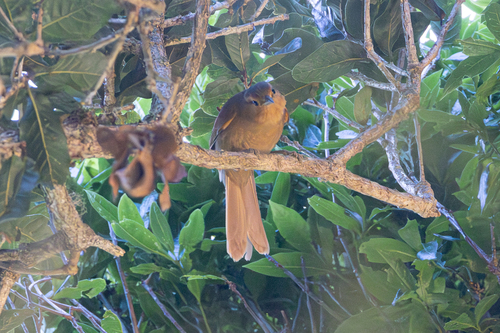 Buff-fronted Foliage-gleaner
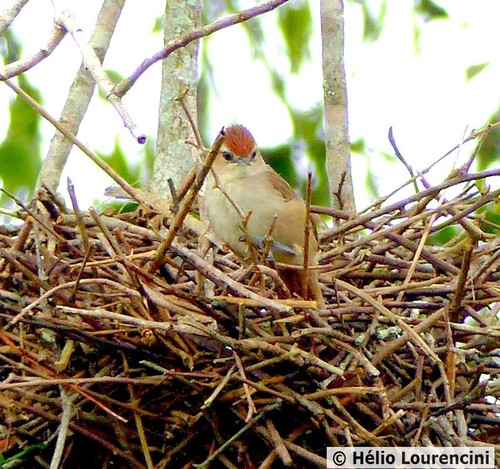 Rufous-fronted Thornbird
In breve
Il segno distintivo più affidabile per separare il Buff-fronted Foliage-gleaner dal Rufous-fronted Thornbird è la combinazione di un ampio supercilium e fronte color ocra (buff) luminosi nel foliage-gleaner, rispetto a una fronte rufous più stretta e scura e a un supercilium buff più opaco nel thornbird. In volo o posato, il foliage-gleaner mostra ali e coda rufous brillanti, mentre le ali e la coda del thornbird sono di un marrone più opaco con solo sottili toni rufous. I giovani Buff-fronted Foliage-gleaners hanno una corona più chiara e parti inferiori più rufescenti, ma mostrano ancora la banda frontale ocra, mentre i giovani thornbirds non hanno affatto la fronte rufous e hanno parti inferiori macchiate. Anche la struttura aiuta: il foliage-gleaner è più grande e massiccio, con un becco più robusto e un aspetto più robusto, rispetto al più snello e verticale thornbird. Entrambe le specie possono sovrapporsi in gamma e habitat, quindi prestare attenzione a questi dettagli di piumaggio e struttura è essenziale.
Consigli di identificazione
- Colore della fronte e del supercilium (tutte le età): Il Buff-fronted Foliage-gleaner mostra una fronte e un supercilium color ocra (buff) luminosi e ampi; il Rufous-fronted Thornbird ha una fronte rufous più stretta e scura e un supercilium buff opaco. I giovani thornbirds non hanno affatto la fronte rufous.
- Colore delle ali e della coda (adulti e immaturi): Le ali del foliage-gleaner sono rufous brillanti, in contrasto con le ali marroni più opache del thornbird. Anche la coda del foliage-gleaner è di un rufous marrone opaco con punte appuntite, mentre la coda del thornbird è marrone opaco, mostrando rufous solo in alcune sottospecie o come una macchia.
- Piumaggio giovanile: Il giovane foliage-gleaner ha una corona più chiara e parti inferiori più rufescenti, ma mantiene una banda frontale ocra (più stretta). Il giovane thornbird non ha alcun rufous sulla fronte e ha parti inferiori macchiate—se vedi un giovane uccello con una fronte semplice e chiara, è probabile che sia un thornbird.
- Colore delle parti inferiori: Le parti inferiori del foliage-gleaner sono di un ocra luminoso, specialmente sulla gola e sul petto, sfumando in un ocra più opaco sull'addome e sui fianchi. Le parti inferiori del thornbird sono bianche marronose con fianchi marronosi più ricchi e copritail pale; mai così brillanti o uniformi come quelle del foliage-gleaner.
- Corona e dorso: La corona del foliage-gleaner è di un grigio marrone opaco con striature deboli, e il suo dorso è marrone ocra. La corona del thornbird è marrone scuro con alcune striature più chiare, e il suo dorso è di un marrone scuro leggermente più chiaro—meno contrastato rispetto al foliage-gleaner.
- Struttura del becco: Il foliage-gleaner ha un becco più robusto e pesante, mentre il becco del thornbird è più snello e dritto. Questo è sottile ma visibile con buone viste.
- Dimensioni e aspetto: Il foliage-gleaner è più grande e massiccio (18–19 cm, 25–36 g), apparendo più robusto e deliberato nei movimenti. Il thornbird è più piccolo (16–17 cm, 18–31 g), più snello, e spesso si posiziona in modo verticale.
- Forma della coda: Le penne della coda del foliage-gleaner hanno punte appuntite; la coda del thornbird è più quadrata e manca di punte appuntite.
- Schema facciale: Il volto del foliage-gleaner è ocra con un ampio supercilium e copritail ocra; il volto del thornbird è di un buff-marrone chiaro con un supercilium buff opaco e lore grigio scuro.
- Viste in volo: In volo, cerca le ali e la coda rufous brillanti del foliage-gleaner rispetto alle ali e alla coda marroni più opache del thornbird. Alcune sottospecie di thornbird mostrano una macchia rufous sulle penne da volo, ma mai così estesa come quella del foliage-gleaner.
- Colore delle gambe e dei piedi: Il foliage-gleaner ha gambe e piedi di un verde oliva a grigio; quelli del thornbird sono grigi. Non sempre visibili sul campo.
- Vocalizzazioni: Il thornbird emette note alte e miagolanti 'stjew' e richiami acuti 'chip' o metallici 'tsi'. Se senti questi, sospetta il thornbird. La voce del foliage-gleaner non è descritta qui.
- Contesto dell'habitat: Il thornbird è più probabile in habitat aperti, secchi o cespugliosi e vicino a grandi nidi di rami. Il foliage-gleaner preferisce foreste più dense e interni boschivi, specialmente in aree umide. Usa solo come prova di supporto.
- Colore dell'iride: L'iride del foliage-gleaner varia da marrone grigiastro a castano; quella del thornbird è marrone a bianco grigiastro. Sottile e non sempre visibile.
- Variazione subspecifica: Entrambe le specie hanno sottospecie regionali con lievi differenze nel colore della fronte e del dorso, ma i contrasti principali sopra rimangono affidabili attraverso le loro gamme.
Taglia
Il Buff-fronted Foliage-gleaner è decisamente più grande, misurando 18–19 cm di lunghezza e pesando 25–36 g, rispetto al Rufous-fronted Thornbird che misura 16–17 cm e pesa 18–31 g. Il foliage-gleaner appare più massiccio e con un becco più pesante sul campo, mentre il thornbird è più snello e con una coda leggermente più corta. Queste differenze di dimensioni sono sottili a distanza ma diventano evidenti con buone viste o confronto diretto.
Piumaggio
Gli uccelli giovani sono un punto chiave di separazione: il giovane Buff-fronted Foliage-gleaner mantiene una banda frontale ocra stretta (anche se meno ampia rispetto all'adulto) e ha una corona più chiara con parti inferiori più rufescenti, mentre il giovane Rufous-fronted Thornbird non ha alcun rufous sulla fronte e mostra parti inferiori macchiate. Negli adulti, il foliage-gleaner ha una fronte e un supercilium ocra (buff) luminosi e ampi, una corona grigio marrone opaco, ali rufous brillanti e una coda marrone rufous opaca con punte appuntite. Le sue parti inferiori sono di un ocra ricco, più brillante sulla gola e sul petto. Il thornbird, al contrario, ha una fronte rufous scura (non ocra), un supercilium buff opaco, una corona marrone scuro con striature deboli, e ali e coda marroni opachi (il rufous è evidente solo in alcune sottospecie o come una macchia sulle penne da volo). Le sue parti inferiori sono bianche marronose con fianchi marronosi più ricchi e un undertail pallido. Esiste una variazione subspecifica in entrambi, ma il contrasto generale nel colore della fronte e nella luminosità delle ali è coerente.
Comportamento
Il Buff-fronted Foliage-gleaner tende a muoversi in modo metodico attraverso la fitta vegetazione, spesso in coppie o piccoli gruppi, e può apparire pesante e deliberato nei suoi movimenti. Il Rufous-fronted Thornbird è più probabile che si posi in modo verticale e visibile, a volte in aree aperte, e ha un aspetto più snello e attivo. Entrambe le specie si nutrono in modi simili, ma il thornbird può essere visto più frequentemente in habitat aperti o di margine, ed è spesso associato ai suoi grandi nidi di rami.
Habitat
Entrambe le specie si trovano in regioni sovrapposte del Sud America e possono essere trovate in habitat simili, inclusi i margini forestali, la crescita secondaria e i boschi. Tuttavia, il Rufous-fronted Thornbird è più probabile in habitat più secchi, aperti o cespugliosi, ed è spesso visto vicino ai suoi conspicui nidi di rami. Il Buff-fronted Foliage-gleaner è più strettamente legato a foreste più dense e interni boschivi, specialmente in aree umide. L'habitat da solo non è diagnostico ma può supportare l'identificazione quando combinato con piumaggio e struttura.
Voce
La voce del foliage-gleaner non è descritta nelle note fornite, quindi non può essere utilizzata in modo affidabile qui. Il Rufous-fronted Thornbird emette una serie distintiva e non strutturata di note alte e miagolanti 'stjew', così come richiami acuti 'chip' o metallici 'tsi'. Se senti queste note alte, miagolanti o metalliche, è più probabile che sia un thornbird, ma l'assenza di tali richiami non conferma il foliage-gleaner.
Buff-fronted Foliage-gleaner · Rufous-fronted Thornbird · I miei uccelli difficili