

Brown Creeper vs Rock Wren
Certhia americana contro Salpinctes obsoletus
Fai un quiz con Brown Creeper e Rock Wren
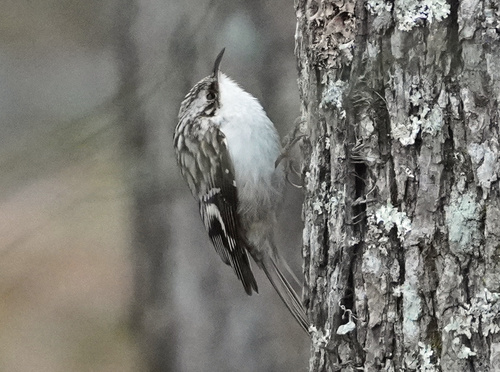 Brown Creeper
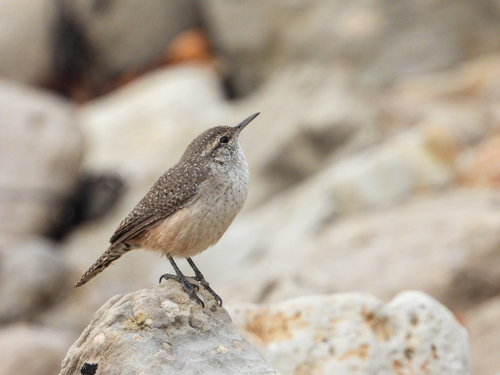 Rock Wren
In breve
Il segno distintivo più affidabile tra Brown Creeper e Rock Wren è la struttura generale e il comportamento di foraggiamento: il Brown Creeper è un uccello minuscolo, snello e color corteccia che si arrampica verso l'alto sui tronchi degli alberi, usando la sua coda rigida per supporto, mentre il Rock Wren è un uccello più grande, rotondo e pallido con un lungo becco e una coda barrata, tipicamente visto saltellare tra le rocce. Le piume giovanili non sono fortemente distintive tra questi due, ma le parti superiori criptiche e mimetiche del Brown Creeper e le parti inferiori bianche contrastano con le parti superiori grigio-marroni e macchiate del Rock Wren e le parti inferiori grigio pallido, leggermente macchiate. In volo, il Brown Creeper è debole e svolazzante, spesso abbracciando il tronco, mentre il Rock Wren è più diretto e rimbalzante. L'habitat è un forte indizio: il Brown Creeper si attiene a foreste mature, mentre il Rock Wren si trova in aree aperte e rocciose. Anche le loro vocalizzazioni sono abbastanza diverse, con i richiami alti e sottili del Brown Creeper e le canzoni variate e trilli del Rock Wren.
Consigli di identificazione
- Foraging behavior: Il Brown Creeper si arrampica verso l'alto in una spirale sui tronchi degli alberi, usando la sua coda rigida per supporto; il Rock Wren salta o corre tra le rocce, senza mai arrampicarsi verticalmente. Se vedi un uccello che si muove su un tronco d'albero, è quasi certamente un Brown Creeper.
- Tail structure: Il Brown Creeper ha una lunga coda rigida e appuntita usata come supporto contro la corteccia; il Rock Wren ha una lunga coda barrata spesso tenuta sollevata, con copritail a strisce zebra. La coda del Brown Creeper non è mai barrata.
- Bill shape: Il becco del Brown Creeper è lungo, sottile e leggermente ricurvo, ideale per sondare la corteccia; il becco del Rock Wren è lungo e dritto, appuntito, ma non così snello o ricurvo.
- Plumage above: Il Brown Creeper è marrone con leggeri punti, perfettamente criptico contro la corteccia degli alberi; il Rock Wren è grigio-marrone con piccole macchie nere e bianche, più chiaro nel complesso e mai così simile alla corteccia.
- Plumage below: Il Brown Creeper ha parti inferiori bianche pulite; il Rock Wren è grigio pallido sotto, con una gola macchiata e a volte una leggera sfumatura color crema nei giovanili.
- Supercilium (eyebrow): Il Rock Wren ha una linea grigio pallido distintiva attraverso l'occhio; il Brown Creeper non ha un forte supercilium.
- Tail barring: Solo il Rock Wren mostra una coda chiaramente barrata e copritail a strisce zebra; la coda del Brown Creeper è semplice.
- Juvenile plumage: I giovanili Rock Wren sono più pelosi, con una sfumatura color crema e mancano di strisce scure sulle parti inferiori; i giovanili Brown Creeper assomigliano agli adulti, con parti superiori criptiche e bianche sotto.
- Flight style: Il Brown Creeper vola debolmente, abbracciando i tronchi e facendo brevi voli svolazzanti; il Rock Wren vola più direttamente e rimbalza tra le rocce.
- Habitat: Il Brown Creeper si trova in foreste mature, specialmente con abete, abete rosso o pino; il Rock Wren si trova in aree aperte e rocciose, mai in foreste dense.
- Vocalizations: I richiami e la canzone del Brown Creeper sono molto acuti e sottili, spesso difficili da sentire; la canzone del Rock Wren è un'esplosione variata e trillata, di tono più basso e più complessa, con una varietà di tipi di richiami.
- Size: Il Rock Wren è quasi due volte più pesante e ha un'apertura alare molto più ampia rispetto al Brown Creeper; in un confronto diretto, il Brown Creeper è minuscolo e delicato.
- Perched posture: Il Brown Creeper si aggrappa verticalmente alla corteccia, con la coda premuta contro il tronco; il Rock Wren si posiziona orizzontalmente su rocce o sul terreno, con la coda spesso sollevata.
- Context: Se vedi un piccolo uccello su un tronco d'albero in una foresta profonda, è quasi certamente un Brown Creeper; se è tra le rocce in un paese aperto, è un Rock Wren.
- Sex differences: Non sono fortemente diagnostiche sul campo, ma i maschi di Brown Creeper hanno becchi leggermente più lunghi; le femmine di Rock Wren sono leggermente più pesanti e hanno becchi e code più corti, ma questi sono sottili e non affidabili per l'identificazione sul campo.
Taglia
Il Rock Wren è significativamente più grande e pesante del Brown Creeper. Il Rock Wren misura 12.5–15 cm di lunghezza con un'apertura alare di 22–24 cm e una massa corporea di circa 16.5 g [wikidata], mentre il Brown Creeper è più piccolo con 12–14 cm di lunghezza, apertura alare di 17–20 cm e una massa molto più leggera (5.7–8.5 g) [wikipedia]. Sul campo, il Rock Wren appare più robusto e massiccio, con un becco e una coda più lunghi, mentre il Brown Creeper è minuscolo, snello e delicato.
Piumaggio
Le piume giovanili non sono fortemente diagnostiche tra questi due, ma esistono alcuni contrasti: i giovanili Rock Wren sono leggermente più pelosi, con una sfumatura color crema più vibrante e mancano delle strisce scure e delle macchie sulle parti inferiori viste negli adulti. I giovanili Brown Creeper assomigliano agli adulti, con parti superiori criptiche marroni e parti inferiori bianche. L'adulto Brown Creeper è marrone sopra con leggeri punti, fondendosi perfettamente con la corteccia degli alberi, e ha una pancia bianca. Il suo lungo, sottile, leggermente ricurvo becco e la coda rigida e appuntita sono distintivi. Gli adulti Rock Wren hanno parti superiori grigio-marroni con piccole macchie nere e bianche, una gola grigio pallido con macchie, un sopracciglio grigio chiaro e una lunga coda barrata con copritail a strisce zebra. Le parti inferiori sono grigio pallido, mai bianche pure come nel Brown Creeper. In tutte le età, il piumaggio del Rock Wren è più chiaro e meno criptico rispetto a quello del Brown Creeper, e la barratura della coda è un segno utile per il Rock Wren.
Comportamento
Il Brown Creeper è quasi sempre visto arrampicarsi sui tronchi degli alberi in una spirale, usando la sua coda rigida per supporto, e raramente si posa orizzontalmente. Si nutre sondando le fessure della corteccia con il suo becco sottile e ricurvo. In volo, si muove debolmente da tronco a tronco, spesso scendendo e risalendo di nuovo. Il Rock Wren, d'altra parte, è tipicamente visto su o tra le rocce, saltellando o correndo con un passo rimbalzante, con la coda spesso sollevata. Non si arrampica verticalmente ed è raramente visto sugli alberi. Il suo foraggiamento è più terrestre, sondando le fessure e raccogliendo insetti dalle superfici rocciose. In volo, il Rock Wren è più diretto e meno svolazzante rispetto al Brown Creeper.
Habitat
L'habitat è un forte separatore. Il Brown Creeper è un uccello esclusivamente forestale, che favorisce le foreste mature di abete, abete rosso o pino, ed è raramente trovato lontano da ampie foreste intatte. Evita i bordi e le aree aperte. Il Rock Wren si trova in habitat aperti e rocciosi—canyon, campi di massi, pendii di detriti e colline aride—quasi mai in foreste dense o sui tronchi degli alberi. Se vedi un piccolo uccello su un tronco d'albero in una foresta matura, è quasi certamente un Brown Creeper; se è tra le rocce in un paese aperto, è un Rock Wren.
Voce
Il Brown Creeper emette richiami molto acuti, sottili e brevi (see o swee) e una canzone di diverse note alte e rapide (pee pee willow wee o see tidle swee), spesso difficile da sentire per alcune persone. La sua canzone è breve, con una cadenza e poche sillabe. I maschi di Rock Wren cantano una canzone molto più variata e trillata, con esplosioni di sillabe ripetute e un repertorio di molti tipi; i loro richiami includono tic-ear/spit-tee, trilli ruvidi, chiacchiere e note aggressive k'chee. La canzone del Rock Wren è più lunga, più complessa e di tono più basso rispetto a quella del Brown Creeper, ed è spesso eseguita da rocce esposte.