

Brown-breasted Flycatcher vs Indian Robin
Muscicapa muttui contro Copsychus fulicatus
Fai un quiz con Brown-breasted Flycatcher e Indian Robin
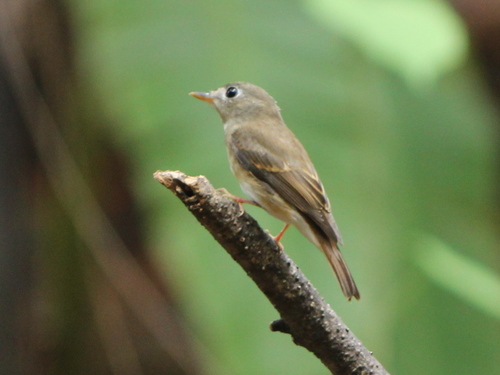 Brown-breasted Flycatcher
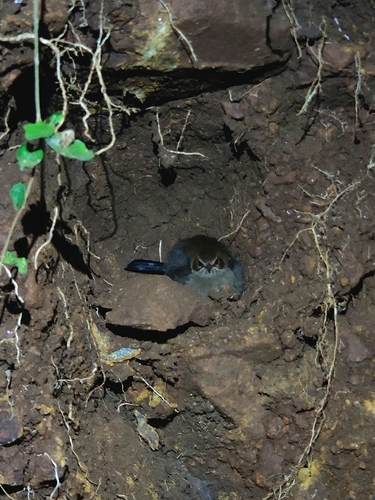 Indian Robin
In breve
Il segno di campo più affidabile per separare il Brown-breasted Flycatcher dall'Indian Robin è la struttura generale e il contrasto del piumaggio: il flycatcher è un uccello piccolo e compatto con parti superiori di colore oliva-marrone, parti inferiori chiare e un anello oculare pallido e conspicuo, mentre l'Indian Robin è più eretto, con i maschi che mostrano parti superiori nere o marroni (a seconda della regione), una macchia bianca sulla spalla (solo nei maschi) e copritail di castano ricco. I giovani e le femmine di Indian Robin sono marroni ma rimangono più robusti e con una coda più lunga rispetto al flycatcher. In volo o posato, le sottili tonalità rugginose del flycatcher su coda e bordi delle ali non si avvicinano mai al castano audace dell'robin. Il colore delle gambe è un dettaglio chiave: il Brown-breasted Flycatcher ha gambe di colore carne pallido, mentre quelle dell'Indian Robin sono scure. Se vedi un uccello che salta basso nell'ombra della foresta, è probabile che sia il flycatcher; se sta camminando o sollevando la coda in un paese aperto, è il robin.
Consigli di identificazione
- Colore delle gambe: il Brown-breasted Flycatcher ha gambe di colore carne pallido; l'Indian Robin ha gambe scure. Questo è un segno affidabile a distanza ravvicinata.
- Coda e copritail: l'Indian Robin mostra sempre copritail di castano ricco, specialmente quando la coda è sollevata; il rugginoso del flycatcher è limitato ai bordi della coda e non forma mai una macchia solida.
- Anello oculare: il flycatcher ha un anello oculare pallido e conspicuo; il robin manca di questa caratteristica.
- Struttura generale: il flycatcher è piccolo, compatto, con una coda corta e un becco delicato; il robin è più grande, eretto e con una coda lunga.
- Macchia bianca sulla spalla: i maschi di Indian Robin hanno una macchia o striscia bianca sulla spalla (variabile con la postura); assente nel flycatcher e nelle femmine/giovani di robin.
- Contrasto del piumaggio: il flycatcher è oliva-marrone sopra, chiaro sotto, con sottile rugginoso sui bordi della coda; i maschi di robin sono neri o marroni sopra (a seconda della regione), le femmine e i giovani sono marroni ma rimangono più robusti.
- Comportamento: il flycatcher cerca cibo silenziosamente nella foresta ombrosa, raramente muove la coda; il robin è attivo, si posa in aperto e spesso solleva la coda in posizione verticale.
- Habitat: il flycatcher è un uccello di foresta, specialmente sotto la chioma; il robin si trova in paesi aperti, giardini e aree rocciose.
- Vocalizzazione: il richiamo del flycatcher è un debole tseet o chi-chi-chi-chi, appena udibile; il canto del robin è più forte, più musicale e spesso udito durante la stagione di riproduzione.
- Colore del petto e dell'addome: il flycatcher ha un petto marrone chiaro e un addome bianco pallido; le femmine e i giovani di robin sono grigi sotto con un ventrale castano più chiaro.
- Becco: il becco del flycatcher è fine e tipico dei flycatcher insettivori; il becco del robin è più robusto.
- Stile di volo: il flycatcher compie brevi e diretti salti da posatoi bassi; il robin vola con battiti d'ali lenti tra i posatoi, spesso in aperto.
- Dimorfismo sessuale: solo il robin mostra un forte dimorfismo sessuale (maschi con spalla bianca e parti superiori nere/marroni); i sessi del flycatcher sono simili.
- Confusione giovanile: i giovani robin possono essere confusi con il flycatcher a causa delle tonalità marroni, ma rimangono più robusti, con una coda più lunga e mancano dell'anello oculare pallido e del piumaggio sottile del flycatcher.
- Contesto: se osservato in una foresta densa, specialmente all'ombra, sospetta il flycatcher; in aree aperte o semiaperte, il robin è molto più probabile.
Taglia
Il Brown-breasted Flycatcher è visibilmente più piccolo e leggero, con una massa corporea di circa 12 g e una lunghezza di 13–14 cm. L'Indian Robin è più grande e robusto, con una coda visibilmente più lunga (6–8 cm) e una postura più eretta. La dimensione e la forma del robin ricordano di più un piccolo tordo o un chat, mentre il flycatcher è compatto e delicato, tipico dei flycatcher Muscicapa.
Piumaggio
I giovani e le femmine di Indian Robin sono marroni sopra e grigi sotto, con un ventrale castano più chiaro, ma rimangono più robusti e con una coda più lunga rispetto al flycatcher. I maschi sono notevolmente diversi: i maschi settentrionali hanno schiene marroni, i maschi meridionali sono completamente neri sopra, entrambi con una macchia bianca sulla spalla e copritail di castano ricco (sempre visibili quando la coda è sollevata). Il Brown-breasted Flycatcher di tutte le età è oliva-marrone sopra con un sottile rugginoso sui bordi della coda e delle ali, un anello oculare pallido e parti inferiori chiare (gola bianca, petto marrone chiaro, addome buffo). Il piumaggio del flycatcher è sempre morbido e sobrio, non mostrando mai i contrasti audaci del robin o la spalla bianca. Il rugginoso del flycatcher è limitato ai bordi della coda e ai copritail superiori, non formando mai una macchia solida. Non si nota alcun motivo distintivo sulle ali superiori per nessuna delle due specie nel piumaggio giovanile o adulto.
Comportamento
Il Brown-breasted Flycatcher è tipicamente visto cercare cibo silenziosamente sotto la chioma della foresta, spesso vicino al suolo, compiendo brevi salti per gli insetti. Si posa in modo discreto e raramente muove la coda. L'Indian Robin è molto più evidente, spesso trovato in paesi aperti, posato in modo prominente su rocce o muri, e frequentemente sollevando la sua lunga coda in posizione verticale per mostrare i copritail di castano. I maschi possono cantare e mostrarsi camminando e gonfiando i copritail, specialmente durante la stagione di riproduzione.
Habitat
Il Brown-breasted Flycatcher preferisce habitat forestali, specialmente aree ombreggiate sotto la chioma, ed è raramente visto in paesi aperti. L'Indian Robin è diffuso in habitat aperti in tutto il subcontinente indiano, inclusi cespugli, giardini, aree rocciose e persino ambienti urbani. Se trovi l'uccello in una foresta densa, è molto più probabile che sia il flycatcher; in paesaggi aperti o modificati dall'uomo, ci si aspetta il robin.
Voce
Il Brown-breasted Flycatcher ha un tseet molto debole, udibile solo a distanza ravvicinata, e una serie di note chi-chi-chi-chi che terminano con un basso chit-chit. I maschi di Indian Robin cantano canzoni più complesse, specialmente durante la stagione di riproduzione, con varianti per l'attrazione del partner e la difesa del territorio. Il canto del robin è più forte e più musicale, mentre i richiami del flycatcher sono morbidi e facilmente trascurabili.
Brown-breasted Flycatcher · Indian Robin · I miei uccelli difficili