

Brown-breasted Flycatcher vs Brown-streaked Flycatcher
Muscicapa muttui contro Muscicapa williamsoni
Fai un quiz con Brown-breasted Flycatcher e Brown-streaked Flycatcher
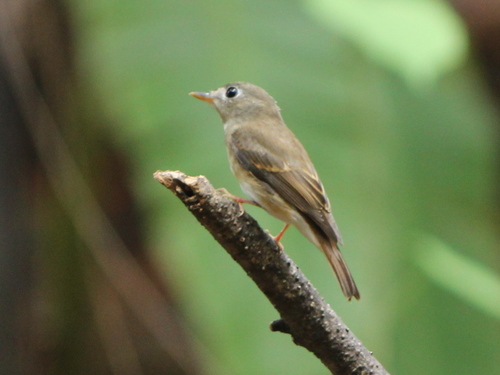 Brown-breasted Flycatcher
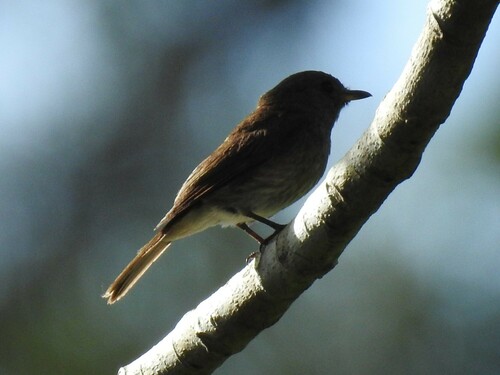 Brown-streaked Flycatcher
In breve
Il segno di campo più affidabile per separare il Brown-breasted Flycatcher dal Brown-streaked Flycatcher è il colore delle zampe: il Brown-breasted ha zampe di colore carne pallido, mentre il Brown-streaked (come l'Asian Brown Flycatcher) si prevede abbia zampe più scure, anche se questo non è confermato esplicitamente per il Brown-streaked. Il Brown-breasted mostra anche un anello oculare pallido e lore pallidi, con un distintivo petto marrone che contrasta con un ventre bianco pallido. Il Brown-streaked Flycatcher è rufescente in piumaggio nuziale ma diventa grigio in altri periodi, potenzialmente sovrapponendosi al Brown-breasted in opacità. Entrambe le specie sono piccoli e semplici Muscicapa, e la confusione è più probabile quando si osservano uccelli in piumaggio non nuziale o in sottoboschi ombreggiati. Concentrati sul colore delle zampe, sull'anello oculare e sui toni sottili del piumaggio per una migliore separazione.
Consigli di identificazione
- Leg color: Il Brown-breasted Flycatcher ha zampe di colore carne pallido, un segno di campo chiave; il Brown-streaked è probabile che abbia zampe più scure (come l'Asian Brown Flycatcher), ma questo non è confermato esplicitamente. Controlla sempre il colore delle zampe in buona luce.
- Eye-ring: Il Brown-breasted mostra un anello oculare pallido e evidente, che è spesso ovvio sul campo. L'anello oculare del Brown-streaked non è descritto, ma se meno distintivo, questo può essere un separatore utile.
- Lores: Le lore pallide sono caratteristiche del Brown-breasted; controlla questo segno sottile in visioni ravvicinate.
- Breast color: Il Brown-breasted ha un petto marrone chiaro che contrasta con un ventre bianco pallido. Il Brown-streaked può essere più uniformemente marrone o rufescente, specialmente in piumaggio nuziale, e meno nettamente demarcato.
- Rufous tones: Il Brown-breasted mostra un rufescente più brillante sulle copritrici della coda superiore e sui bordi delle penne da volo; cerca questi in buona luce. Il Brown-streaked è descritto come rufescente in stagione di nidificazione, quindi questo segno non è sempre affidabile.
- Streaking: Il nome del Brown-streaked suggerisce alcune striature sul petto, ma questo non è dettagliato nelle note. Se visibili, le striature favorirebbero il Brown-streaked, ma l'assenza non lo esclude.
- Seasonal plumage: Il Brown-streaked è rufescente in stagione di nidificazione e grigio altrimenti; il Brown-breasted è più costantemente marrone oliva. In stagione non nuziale, entrambi possono apparire opachi, quindi fai affidamento su segni strutturali e facciali.
- Size and structure: Entrambi sono piccoli, compatti e di dimensioni simili. Non usare la dimensione come separatore.
- Flight and wing pattern: Non sono descritti segni distintivi specifici per età per il pattern delle ali o del volo per nessuna delle due specie. Non fare affidamento sul pattern della parte superiore dell'ala per la separazione.
- Voice: Solo il richiamo del Brown-breasted è descritto (note molto deboli e acute). Se senti questo, potrebbe supportare il Brown-breasted, ma il silenzio o richiami sconosciuti non confermano il Brown-streaked.
- Habitat and range: Usa l'areale come indizio di supporto: il Brown-breasted è più probabile in India settentrionale, Cina e Sri Lanka; il Brown-streaked in Myanmar meridionale, Thailandia, Malesia e Borneo. Nelle zone di sovrapposizione, non fare affidamento solo sull'areale.
- Context: Entrambe le specie preferiscono il sottobosco forestale e si nutrono in basso. Il contesto comportamentale non è utile per la separazione.
- Pitfalls: Il Brown-streaked opaco o non nuziale può assomigliare molto al Brown-breasted. Controlla sempre più caratteristiche, specialmente il colore delle zampe e il pattern facciale, prima di fare un'identificazione.
- Sex and age: Non sono descritti segni specifici per sesso o giovanili per nessuna delle due specie. Assumi che tutte le età e i sessi siano simili nei segni di campo.
- Lighting and viewing conditions: Segni sottili come il colore delle zampe e l'anello oculare possono essere difficili da vedere in ombra. Cerca di osservare da più angolazioni e in buona luce per i migliori risultati.
Taglia
Il Brown-breasted Flycatcher pesa in media 12 g e misura 13–14 cm di lunghezza [wikidata][wikipedia]. Non è disponibile alcuna misura diretta per il Brown-streaked Flycatcher, ma essendo un vicino parente del Muscicapa, è probabile che sia simile in dimensioni. In condizioni di campo, la dimensione da sola non è un separatore affidabile tra queste due specie.
Piumaggio
Le piume giovanili e immature non sono descritte in dettaglio per nessuna delle due specie, quindi non sono disponibili segni specifici per età per le ali superiori o il pattern di volo per separarle. Per gli adulti, il Brown-breasted Flycatcher ha parti superiori marrone oliva con un rufescente più brillante sulle copritrici della coda superiore e sui bordi delle penne da volo, e un petto marrone chiaro che contrasta con un ventre bianco pallido. Le lore pallide e l'anello oculare evidente sono notevoli. Il Brown-streaked Flycatcher è rufescente (marrone-rossiccio) in piumaggio nuziale ma diventa grigio al di fuori della stagione di nidificazione, potenzialmente assomigliando ai toni attenuati del Brown-breasted. Il grado di striature sul petto non è descritto per il Brown-streaked, ma il suo nome suggerisce che alcune striature possano essere presenti. In sintesi, il Brown-breasted è più probabile che mostri un chiaro anello oculare pallido, lore pallidi e un distintivo petto marrone, mentre il Brown-streaked può apparire più uniformemente marrone o rufescente durante la nidificazione, e meno distintivo quando è grigio.
Comportamento
Entrambe le specie sono tipici Muscicapa, nutrendosi di insetti sotto la chioma forestale e spesso vicino al suolo della foresta. Non sono descritte differenze comportamentali che possano separarle in modo affidabile sul campo.
Habitat
Il Brown-breasted Flycatcher nidifica nel nord-est dell'India, nella Cina centrale e meridionale, nel nord della Birmania e in Thailandia, e sverna nel sud dell'India e nello Sri Lanka [wikipedia]. Il Brown-streaked Flycatcher si trova nel Myanmar meridionale, nella Thailandia meridionale, nel nord della Malesia peninsulare e nel nord-est del Borneo [wikipedia]. I loro areali si sovrappongono nel Myanmar meridionale e in Thailandia, ma il Brown-streaked è più a sud-est e il Brown-breasted più a nord e a ovest. Entrambi preferiscono habitat forestali, specialmente sotto la chioma, quindi l'habitat da solo non è diagnostico dove i loro areali si sovrappongono.
Voce
Il Brown-breasted Flycatcher emette un molto debole 'tseet' o una serie di note 'chi-chi-chi-chi' che terminano con un basso 'chit-chit' [wikipedia]. Non è disponibile alcuna descrizione vocale per il Brown-streaked Flycatcher. Le vocalizzazioni sono poco probabili da essere utili per la separazione a meno che il Brown-streaked non venga confermato come avente un suono distintamente diverso.
Brown-breasted Flycatcher · Brown-streaked Flycatcher · I miei uccelli difficili