

Broad-billed Prion vs Antarctic Prion
Pachyptila vittata contro Pachyptila desolata
Fai un quiz con Broad-billed Prion e Antarctic Prion
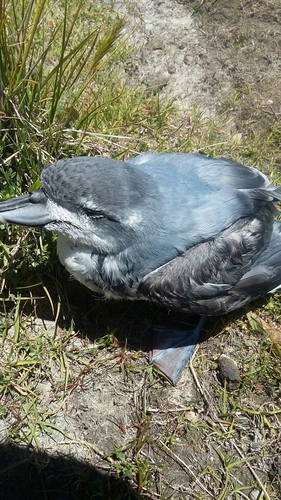 Broad-billed Prion
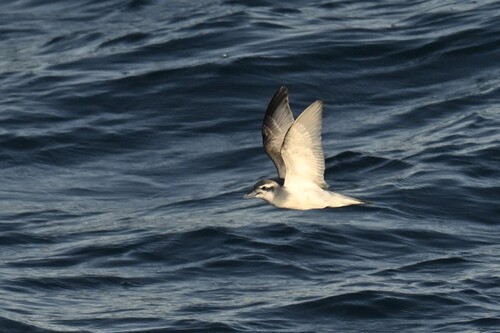 Antarctic Prion
In breve
Il segno distintivo più affidabile per separare il Broad-billed Prion dall'Antarctic Prion è il becco: il Broad-billed Prion ha un becco molto più pesante e largo che spesso appare grigio ferro o nerastro, mentre il becco dell'Antarctic Prion è più snello e blu-grigio. Entrambe le specie sono molto simili nel piumaggio, con parti superiori blu-grigio, parti inferiori bianche e una 'M' scura sulle ali, ma il Broad-billed Prion tende ad avere un motivo della testa più distintivo e una banda della coda meno estesa. Le dimensioni si sovrappongono, ma il Broad-billed Prion è generalmente più pesante e leggermente più grande. Sul campo, concentrati sulla struttura del becco e sulle sottili differenze nei motivi della testa e della coda, poiché il piumaggio e lo stile di volo sono altrimenti molto simili.
Consigli di identificazione
- Forma e dimensione del becco: Il Broad-billed Prion ha un becco visibilmente più largo e pesante, che spesso appare grigio ferro o nerastro da lontano. Il becco dell'Antarctic Prion è più snello e blu-grigio. Questo è il segno distintivo più consistente, specialmente a distanza ravvicinata o in buona luce.
- Motivo della testa: Il Broad-billed Prion mostra un motivo della testa più distintivo con una forte corona grigia e una striscia scura attorno all'occhio, mentre l'Antarctic Prion ha un sopracciglio bianco e una corona meno contrastante. Usa questo in buone condizioni di visione, ma fai attenzione alla luce e all'usura delle piume.
- Banda della coda: Il Broad-billed Prion ha una banda della coda nera meno estesa, mentre la coda dell'Antarctic Prion è descritta come un cuneo grigio con una punta nera. Questo è sottile e spesso difficile da giudicare a meno che l'uccello non apra la coda.
- Colorazione delle copritrici maggiori: Le copritrici maggiori dell'Antarctic Prion sono descritte come quasi nere, ma questo non è segnalato come una differenza rispetto al Broad-billed Prion, quindi non fare affidamento su questo segno.
- Colore dei piedi: L'Antarctic Prion ha piedi blu, ma questo è raramente visibile sul campo.
- Colore del becco: Il becco dell'Antarctic Prion è blu-grigio, quello del Broad-billed Prion è grigio ferro a nerastro. Il colore può essere difficile da giudicare in mare, ma la forma è più affidabile.
- Dimensione e robustezza: Il Broad-billed Prion è più pesante e leggermente più robusto, ma la sovrapposizione delle dimensioni è significativa. Usa questo solo se hai un confronto diretto.
- Stile di volo: Entrambe le specie hanno schemi di volo simili, galleggianti e plananti, quindi questo non è diagnostico.
- Motivo del piumaggio: Entrambi hanno parti superiori blu-grigio, parti inferiori bianche e una 'M' scura sulle ali superiori e sulla schiena. Non usare questi segni per separarli.
- Piumaggio giovanile/immaturo: Non ci sono segni distintivi specifici per l'età sulle ali superiori o sui voli descritti per nessuna delle due specie, quindi l'età non aiuta a separarle.
- Contesto: Entrambi sono pelagici e si sovrappongono nell'areale; il contesto non aiuta.
- Sesso: I sessi sono simili in entrambe le specie.
- Comportamento in mare: Il Broad-billed Prion può essere visto idroplanando con il becco nell'acqua, ma questo non è esclusivo.
- Associazione con le barche: Nessuna delle due specie è un seguace regolare delle barche da pesca.
- Quando in dubbio: Se il becco appare eccezionalmente largo e pesante, favorire il Broad-billed Prion; se è più snello e blu-grigio, favorire l'Antarctic Prion. Se la vista è scarsa o distante, potrebbe non essere possibile separarli in modo affidabile.
Taglia
Il Broad-billed Prion è il prione più grande, misurando 25–30 cm di lunghezza con un'apertura alare di 57–66 cm e pesando 160–235 g. L'Antarctic Prion è anche grande per un prione, con circa 27 cm di lunghezza, apertura alare di 61–66 cm e massa di 150–160 g. Sebbene le loro lunghezze e aperture alari si sovrappongano, il Broad-billed Prion è tipicamente più pesante e robusto, ma questa differenza è sottile e non sempre evidente sul campo a meno che non siano visti fianco a fianco. Entrambi sono più grandi della maggior parte degli altri prioni, ma il Broad-billed Prion è il più robusto dei due.
Piumaggio
Entrambe le specie condividono l'aspetto classico del prione: parti superiori blu-grigio, parti inferiori bianche e una 'M' scura sulle ali superiori e sulla schiena. Non ci sono motivi specifici per l'età notati per nessuna delle due specie che consentano una facile separazione in volo, anche tra i giovanili o immaturi. Il Broad-billed Prion mostra un motivo della testa più distintivo, con una corona grigia più forte e una striscia scura attorno all'occhio, e una banda della coda nera meno estesa rispetto all'Antarctic Prion. L'Antarctic Prion ha un sopracciglio bianco, un becco blu-grigio, piedi blu e una coda a forma di cuneo grigia con una punta nera; le sue copritrici maggiori sono quasi nere, ma questo non è notato come diverso rispetto al Broad-billed. In pratica, queste differenze nel piumaggio sono sottili e possono essere difficili da giudicare in mare o in scarsa luce.
Comportamento
Entrambe le specie sono pelagiche e gregarie, nutrendosi principalmente di zooplancton filtrando l'acqua attraverso i loro becchi. Il Broad-billed Prion è noto per l'idroplanaggio, volando con il becco nell'acqua per raschiare e filtrare il cibo. Anche l'Antarctic Prion filtra lo zooplancton, ma non è descritto alcun comportamento alimentare unico. Nessuna delle due specie è nota per seguire regolarmente le barche da pesca. In volo, entrambe mostrano schemi galleggianti e plananti simili, tipici dei prioni.
Habitat
Entrambe le specie sono uccelli marini pelagici dell'Oceano Australe, raramente visti vicino alla terra se non nelle colonie di nidificazione. Non ci sono differenze di habitat che aiutino nella separazione sul campo.
Broad-billed Prion · Antarctic Prion · I miei uccelli difficili