

Bridled Tern vs Least Tern
Onychoprion anaethetus contro Sternula antillarum
Fai un quiz con Bridled Tern e Least Tern
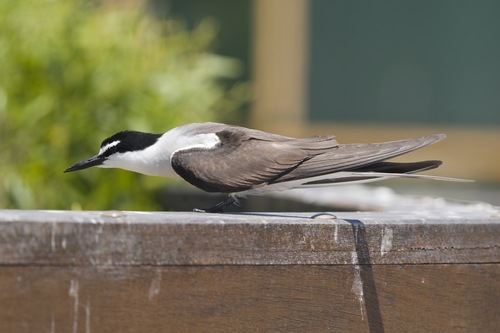 Bridled Tern
 Least Tern
In breve
Il segno distintivo più affidabile è la dimensione e la struttura: il Bridled Tern è molto più grande e robusto rispetto al Least Tern, con ali più lunghe e una coda profondamente biforcuta. In volo, il Bridled Tern mostra parti superiori grigio scuro e un distintivo collare chiaro sul collo posteriore, mentre il Least Tern è molto più chiaro sopra con una costruzione più piccola e compatta e una coda corta e dritta. I giovani Bridled Tern sono grigi squamosi sopra, mentre i giovani Least Tern non sono descritti in questo modo. Anche il colore del becco e delle gambe sono fondamentali: il Bridled Tern ha un becco e gambe neri, mentre il Least Tern ha un becco giallo (con una punta nera in estate) e gambe giallastre. Queste differenze sono visibili a distanza e sono coerenti tra le età e le stagioni.
Consigli di identificazione
- Dimensione e robustezza: Il Bridled Tern è molto più grande e pesante del Least Tern. Se l'uccello appare piccolo, delicato e veloce, è probabile che sia un Least Tern. La dimensione è affidabile a distanza moderata.
- Colore del becco: Il Bridled Tern ha sempre un becco nero; il Least Tern ha un becco giallo con una punta nera in estate, che diventa più scuro in inverno. Il colore del becco è visibile a distanza ravvicinata o media ed è diagnostico durante la stagione di nidificazione.
- Colore delle gambe: Le gambe del Bridled Tern sono nere; quelle del Least Tern sono giallastre. Questo è meglio visibile quando gli uccelli sono appollaiati o a terra.
- Colore delle parti superiori: Il Bridled Tern ha parti superiori grigio scuro, notevolmente più scure rispetto al dorso e alle ali grigio chiaro uniforme del Least Tern. In buona luce, questo contrasto è chiaro.
- Collare sul collo posteriore: Il Bridled Tern mostra un collare bianco sorprendente sul collo posteriore, assente nel Least Tern. Questo è un segno chiave in tutte le livree.
- Fronte e sopracciglio: Il Bridled Tern ha una fronte e un sopracciglio bianchi stretti, mentre il Least Tern ha una macchia bianca sulla fronte sopra il becco e una linea nera attraverso l'occhio. Il modello facciale del Bridled è più nettamente definito e include il collare.
- Forma della coda: Il Bridled Tern ha una coda profondamente biforcuta, più lunga e appuntita rispetto alla coda corta e dritta del Least Tern. La forma della coda è meglio giudicata in volo o quando è appollaiata con la coda aperta.
- Schema delle ali: Il Least Tern mostra ali grigio chiaro con marcature nere sulle primarie esterne; le ali del Bridled Tern sono grigio scuro, in abbinamento con il dorso, senza forti pannelli contrastanti. Questo è visibile in volo.
- Livrea giovanile: Il giovane Bridled Tern è grigio squamoso sopra, una caratteristica non trovata nei giovani Least Tern. Se vedi un giovane gabbiano con il dorso squamoso, è un Bridled.
- Stile di volo: Il Least Tern vola con battiti d'ala rapidi e irregolari e una postura curvata, con il becco inclinato verso il basso. Il Bridled Tern è più languido e grazioso, con ali più lunghe e appuntite.
- Habitat: Il Bridled Tern è strettamente tropicale e oceanico, raramente visto nell'entroterra. Il Least Tern si trova in Nord America, spesso in estuari, lagune e spiagge sabbiose, a volte nell'entroterra.
- Cambiamenti stagionali: Il becco e la fronte del Least Tern diventano più scuri e più bianchi, rispettivamente, in inverno; i segni chiave del Bridled Tern rimangono costanti durante tutto l'anno.
- Postura da appollaiato: Il Least Tern appare compatto e con gambe corte quando è appollaiato; il Bridled Tern è più lungo, più eretto e con un corpo più pesante.
- Confronto diretto: Se entrambe le specie sono presenti, il Bridled Tern sovrasta il Least Tern e appare molto più scuro e con ali più lunghe.
- Trappole comuni: Non confondere il dorso grigio scuro del Bridled Tern con il grigio chiaro del Least Tern; controlla il collare sul collo posteriore e il colore del becco come conferma.
Taglia
Il Bridled Tern è significativamente più grande, misurando 30–32 cm di lunghezza con un'apertura alare di 77–81 cm [wikipedia]. Il Least Tern è molto più piccolo, con una lunghezza di 22–24 cm e un'apertura alare di 50 cm [wikipedia]. Questa differenza di dimensione è ovvia nel confronto diretto o quando si è familiari con una delle due specie. Il Bridled Tern è anche più robusto, mentre il Least Tern è delicato e leggero (39–52 g).
Piumaggio
- Uccelli giovani/immaturi: Il giovane Bridled Tern è grigio squamoso sopra e chiaro sotto, un modello non descritto per i giovani Least Tern. Questa parte superiore squamosa è un forte indizio per i giovani Bridled Tern.
- Adulti (riproduzione): Il Bridled Tern ha parti superiori grigio scuro, parti inferiori bianche, una fronte e un sopracciglio bianchi stretti, e un sorprendente collare bianco sul collo posteriore. Il Least Tern è molto più chiaro sopra (grigio chiaro uniforme), con un corpo inferiore bianco, un cappello nero, una macchia bianca sulla fronte e una linea nera attraverso l'occhio. Il collare e il dorso più scuro del Bridled Tern sono unici tra questi due.
- Adulti (non riproduzione): La fronte bianca del Least Tern diventa più estesa e il cappello nero meno nettamente definito in inverno. Il Bridled Tern mantiene le sue parti superiori scure e il collare bianco tutto l'anno.
- Becco e gambe: Il Bridled Tern ha sempre un becco e gambe neri. Il Least Tern ha un becco giallo con una punta nera in estate (tutto nero in inverno) e gambe giallastre.
- Ali: Il Least Tern mostra ali grigio chiaro con marcature nere evidenti sulle primarie esterne. Le ali del Bridled Tern sono lunghe e grigio scuro, in abbinamento con il dorso, senza menzionare pannelli primari neri.
Comportamento
Il Bridled Tern si nutre tipicamente tuffandosi direttamente nel mare, raramente usando la tecnica del volo a scatti. Il Least Tern si libra con battiti d'ala rapidi e irregolari e una postura curvata, poi si tuffa superficialmente per prendere prede dalla superficie o appena sotto. Il volo del Least Tern è distintivo: rapido, galleggiante e spesso con il becco inclinato verso il basso. Il Bridled Tern appare più languido e grazioso, con ali più lunghe e appuntite e una coda profondamente biforcuta.
Habitat
Il Bridled Tern è una specie oceanica tropicale, che nidifica su isole rocciose e cerca cibo sopra il mare aperto. Il Least Tern nidifica in Nord America e nel nord del Sud America, preferendo estuari poco profondi, lagune e spiagge sabbiose, spesso vicino a baie o foci di fiumi. Il Bridled Tern è raramente trovato nell'entroterra o in habitat d'acqua dolce, mentre il Least Tern può essere visto in una gamma più ampia di siti costieri e talvolta nell'entroterra durante la migrazione o la riproduzione.