

Bokmakierie vs Olive Bushshrike
Telophorus zeylonus contro Chlorophoneus olivaceus
Fai un quiz con Bokmakierie e Olive Bushshrike
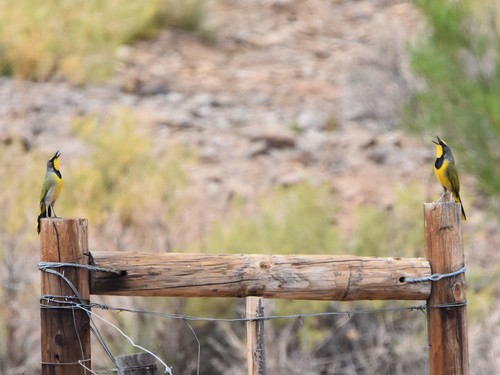 Bokmakierie
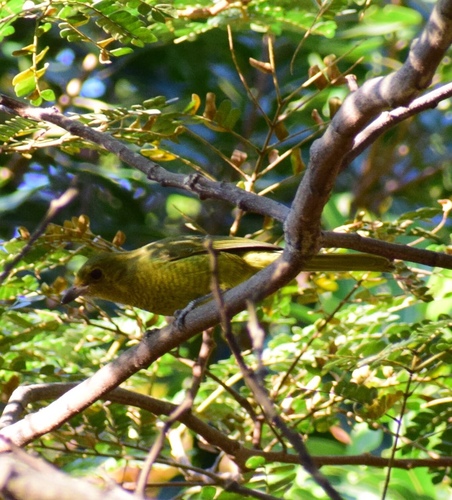 Olive Bushshrike
In breve
Il segno distintivo più affidabile per separare il Bokmakierie dall'Olive Bushshrike è il corpetto nero audace del Bokmakierie (gorget) che attraversa le parti inferiori gialle brillanti, assente nell'Olive Bushshrike. Il Bokmakierie è anche molto più grande e massiccio, con un becco più pesante e fortemente ricurvo e una punta gialla distintiva sulla coda nera. I giovani Bokmakierie mancano del corpetto nero ma sono comunque più grandi e più opachi sotto rispetto all'Olive Bushshrike. L'Olive Bushshrike è più piccolo, più snello e privo di qualsiasi corpetto nero, mostrando parti superiori di un verde oliva più uniforme e parti inferiori gialle. Entrambe le specie possono essere timide, ma il Bokmakierie è particolarmente schivo, spesso rimanendo basso in cespugli aperti o giardini.
Consigli di identificazione
- Corpetto Nero (Gorget): Il Bokmakierie adulto ha un ampio corpetto nero sulle parti inferiori gialle, che si estende lungo i lati del collo e attraverso l'occhio fino al becco. L'Olive Bushshrike non mostra mai un corpetto nero; le sue parti inferiori sono di un giallo uniforme.
- Coda Nera con Punta Gialla: La coda del Bokmakierie è nera con una conspicua punta gialla, visibile sia in posizione percheggiata che in volo. L'Olive Bushshrike manca di questa caratteristica; la sua coda è di colore più uniforme.
- Dimensioni e Struttura: Il Bokmakierie è molto più grande e massiccio, con un becco pesante e ricurvo e un corpo più robusto. L'Olive Bushshrike è più piccolo, più snello e più delicato, con un becco più fine.
- Schema della Testa: Il Bokmakierie ha una testa grigia con un sopracciglio giallo e un forte nero attraverso l'occhio. Il viso dell'Olive Bushshrike è meno contrastante, privo del sopracciglio audace e delle marcature facciali nere.
- Piumaggio Giovanile: Il giovane Bokmakierie manca del corpetto nero ed è di un grigio-verde più opaco sotto, ma rimane più grande e massiccio rispetto all'Olive Bushshrike. Il giovane Olive Bushshrike non è descritto, ma l'assenza di un corpetto nero rimane una differenza chiave.
- Colore delle Parti Inferiori: Entrambe le specie hanno parti inferiori gialle, ma quelle del Bokmakierie sono più brillanti e più nettamente distinte dal corpetto nero. Il giallo dell'Olive Bushshrike è meno intenso e più mescolato con le parti superiori di un verde oliva.
- Parti Superiori: Entrambi sono di un verde oliva sopra, ma il contrasto del Bokmakierie con le parti inferiori gialle e il corpetto nero è molto più forte. L'Olive Bushshrike è più uniformemente colorato nel complesso.
- Forma del Becco: Il becco del Bokmakierie è più pesante e più fortemente ricurvo, adatto alle sue abitudini predatrici. Il becco dell'Olive Bushshrike è più fine e meno robusto.
- Colore delle Zampe: Il Bokmakierie ha zampe e piedi grigio-blu, che possono essere visti da vicino. Il colore delle zampe dell'Olive Bushshrike non è specificato, ma è improbabile che sia così distintivo.
- Comportamento: Il Bokmakierie è particolarmente schivo e timido, spesso rimanendo basso in cespugli densi o siepi, anche in campagna aperta. L'Olive Bushshrike è più tipico di foreste o cespugli densi e può essere più attivo nel sottobosco.
- Habitat: Negli habitat aperti, secchi o urbani, il Bokmakierie è molto più probabile. Nella foresta densa o nel cespuglio umido, ci si aspetta l'Olive Bushshrike.
- Vocalizzazioni: Il forte duetto fischiato del Bokmakierie ('bok-bok-mak-kik') è diagnostico. Se udito, esclude l'Olive Bushshrike.
- Viste da Perché vs. Volo: La coda nera con punta gialla del Bokmakierie può essere un utile segno di volo; la coda dell'Olive Bushshrike è meno distintiva.
- Sessi: Entrambe le specie sono simili tra i sessi, quindi tutti i segni si applicano sia ai maschi che alle femmine.
- Trappole: I giovani Bokmakierie senza un corpetto nero possono essere confusi con l'Olive Bushshrike, ma dimensioni, struttura e schema della coda li separano ancora. In scarsa illuminazione, il corpetto nero può essere difficile da vedere, quindi utilizzare più segni.
Taglia
Il Bokmakierie è quasi due volte più pesante dell'Olive Bushshrike (63g contro 33g) ed è anche più lungo (22–23 cm contro più piccolo, non specificato per l'Olive Bushshrike ma noto per essere più piccolo da fonti comparative). Sul campo, il Bokmakierie appare più massiccio, con un corpo più robusto e un becco più pesante e potente. L'Olive Bushshrike è visibilmente più leggero, più snello e più delicato nel complesso.
Piumaggio
Il Bokmakierie adulto è di un verde oliva sopra con un corpo inferiore giallo brillante e un ampio corpetto nero (gorget) che separa la gola dal petto, che continua lungo i lati del collo attraverso l'occhio fino al becco. La testa è grigia con un sopracciglio giallo, e la coda è nera con una conspicua punta gialla. I giovani Bokmakierie sono di un grigio-verde più opaco sotto e mancano del corpetto nero, ma mostrano comunque le parti superiori di un verde oliva e le parti inferiori giallastre. L'Olive Bushshrike, al contrario, non ha affatto un corpetto nero; è più uniformemente di un verde oliva sopra e giallastro sotto, senza il forte contrasto o la coda nera con punta gialla. Lo schema del viso è meno audace, privo del forte sopracciglio e del nero facciale del Bokmakierie. Queste differenze si applicano sia a viste percheggiate che a brevi viste in volo, anche se la punta della coda del Bokmakierie può essere un utile indizio di volo. Non sono descritti segni specifici per l'età per nessuna delle due specie.
Comportamento
Il Bokmakierie è descritto come timido e schivo, spesso rimanendo basso in cespugli densi o siepi, anche se può essere trovato in habitat aperti e persino in parchi urbani. È meno probabile che si posi in modo appariscente rispetto ai veri shrike. Il comportamento dell'Olive Bushshrike non è dettagliato nelle note, ma è generalmente meno massiccio e può essere più attivo nel sottobosco o al margine della foresta, in linea con le sue preferenze di habitat. Entrambi possono essere difficili da vedere bene, ma la tendenza del Bokmakierie a rimanere basso e nascosto è notevole.
Habitat
Il Bokmakierie predilige habitat aperti come cespugli di karoo, fynbos e parchi e giardini urbani, spesso in paesi più secchi o aperti. L'Olive Bushshrike si trova in una gamma più ampia di habitat boschivi, comprese foreste secche e umide subtropicali o tropicali, foreste montane e arbusteti, preferendo generalmente aree più dense, più boschive o ben vegetate. L'overlap può verificarsi in alcune regioni, ma il Bokmakierie è più tipico di paesaggi aperti, più secchi o modificati dall'uomo, mentre l'Olive Bushshrike è più legato a foreste e cespugli densi.
Voce
Il Bokmakierie è noto per i suoi forti richiami fischiati, spesso emessi in duetto antiphonale, con la classica frase 'bok-bok-mak-kik'. Le vocalizzazioni dell'Olive Bushshrike non sono descritte nelle note, ma il duetto distintivo e le frasi forti e ripetute del Bokmakierie sono un forte indizio. Se senti il richiamo caratteristico del Bokmakierie, è diagnostico.