

Black-tailed Gull vs Herring Gull
Larus crassirostris contro Larus argentatus
Fai un quiz con Black-tailed Gull e Herring Gull
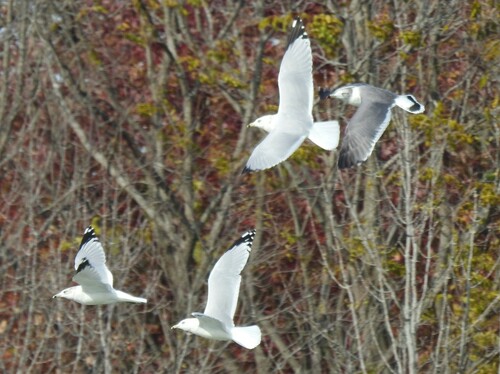 Black-tailed Gull
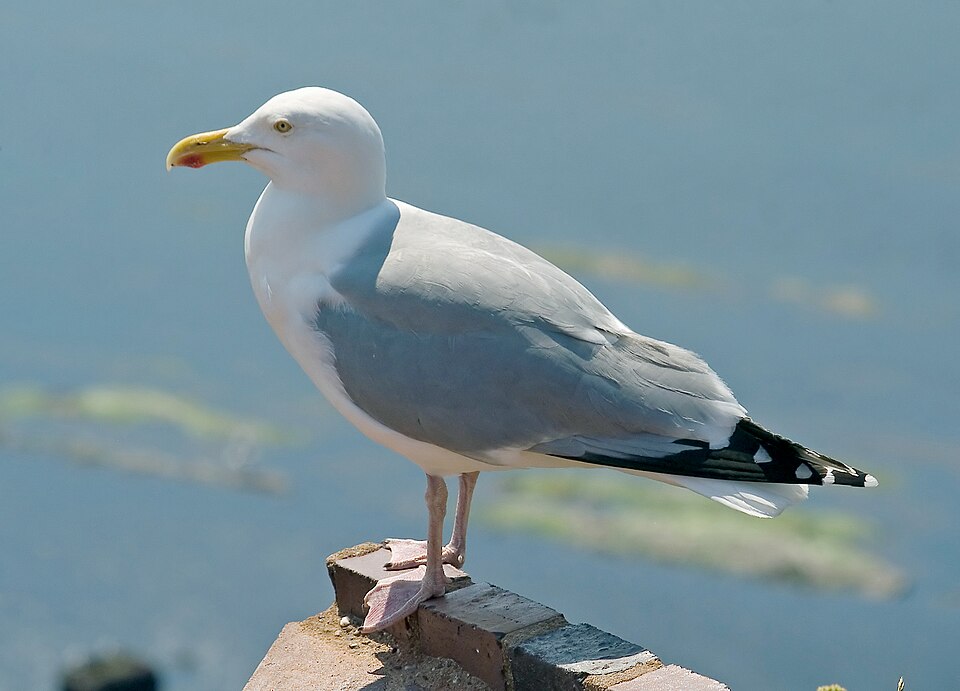 Herring Gull
In breve
Il segno di campo più affidabile tra Black-tailed Gull e Herring Gull è il colore della coda e delle gambe negli adulti: Black-tailed Gull mostra una distintiva banda nera sulla coda e gambe gialle, mentre Herring Gull ha una coda bianca e gambe rosa (raramente giallastre). Gli uccelli immaturi possono essere confusi, ma i giovani Herring Gull sono complessivamente più marroni con un becco e occhi scuri, mentre gli immaturi Black-tailed Gull sono meno ben descritti ma mancano delle tonalità marroni profonde e hanno un modello di coda più contrastante. Anche il colore della punta del becco è utile: Black-tailed Gull ha una macchia rossa e nera alla punta del becco, mentre Herring Gull ha solo una macchia rossa. La struttura e le dimensioni differiscono, con Herring Gull che è notevolmente più grande e massiccio. In volo, controlla la banda nera sulla coda (Black-tailed) rispetto alla coda completamente bianca (Herring), e il colore delle gambe se visibile quando è posato.
Consigli di identificazione
- Tail pattern in flight (all ages): Black-tailed Gull mostra sempre una banda nera sulla coda, anche negli immaturi. Herring Gull ha una coda bianca a tutte le età, senza banda nera.
- Leg color (adults): Black-tailed Gull ha gambe gialle; Herring Gull ha gambe rosa (raramente giallastre in alcuni uccelli del Baltico). Questo è più affidabile sugli uccelli posati.
- Bill tip pattern (adults): Black-tailed Gull ha un becco giallo con sia una macchia rossa che nera vicino alla punta. Herring Gull ha un becco giallo con solo una macchia rossa.
- Overall size and structure: Herring Gull è molto più grande e massiccio, con un becco più pesante e un torace più profondo. Black-tailed Gull è più snello e di dimensioni medie.
- Juvenile/immature plumage: I giovani Herring Gull sono marroni nel complesso con forti striature, un becco scuro e occhi scuri. Gli immaturi Black-tailed Gull sono meno marroni e mostrano più contrasto, specialmente la banda nera sulla coda.
- Wingtips (adults): Gli adulti Herring Gull hanno punte delle ali nere con 'specchi' bianchi. Le punte delle ali di Black-tailed Gull sono meno ben descritte ma mancano dello stesso grande specchio bianco.
- Eye color (adults): Herring Gull ha un occhio chiaro con un anello orbitale giallo; il colore degli occhi di Black-tailed Gull non è specificato ma non è notato come un segno di campo.
- Head streaking (non-breeding adults): Herring Gull mostra striature marroni sulla testa e sul collo nella stagione non riproduttiva; Black-tailed Gull non è descritto come avente questa caratteristica.
- Voice: Ascolta un richiamo simile a un 'mew' per Black-tailed Gull; il richiamo di Herring Gull è una tipica risata forte da gabbiano.
- Habitat and range: In Asia orientale, ci si aspetta Black-tailed Gull; in Europa, Herring Gull è il default. I vagabondi sono rari ma possibili.
- Behavior at colonies: Black-tailed Gull può essere estremamente docile e avvicinabile nelle colonie di nidificazione in Giappone.
- Bill size: Herring Gull ha un becco visibilmente più pesante e lungo rispetto a Black-tailed Gull.
- Sex differences: Entrambe le specie hanno un piumaggio identico tra i sessi, ma i maschi sono più grandi.
- Seasonal context: Entrambe le specie impiegano quattro anni per raggiungere il piumaggio adulto, quindi controlla i segni legati all'età se l'uccello non è completamente adulto.
- Potential pitfalls: Non fare affidamento solo sul colore della schiena, poiché entrambi hanno schiene grigie chiare negli adulti. Il colore delle gambe e il modello della coda sono più affidabili.
Taglia
Herring Gull è sostanzialmente più grande e pesante di Black-tailed Gull. I maschi di Herring Gull raggiungono fino a 66 cm di lunghezza e oltre 1.000 g di peso, con un'apertura alare fino a 155 cm, mentre Black-tailed Gull è di dimensioni medie a circa 46 cm e 556,5 g, con un'apertura alare di 126–128 cm. Anche le femmine di Herring Gull sono più grandi delle femmine di Black-tailed Gull. Sul campo, Herring Gull appare più massiccio e con ali più lunghe, con un becco più pesante e un torace più profondo, mentre Black-tailed Gull è più snello e leggermente costruito.
Piumaggio
- Juvenile/First-winter: I giovani Herring Gull sono per lo più marroni con forti striature, un becco scuro e occhi scuri. Le loro ali superiori sono anch'esse marroni e mancano di forte contrasto. Gli immaturi Black-tailed Gull sono meno ben dettagliati, ma non mostrano la stessa tonalità marrone profonda; cerca una banda nera sulla coda più contrastante anche negli uccelli giovani, che Herring Gull manca.
- Second/Third-winter: Gli uccelli di Herring Gull del secondo inverno iniziano a mostrare una schiena più grigia, una testa più bianca e meno striature, ma hanno ancora marrone nelle ali e un becco scuro. Black-tailed Gull impiega quattro anni per raggiungere il piumaggio adulto, ma la banda nera sulla coda rimane una caratteristica chiave durante tutta l'immaturità.
- Adult: Gli adulti Black-tailed Gull hanno una schiena grigia chiara, parti inferiori bianche, gambe gialle e una banda nera sulla coda. Gli adulti Herring Gull hanno una schiena grigia chiara, parti inferiori bianche, gambe rosa (raramente giallastre) e una coda bianca. Entrambi hanno becchi gialli con una macchia rossa, ma la punta del becco di Black-tailed Gull mostra anche una macchia nera. Le punte delle ali di Herring Gull sono nere con 'specchi' bianchi; le punte delle ali di Black-tailed Gull sono meno ben descritte ma non hanno lo stesso modello.
Comportamento
Entrambe le specie sono alimentatori opportunistici e spesso si nutrono di avanzi o seguono le barche da pesca. Black-tailed Gull è noto per essere molto docile nelle colonie di nidificazione in Giappone, formando spesso colonie dense e avvicinabili. Herring Gull è anche audace attorno agli esseri umani, specialmente in ambienti urbani o costieri, ma è generalmente più solitario al di fuori della stagione riproduttiva. Entrambi rubano cibo da altri uccelli e sono aggressivi a volte, ma questi comportamenti non sono affidabili per diagnosticare le due specie.
Habitat
Black-tailed Gull è nativo delle coste dell'Asia orientale, nidificando su coste rocciose e isole, specialmente in Giappone e Corea. Herring Gull nidifica attorno all'Europa settentrionale e occidentale, spesso su scogliere, isole e sempre più in aree urbane. Nelle loro aree principali, non si sovrappongono, ma possono verificarsi vagabondi. Se visto in Asia orientale, ci si aspetta Black-tailed Gull; in Europa, Herring Gull è il default. Entrambi possono essere trovati vicino ad attività di pesca e insediamenti umani.
Voce
Black-tailed Gull è famoso per il suo richiamo simile a un 'mew', che è distintivo e dà origine ai suoi nomi giapponesi e coreani. Herring Gull ha un richiamo più tipico, forte e ridanciano, privo della qualità simile a un gatto. Se senti un richiamo simile a un 'mew', è Black-tailed Gull; altrimenti, la voce non è affidabile per diagnosticare a meno che il richiamo non sia chiaramente udito.