

Pittima reale vs Limnodromo pettorossiccio
Limosa limosa contro Limnodromus scolopaceus
Fai un quiz con Pittima reale e Limnodromo pettorossiccio
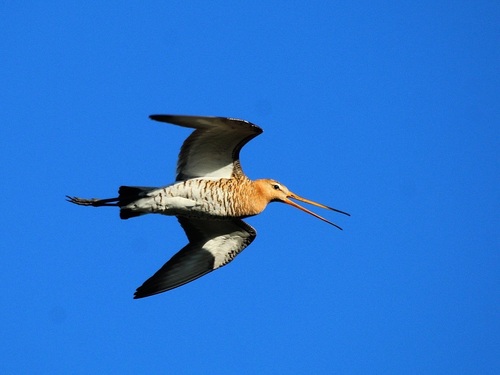 Pittima reale
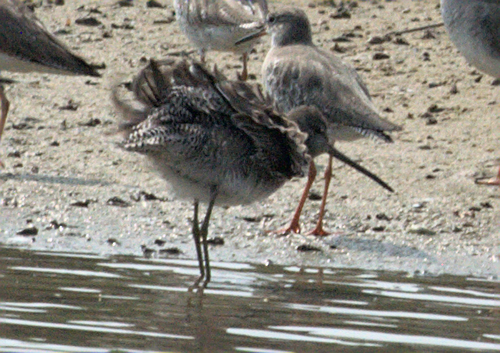 Limnodromo pettorossiccio
In breve
Il segno distintivo più affidabile tra Pittima reale e Limnodromo pettorossiccio è la vivace banda alare bianca e nera e il sottocoda bianco della pittima, visibile in tutte le età e particolarmente impressionante in volo. Gli uccelli juvenili e non in riproduzione possono essere confusi a terra, ma le pittime sono più alte, con gambe più lunghe e un becco più lungo e dritto. I limnodromi sono più robusti, con un becco più corto e dritto e una distintiva macchia bianca sul sottocoda che si estende lungo la schiena, ma mancano della banda alare della pittima. Entrambe le specie possono mostrare toni arancioni o rugginosi nel piumaggio nuziale, ma la loro struttura e i modelli di volo sono piuttosto diversi. Un'attenta attenzione al modello delle ali e del sottocoda, alla lunghezza e alla forma del becco e alle dimensioni complessive le separerà nella maggior parte delle situazioni.
Consigli di identificazione
- Modello delle ali in volo (tutte le età): La Pittima reale mostra una vivace banda alare bianca e un sottocoda bianco con una coda nera; il Limnodromo pettorossiccio non ha una banda alare e ha invece un grande sottocoda bianco che si estende lungo la schiena, ma le ali sono uniformemente scure.
- Dimensioni e struttura: Le pittime sono molto più grandi, più alte e con gambe più lunghe, con un collo e un becco più lunghi. I limnodromi sono compatti, con gambe più corte e più robusti.
- Forma e lunghezza del becco: Il becco della pittima è molto lungo, dritto e leggermente ricurvo all'estremità, spesso con una base rosa o arancione (riproduzione) o base rosata (inverno). Il becco del limnodromo è lungo ma più corto di quello della pittima, dritto e più simile a un ago, con una punta nera e una base giallastra o oliva.
- Colore delle gambe: Le gambe della pittima sono grigio scuro o nere; le gambe del limnodromo sono giallastre.
- Colore del piumaggio nuziale: I maschi della pittima sono di un arancione brillante sulla testa, collo e petto; le femmine sono più chiare. I limnodromi hanno una testa e parti inferiori rugginose con striature nere e bianche sul petto e sui fianchi.
- Piumaggio non riproduttivo: La pittima è uniformemente marrone-grigia sopra e sotto; il limnodromo è grigio spento sopra con un ventre più chiaro e un supercilium debole.
- Piumaggio giovanile: I giovani della pittima hanno una leggera sfumatura arancione sul collo e sul petto. I giovani del limnodromo hanno un petto grigio, parti superiori con frange castanee e terziali con bordi buff stretti e marcature interne opache.
- Modello del viso: Il limnodromo mostra sempre un supercilium biancastro e una striscia loreale scura attraverso l'occhio; la pittima manca di questo forte modello facciale.
- Comportamento alimentare: I limnodromi si nutrono con un rapido movimento ripetuto a 'macchina da cucire'; le pittime sondano in modo più deliberato.
- Postura: Le pittime stanno erette e alte; i limnodromi sono più orizzontali e accovacciati.
- Modello della coda: La coda della pittima è nera con un sottocoda bianco; la coda del limnodromo è striata di nero e bianco, con barre nere più larghe di quelle bianche.
- Preferenza dell'habitat: Le pittime favoriscono prati allagati aperti e laghi poco profondi; i limnodromi sono più probabili in paludi d'acqua dolce fangose e vegetate.
- Struttura del gruppo: I limnodromi si nutrono spesso in gruppi ristretti; le pittime sono più disperse.
- Voce: Non diagnostica qui, ma i limnodromi sono meglio separati da specie simili per il richiamo in inverno.
- Trappole: In luce fioca o a distanza, entrambi possono sembrare simili nel colore, ma le dimensioni della pittima, la postura eretta e la banda alare in volo sono decisive. Controlla sempre la banda alare e il modello del sottocoda quando gli uccelli si alzano in volo.
Taglia
La Pittima reale è molto più grande e pesante (massa corporea ~290g) rispetto al Limnodromo pettorossiccio (~104g). Le pittime sono più alte con gambe più lunghe e un collo e un becco proporzionalmente più lunghi. I limnodromi sono uccelli costieri di dimensioni medie e robusti, visibilmente più piccoli e compatti in un confronto diretto. Anche a distanza, le gambe più lunghe e la postura eretta della pittima sono evidenti quando entrambe le specie sono presenti.
Piumaggio
- Uccelli juvenili/immaturi in volo: La Pittima reale di tutte le età mostra una vivace banda alare bianca e nera, un sottocoda bianco e una coda nera, che sono assenti nel limnodromo. Il Limnodromo pettorossiccio ha un grande sottocoda bianco che si estende lungo la schiena, ma le sue ali sono uniformemente scure senza banda alare.
- Piumaggio nuziale: Entrambe le specie possono mostrare arancione o rugginoso sulla testa, collo e parti inferiori, ma la pittima è più estensivamente arancione, specialmente sulla testa e sul petto, con una schiena più chiara. Il limnodromo ha una testa e parti inferiori rugginose con striature nere sul petto e striature bianche sui fianchi, e una schiena più scura e maculata.
- Piumaggio non riproduttivo/invernale: Entrambe le specie diventano più spente. La pittima è uniformemente marrone-grigia sopra e sotto, mentre il limnodromo è grigio sopra con un ventre bianco più chiaro e una transizione più graduale dal petto al mento. Il limnodromo mantiene sempre un supercilium biancastro e una striscia loreale scura.
- Giovanile: I giovani della pittima hanno una leggera sfumatura arancione sul collo e sul petto; i giovani del limnodromo sono più chiari degli adulti ma mostrano ancora un petto grigio e parti superiori con frange castanee. I giovani del limnodromo hanno anche modelli distintivi di piume terziali (grigio scuro con bordi buff stretti, marcature interne opache).
Comportamento
Le Pittime reali vengono spesso viste guadare in acque più profonde, stando alte e muovendosi deliberatamente. In volo, sono forti e dirette, con lunghe gambe che si allungano dietro. I Limnodromi pettorossicci si nutrono con un rapido movimento a 'macchina da cucire', sondando ripetutamente nel fango o in acque poco profonde, spesso in stormi. Il loro volo è veloce e diretto, ma appaiono più compatti e meno allungati rispetto alle pittime. I limnodromi sono più propensi a essere visti in gruppi di alimentazione attivi e compatti, mentre le pittime sono spesso più disperse.
Habitat
Le Pittime reali preferiscono zone umide aperte, prati allagati e laghi poco profondi, spesso in aree più aperte. I Limnodromi pettorossicci sono più strettamente associati a paludi d'acqua dolce, stagni e bordi fangosi, talvolta in ambienti leggermente più vegetati o chiusi. Entrambe le specie possono sovrapporsi durante la migrazione, ma le pittime tendono a selezionare habitat più ampi e aperti, mentre i limnodromi sono più probabili in piccole pozzanghere fangose o aree paludose.
Pittima reale · Limnodromo pettorossiccio · I miei uccelli difficili