

Gabbiano comune vs Brown-headed Gull
Chroicocephalus ridibundus contro Chroicocephalus brunnicephalus
Fai un quiz con Gabbiano comune e Brown-headed Gull
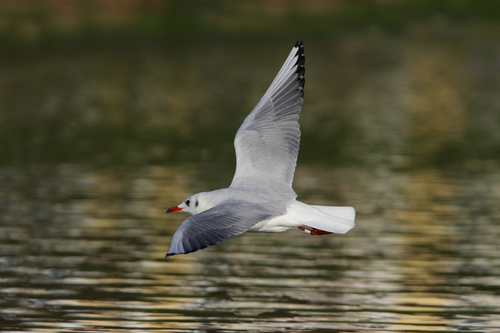 Gabbiano comune
 Brown-headed Gull
In breve
Il segno di campo più affidabile tra il Gabbiano comune e il Brown-headed Gull è il tono e l'estensione del cappuccio in abito nuziale: il Gabbiano comune mostra un cappuccio più scuro, marrone cioccolato, mentre quello del Brown-headed Gull è più chiaro e di un marrone più chiaro. Per gli immaturi e gli uccelli in volo, concentrati sul sottovolo: il Gabbiano comune ha un bordo anteriore bianco sull'ala esterna e un sottovolo scuro contrastante sulle primarie interne, mentre il sottovolo del Brown-headed Gull è più uniformemente grigio con penne volanti nere. Entrambe le specie hanno becchi e zampe rosse, ma il Brown-headed Gull è leggermente più grande e mostra 'specchi' bianchi più estesi sulle punte delle ali. La separazione è più difficile in abito non nuziale e tra i giovani, dove i dettagli del modello della coda e delle ali diventano cruciali.
Consigli di identificazione
- Breeding hood color: In estate, il Gabbiano comune mostra un cappuccio più scuro, marrone cioccolato, mentre quello del Brown-headed Gull è di un marrone più chiaro. Questo è più affidabile in abito nuziale adulto completo (marzo-luglio per il Gabbiano comune, tempistiche simili per il Brown-headed).
- Non-breeding head pattern: In inverno, il Gabbiano comune perde il cappuccio, lasciando due macchie scure dietro l'occhio; il Brown-headed Gull perde il cappuccio ma mostra strisce verticali scure sulla testa. Questo è sottile e variabile.
- Juvenile/first-winter upperwing: I giovani e i primi inverni del Gabbiano comune mostrano una barra carpale marrone sull'ala interna e secondarie nerastre; gli immaturi del Brown-headed Gull hanno aree scure più estese nelle ali, ma il modello esatto è meno ben descritto—cerca un'ala più uniformemente scura nel Brown-headed.
- Tail band in immatures: I giovani e i primi inverni di entrambe le specie mostrano una banda terminale nera sulla coda, quindi questo non è diagnostico da solo.
- Adult underwing in flight: Gli adulti del Gabbiano comune mostrano un bordo anteriore bianco sull'ala esterna e un sottovolo scuro sulle primarie interne; il Brown-headed Gull ha un sottovolo grigio con penne volanti nere e 'specchi' bianchi più estesi sulle punte delle ali.
- Primary 'mirrors': Gli adulti del Brown-headed Gull hanno 'specchi' bianchi più evidenti sulle punte delle primarie rispetto al Gabbiano comune. Questo è meglio visibile in volo o con buone viste delle ali in posizione perpendicolare.
- Bill and leg color: Entrambe le specie hanno becchi e zampe rosse in abito adulto; questo non è un separatore affidabile.
- Size and structure: Il Brown-headed Gull è leggermente più grande e può apparire bulkier, ma la sovrapposizione è sostanziale e la dimensione non è affidabile a meno che gli uccelli non siano affiancati.
- Back color: Entrambe le specie hanno schiene grigie chiare in abito adulto; questo non è un segno utile per la separazione.
- Habitat and range: Se visto in Europa, specialmente nelle aree occidentali o settentrionali, il Gabbiano comune è molto più probabile. Nel subcontinente indiano in inverno, il Brown-headed Gull è la norma. Le segnalazioni fuori dalla gamma richiedono un'attenta analisi.
- Colony behavior: Entrambe le specie nidificano colonialmente a terra in zone umide o isole lacustri; questo non aiuta con la separazione.
- Flight jizz: Entrambi mostrano uno stile di volo simile, ma il Gabbiano comune può apparire leggermente più galleggiante e agile; questo non è un forte separatore.
- Seasonal context: Gli uccelli con cappuccio al di fuori della finestra di marzo-luglio sono rari; controlla per cappucci parziali nei giovani di prima estate, che possono essere variabili in entrambe le specie.
- Sex differences: Non ci sono differenze di piumaggio tra i sessi in nessuna delle due specie; non usare il sesso per l'identificazione.
- Vocalizations: Non sono documentate differenze affidabili nei richiami o nel rumore della colonia nelle fonti.
Taglia
Il Brown-headed Gull è leggermente più grande del Gabbiano comune, anche se la differenza è sottile e potrebbe non essere ovvia sul campo a meno che gli uccelli non siano affiancati. Il Gabbiano comune pesa in media circa 280,5 g [wikidata], con una lunghezza di 34–39 cm e un'apertura alare di 100–110 cm [wikipedia]. Il Brown-headed Gull è descritto come 'leggermente più grande', ma le misurazioni precise non sono fornite nelle fonti. In stormi misti, il Brown-headed può apparire un po' più robusto e con ali più lunghe, ma la sovrapposizione delle dimensioni è significativa.
Piumaggio
I giovani e i primi inverni di entrambe le specie mostrano una banda terminale nera sulla coda e marcature marroni sulla parte superiore. Per il Gabbiano comune, i giovani hanno un modello marrone maculato sulla maggior parte del corpo e una banda nera sulla coda; i primi inverni mantengono una barra carpale marrone sull'ala interna, secondarie nerastre e la banda nera sulla coda, con una schiena grigia che si sviluppa entro la fine dell'estate. Gli immaturi del Brown-headed Gull mostrano anch'essi una banda nera sulla coda e aree scure più estese nelle ali, ma le fonti non specificano una barra carpale o il modello esatto. In volo, gli adulti del Gabbiano comune mostrano un bordo anteriore bianco sull'ala esterna e un sottovolo scuro sulle primarie interne, mentre i Brown-headed Gull hanno un sottovolo grigio con penne volanti nere e 'specchi' bianchi più evidenti sulle punte delle ali. In abito nuziale, il cappuccio del Gabbiano comune è più scuro (marrone cioccolato), mentre quello del Brown-headed è più chiaro; entrambi perdono il cappuccio in inverno, ma il Gabbiano comune rimane con due macchie scure dietro l'occhio, e il Brown-headed mostra strisce verticali scure. Il colore del becco e delle zampe è rosso in entrambi, ma non è separabile in modo affidabile.
Comportamento
Entrambe le specie sono altamente gregarie, specialmente in inverno, formando grandi stormi per nutrirsi e riposare. Il Gabbiano comune è noto per il camminare con e senza movimento della testa, ma questo non è menzionato per il Brown-headed Gull. Entrambe le specie sono alimentatori opportunistici, foraggiando in campi, zone umide e aree urbane. Non sono evidenziate differenze comportamentali significative nelle fonti.
Habitat
Il Gabbiano comune nidifica ampiamente in Europa e nell'Asia settentrionale, comprese le coste dell'est del Canada, e sverna più a sud in parti più miti dell'Europa, del Nord Africa e dell'Asia meridionale. Il Brown-headed Gull nidifica su alti altopiani dell'Asia centrale (Tajikistan alla Mongolia Interna) e sverna sulle coste e nei grandi laghi interni del subcontinente indiano. Le loro aree di distribuzione si sovrappongono poco, ma la vaganza è possibile. Entrambi nidificano in colonie a terra in canneti, paludi o isole lacustri, e entrambi sono raramente visti lontano in mare.
Voce
Non sono fornite differenze vocali diagnostiche nelle fonti. Entrambi sono descritti come rumorosi, specialmente nelle colonie.
Gabbiano comune · Brown-headed Gull · I miei uccelli difficili