

Gabbiano comune vs Gabbiano corso
Chroicocephalus ridibundus contro Ichthyaetus audouinii
Fai un quiz con Gabbiano comune e Gabbiano corso
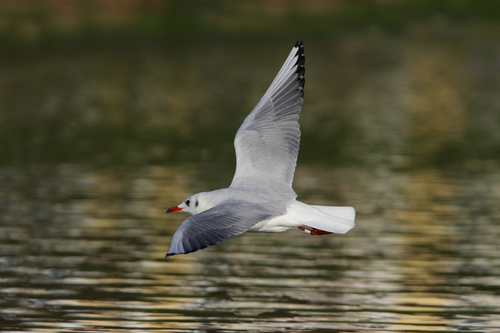 Gabbiano comune
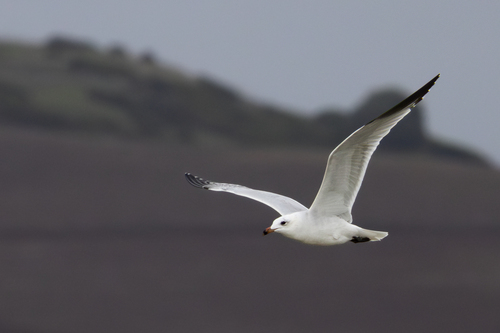 Gabbiano corso
In breve
Il segno di campo più affidabile tra Gabbiano comune e Gabbiano corso è il modello dell'ala superiore in volo: il Gabbiano comune (soprattutto gli immaturi e gli adulti non in riproduzione) mostra un prominente bordo anteriore bianco sull'ala esterna e, nei giovani, una barra carpale marrone e una banda nera sulla coda, mentre il Gabbiano corso non presenta queste caratteristiche e ha invece un'ala superiore grigia più uniforme con un modello a 'filiera di perle' all'estremità dell'ala negli adulti. Strutturalmente, il Gabbiano corso è molto più grande, con una corporatura più robusta e un becco rosso corto e tozzo, rispetto al Gabbiano comune, più delicato e di dimensioni minori, con un becco rosso più fine. In abito nuziale, il Gabbiano comune ha un cappuccio marrone cioccolato, mentre la testa del Gabbiano corso rimane bianca. L'habitat e il comportamento possono anche aiutare: il Gabbiano comune è comune nell'entroterra e in una vasta gamma di habitat, mentre il Gabbiano corso è un raro specialista costiero mediterraneo.
Consigli di identificazione
- Modello dell'ala superiore in volo (tutte le età): Il Gabbiano comune mostra un prominente bordo anteriore bianco sull'ala esterna (primarie esterne), particolarmente visibile in volo. Il Gabbiano corso non presenta questa caratteristica, mostrando invece un'ala superiore grigia più uniforme con piccole macchie bianche ('filiera di perle') all'estremità dell'ala negli adulti.
- Coda e ala dei giovani/primi inverni: I giovani Gabbiani comuni hanno una forte banda nera sulla coda e una barra carpale marrone sull'ala interna, entrambe mantenute nel primo inverno. I giovani Gabbiani corso non mostrano queste caratteristiche, avendo invece un aspetto più uniforme.
- Modello della testa (stagione di riproduzione): L'adulto Gabbiano comune ha un cappuccio marrone cioccolato in estate (marzo-luglio), mentre il Gabbiano corso ha sempre una testa bianca, senza sviluppare mai un cappuccio.
- Modello della testa (non riproduttivo): In inverno, il Gabbiano comune perde il cappuccio, mostrando solo due piccole macchie scure dietro l'occhio. Il Gabbiano corso rimane con la testa bianca tutto l'anno.
- Colore e forma del becco: Il Gabbiano corso ha un becco rosso corto e tozzo, notevolmente diverso dal becco rosso più fine e lungo del Gabbiano comune. Questo è un segno affidabile a distanza ravvicinata.
- Colore delle gambe: Il Gabbiano corso ha gambe grigio-verdi, mentre il Gabbiano comune ha gambe rosse (soprattutto brillanti in abito nuziale).
- Dimensioni e struttura: Il Gabbiano corso è molto più grande e robusto, con ali più lunghe e una corporatura più pesante. Il Gabbiano comune è notevolmente più piccolo e più delicato, con un collo più corto e una testa più piccola.
- Modello dell'estremità dell'ala (adulto): Gli adulti del Gabbiano corso hanno una 'filiera di perle'—una fila di piccole macchie bianche—all'estremità dell'ala, piuttosto che i grandi specchi bianchi visti in alcuni altri grandi gabbiani. Il Gabbiano comune ha estremità nere con un bordo anteriore bianco ma manca delle 'perle.'
- Modello della coda: I giovani Gabbiani comuni e i primi inverni hanno una banda nera sulla coda; gli adulti hanno una coda completamente bianca. Il modello della coda del Gabbiano corso non è dettagliato qui, ma non mostra una forte banda nera in nessuna età.
- Contesto dell'habitat: Il Gabbiano comune è comune in una vasta gamma di habitat, comprese le acque interne e le aree urbane. Il Gabbiano corso è strettamente costiero e mediterraneo—trovare un gabbiano nell'entroterra o lontano dal Mediterraneo esclude quasi sempre il Gabbiano corso.
- Comportamento: Il Gabbiano comune è spesso visto in grandi stormi rumorosi, alimentandosi in modo opportunistico e facendo scavenging. Il Gabbiano corso è più solitario o in piccoli gruppi, specializzandosi in pesce e spesso alimentandosi di notte in mare.
- Stagionalità: Il Gabbiano comune è presente tutto l'anno in gran parte del suo areale, con grandi afflussi invernali nelle aree più miti. Il Gabbiano corso è molto più raro e meno propenso a vagare lontano dalle sue aree di riproduzione.
- Variabilità del piumaggio: Il Gabbiano comune mostra una notevole variazione nell'estensione del cappuccio marrone nei giovani di prima estate—alcuni possono mostrare quasi nessun cappuccio, il che può causare confusione con gabbiani a testa bianca come il Gabbiano corso, ma altre caratteristiche (dimensioni, becco, modello dell'ala) li separeranno comunque.
- Sessi: Entrambe le specie non mostrano differenze significative nel piumaggio tra i sessi—non fare affidamento sul sesso per l'identificazione.
- Trappole: Fai attenzione a viste distanti in cui il cappuccio del Gabbiano comune può sembrare nero, o dove è difficile giudicare le dimensioni. Usa sempre una combinazione di modello dell'ala, struttura del becco e habitat per l'ID più affidabile.
Taglia
Il Gabbiano corso è significativamente più grande e pesante del Gabbiano comune. Il Gabbiano comune pesa in media circa 280,5 g [wikidata], ed è un gabbiano di piccole dimensioni nel complesso. Il Gabbiano corso è descritto come un grande gabbiano, più vicino in dimensioni al Gabbiano reale nordico, e appare più robusto e con ali più lunghe sul campo. Questa differenza di dimensioni è solitamente ovvia quando i due sono visti insieme, ma può essere più difficile da giudicare a distanza o senza un confronto diretto.
Piumaggio
- Giovane/Primo inverno: I giovani Gabbiani comuni mostrano un modello marrone maculato sul corpo, una distinta banda nera sulla coda e una barra carpale marrone sull'ala interna, che viene mantenuta nel primo inverno. I giovani Gabbiani corso non sono descritti in dettaglio qui, ma mancano della forte barra carpale e della banda sulla coda, mostrando invece un'ala superiore e un dorso grigio-marrone più uniforme.
- Prima estate/Secondo inverno: Il Gabbiano comune nella prima estate può mostrare un cappuccio marrone parziale e un po' di marrone mantenuto nelle ali e nella coda. Il Gabbiano corso impiega quattro anni per raggiungere il piumaggio adulto, quindi gli immaturi possono mostrare alcune tonalità marroni ma non acquisiscono un cappuccio.
- Adulto in riproduzione: Il Gabbiano comune ha un cappuccio marrone cioccolato (non nero), parti inferiori bianche, parti superiori grigio chiaro e estremità nere con un bordo anteriore bianco. Il Gabbiano corso ha una testa bianca, parti superiori grigio chiaro e una distintiva 'filiera di perle' (piccole macchie bianche) all'estremità dell'ala, con un becco rosso corto e gambe grigio-verdi.
- Adulto non in riproduzione: Il Gabbiano comune perde il cappuccio, mantenendo solo due macchie scure dietro l'occhio, mentre il Gabbiano corso rimane con la testa bianca tutto l'anno.
Comportamento
Il Gabbiano comune è altamente gregario, formando spesso grandi stormi sia durante l'alimentazione che durante il riposo, e non è strettamente costiero—comunemente trovato nell'entroterra, in campi, laghi e aree urbane. Il Gabbiano corso è molto meno gregario, solitamente trovato in gruppi più piccoli o da solo, ed è strettamente costiero e pelagico, raramente visto lontano dal mare. Il Gabbiano corso è uno specialista nell'alimentazione di pesce, spesso si nutre di notte in mare o pattuglia vicino alle spiagge, a volte lasciando penzolare le gambe per rallentare. Il Gabbiano comune è più opportunistico, nutrendosi di una vasta gamma di cibi e spesso visto mentre fa scavenging.
Habitat
Il Gabbiano comune è diffuso e abbondante in gran parte dell'Europa e dell'Asia, nidificando in colonie in canneti, paludi e su isole nei laghi, ed è comune in una varietà di habitat interni e costieri, comprese le aree urbane. Il Gabbiano corso è raro e altamente localizzato, ristretto al Mediterraneo, all'Africa occidentale sahariana e alla Penisola Iberica, nidificando principalmente su piccole isole e rimanendo strettamente costiero. È raramente visto nell'entroterra o lontano dal mare.