
Black Drongo vs Ashy Drongo
Dicrurus macrocercus contro Dicrurus leucophaeus
Fai un quiz con Black Drongo e Ashy Drongo
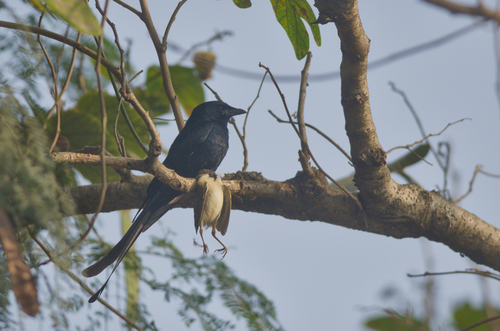 Black Drongo
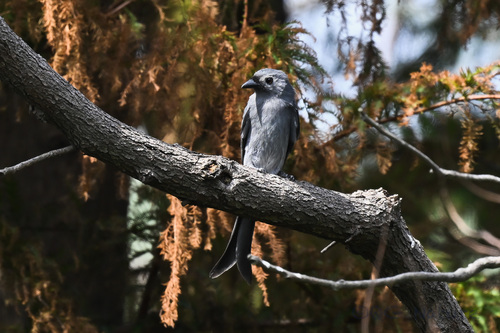 Ashy Drongo
In breve
Il segno di campo più affidabile tra Black Drongo e Ashy Drongo è il colore e la lucentezza complessivi: Black Drongo è un uccello lucido e nero corvino con una coda larga e profondamente biforcuta, mentre Ashy Drongo è un uccello grigio scuro, meno lucido, a volte con segni bianchi sul viso e una coda più snella, lunga e meno biforcuta. I giovani di entrambe le specie possono essere brunastri, ma i giovani di Black Drongo mostrano striature o macchie bianche sul ventre e sul cloa, mentre i giovani di Ashy Drongo sono di un grigio-bruno opaco. Il colore dell'iride è anche diagnostico in buona luce: Black Drongo ha un'iride marrone scuro, Ashy Drongo una rossa. Differenze sottili nella struttura e nella preferenza dell'habitat possono aiutare, ma fai attenzione agli Ashy Drongo molto scuri (soprattutto ssp. longicaudatus) che possono assomigliare molto a Black Drongo.
Consigli di identificazione
- Lucentezza e colore (adulti): Black Drongo è lucido, nero corvino; Ashy Drongo è grigio scuro senza lucentezza, a volte molto scuro ma mai con la stessa brillantezza. Funziona meglio in buona luce.
- Forma della coda: Black Drongo ha una biforcazione larga e profonda nella coda; la coda di Ashy Drongo è lunga, profondamente biforcuta ma più snella e meno biforcuta. Questo è più evidente quando è posato o in volo.
- Segni bianchi sul viso: Ashy Drongo (alcune sottospecie) può mostrare macchie bianche sulla testa o attorno all'occhio; Black Drongo non lo fa mai. Se presente, questo è istantaneamente diagnostico per Ashy.
- Colore dell'iride: Black Drongo ha un'iride marrone scuro; l'iride di Ashy Drongo è rossa. Questo può essere visto in viste ravvicinate o in buone foto.
- Macchia rictale: Black Drongo mostra solitamente una piccola macchia bianca alla base della bocca; Ashy Drongo non ha questa.
- Piumaggio giovanile/immaturo: I giovani di Black Drongo sono brunastri con striature/macchie bianche sul ventre e sul cloa, e gli uccelli di primo anno hanno punte bianche sulle piume del ventre. I giovani di Ashy Drongo sono di un grigio-bruno opaco, privi di questi segni bianchi.
- Struttura: Ashy Drongo è complessivamente più snello, con una coda più lunga e meno biforcuta; Black Drongo è più robusto e compatto.
- Habitat: Black Drongo è molto più probabile in campagna aperta, campi, fili e terreni agricoli; Ashy Drongo preferisce foreste alte o aree collinari, soprattutto al di fuori della migrazione.
- Comportamento: Black Drongo è altamente aggressivo, spesso inseguendo o attaccando uccelli più grandi, e si posiziona in modo evidente in aperto; Ashy Drongo è meno aggressivo, si posiziona più in alto sugli alberi ed è più spesso solitario o in piccoli gruppi.
- Voce: Black Drongo emette un richiamo a due note 'tee-hee'; i richiami di Ashy Drongo sono più nasali/twangy, a volte imitativi. Usare con cautela a meno che non si sia familiari con entrambi.
- Migrazione e contesto: Ashy Drongo è più migratorio e può apparire in nuove aree stagionalmente, soprattutto nelle foreste collinari; Black Drongo è residente in gran parte del suo areale.
- Trappola – Ashy Drongo molto scuro: La sottospecie longicaudatus di Ashy Drongo può essere quasi scura come Black Drongo ma è comunque meno lucida e più snella, con un'iride rossa e senza macchia bianca alla bocca.
- Trappola – confusione giovanile: Il giovane Black Drongo può essere scambiato per il giovane Ashy Drongo, ma cerca striature/bianche sul ventre/cloa in Black, assenti in Ashy.
- Stile di posarsi: Entrambi si posano eretti, ma Black Drongo è più probabile che venga visto su fili o posatoi bassi in campagna aperta; Ashy Drongo di solito si posiziona più in alto sugli alberi.
- Nessun dimorfismo sessuale: I sessi sembrano simili in entrambe le specie; non usare il sesso come separatore.
Taglia
Il confronto diretto delle dimensioni è limitato dai dati disponibili. Black Drongo è lungo circa 28 cm [wikipedia], mentre la massa di Ashy Drongo è di circa 38 g [wikidata], senza lunghezza diretta fornita. Entrambi sono dronghi di dimensioni medie, ma Ashy Drongo tende a sembrare più snello e con una coda più lunga, soprattutto in volo o quando è posato eretto. In pratica, le dimensioni non sono un separatore affidabile a meno che entrambi non siano affiancati.
Piumaggio
- Uccelli giovanili/immaturi: I giovani di Black Drongo sono brunastri con striature bianche o macchie sul ventre e sul cloa; gli uccelli di primo anno mostrano punte bianche sulle piume del ventre, e gli uccelli di secondo anno limitano queste punte bianche al cloa. I giovani di Ashy Drongo sono di un grigio-bruno opaco, privi delle striature bianche e delle punte bianche di Black Drongo. Non si nota alcun motivo distintivo sulle ali superiori per entrambe le specie a qualsiasi età.
- Adulti: Black Drongo è lucido e nero ovunque, con una piccola macchia bianca alla base della bocca (macchia rictale) e una biforcazione larga e profonda nella coda. Gli adulti di Ashy Drongo sono grigio scuro (a volte molto scuro in ssp. longicaudatus), con una coda lunga, profondamente biforcuta ma più snella e meno biforcuta, e mancano della lucentezza di Black Drongo. Alcune sottospecie di Ashy Drongo mostrano macchie bianche sulla testa o attorno all'occhio, che Black Drongo non mostra mai. L'iride è marrone scuro in Black Drongo, rossa in Ashy Drongo. Entrambi i sessi sono simili in ciascuna specie.
Comportamento
Entrambe le specie si posano erette e si lanciano per gli insetti, ma Black Drongo è notevolmente aggressivo e senza paura, spesso attaccando uccelli molto più grandi e persino atterrando su rapaci per attaccarli. Si posiziona frequentemente su fili, cespugli spinosi o animali al pascolo ed è altamente evidente in campagna aperta. Ashy Drongo è meno aggressivo, tipicamente trovato singolarmente o in piccoli gruppi, e spesso si posiziona in alto sugli alberi, soprattutto in aree forestali o collinari. Durante la migrazione, Ashy Drongo può essere visto in piccoli stormi. Entrambe le specie sono insettivori aerei attivi, ma Black Drongo è più probabile che venga visto in campi aperti, soprattutto vicino a incendi o terreni arati.
Habitat
Black Drongo favorisce la campagna aperta, i campi, i bordi e i paesaggi alterati dall'uomo, spesso posandosi su fili o posatoi esposti in aree agricole. Ashy Drongo preferisce habitat forestali più alti, soprattutto in collina, ed è meno probabile trovarlo in terreni agricoli aperti. Durante la migrazione, Ashy Drongo può apparire in una gamma più ampia di habitat boschivi, ma è comunque meno legato alla campagna aperta rispetto a Black Drongo. Può verificarsi sovrapposizione, soprattutto negli habitat di confine, ma il contesto può aiutare: un drongo in un parco cittadino o in un campo è più probabile che sia Black, mentre uno in una foresta matura o in un'area collinare è più probabile che sia Ashy.
Voce
Entrambe le specie sono vocali, ma i loro richiami differiscono sottilmente. Il richiamo tipico di Black Drongo è un 'tee-hee' a due note che ricorda uno shikra, mentre i richiami di Ashy Drongo sono descritti come più nasali e twangy, spesso resi come 'drangh gip' o 'gip-gip-drangh.' Ashy Drongo è anche capace di imitare altri uccelli, incluso il comune iora. La voce può essere utile se si è familiari con entrambi, ma non è sempre diagnostica sul campo.