

Dendrocigna beccorosso vs White-tipped Dove
Dendrocygna autumnalis contro Leptotila verreauxi
Fai un quiz con Dendrocigna beccorosso e White-tipped Dove
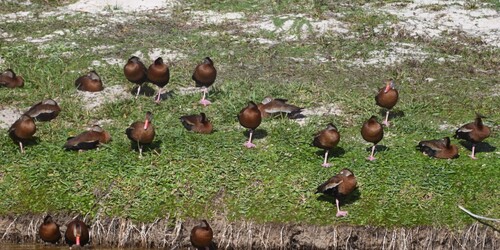 Dendrocigna beccorosso
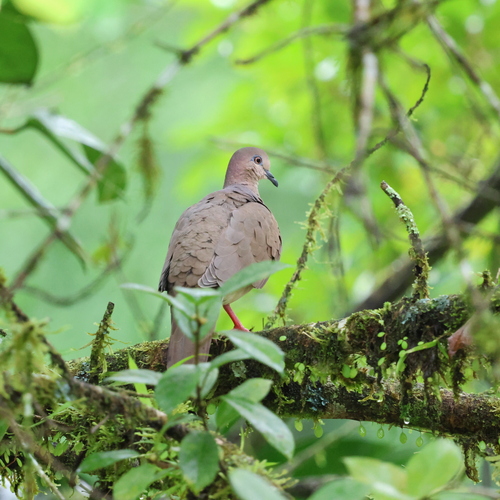 White-tipped Dove
In breve
Il segno distintivo più affidabile per separare Dendrocigna beccorosso da White-tipped Dove è la vivace macchia bianca dell'ala del'anatra (formata dalle secondarie), che lampeggia in volo ed è unica tra le anatre fischiatrici, mentre la tortora non presenta alcun segno simile. Strutturalmente, l'anatra fischiatrice è molto più grande, con un lungo becco rosa, lunghe gambe e una postura distintiva eretta, mentre la tortora è compatta, con un breve becco nero e gambe rosse. A terra, il ventre e la coda neri dell'anatra contrastano con il suo dorso castano e il viso grigio chiaro, mentre la tortora mostra una parte superiore grigio-marrone uniforme e una coda con punta bianca. I giovani anatre fischiatrici hanno un becco grigio e meno contrasto sotto, ma mostrano ancora la macchia bianca dell'ala in volo. Le due specie differiscono fortemente nel comportamento e nel contesto: le anatre fischiatrici sono spesso viste in gruppi vicino all'acqua, mentre le White-tipped Doves sono solitarie o in coppie, cercando cibo silenziosamente a terra nei boschi.
Consigli di identificazione
- Macchia bianca dell'ala in volo (tutte le età, anatra fischiatrice): Dendrocigna beccorosso mostra una vivace macchia bianca sull'ala superiore, visibile in volo e a volte a riposo; White-tipped Dove non mostra mai alcun bianco nell'ala. Questo è il segno più affidabile, specialmente per gli uccelli in volo.
- Dimensioni e struttura: L'anatra è molto più grande, con un lungo collo, lungo becco rosa e lunghe gambe, che le conferiscono una postura alta e eretta. La tortora è compatta, con un collo corto, un breve becco nero e gambe rosse. La differenza di dimensioni è evidente anche da lontano.
- Colore e forma del becco: L'anatra fischiatrice ha un lungo becco rosa brillante (grigio nei giovani); la tortora ha un breve becco scuro. Il colore del becco è un rapido controllo a distanza ravvicinata.
- Colore e lunghezza delle gambe: Le gambe dell'anatra sono lunghe e rosa; quelle della tortora sono più corte e rosse. L'anatra spesso sta alta sulle sue gambe, a differenza della tortora.
- Colore del ventre e della coda: L'anatra fischiatrice ha un ventre e una coda neri, in contrasto con il dorso castano e il viso grigio chiaro. La tortora è biancastra sotto, con una larga punta bianca sulla coda (meglio vista da sotto o in volo), ma mai un ventre nero.
- Schema della testa: L'anatra mostra un viso grigio chiaro e un collo superiore con un sottile anello oculare bianco; la tortora ha una fronte grigio chiaro o biancastra, ma il resto della testa è grigio-marrone, e l'anello oculare è rosso o blu a seconda della regione.
- Piumaggio giovanile: I giovani anatre fischiatrici hanno un becco grigio e meno contrasto sul ventre ma mostrano ancora la macchia bianca dell'ala; i giovani tortore sono simili agli adulti ma possono essere più opachi.
- Colore dell'ala inferiore: La tortora ha copritrici dell'ala inferiore rugginose, ma questo è sottile e raramente visibile; l'ala inferiore dell'anatra è per lo più bianca (secondarie) e nera (primarie), evidente in volo.
- Vocalizzazioni: L'anatra emette fischi forti e acuti, spesso in gruppi; la tortora emette un profondo, due note, di solito da un riparo.
- Comportamento: Le anatre fischiatrici sono gregarie, spesso in gruppi vicino all'acqua, e possono posarsi sugli alberi o sugli edifici; le tortore sono solitarie o in coppie, cercando cibo silenziosamente a terra nei boschi.
- Habitat: L'anatra si trova in zone umide aperte, stagni e laghi; la tortora preferisce boschi, margini forestali e cespugli fitti, raramente vicino ad acque aperte.
- Stile di volo: Il volo dell'anatra è lento e galleggiante, spesso in gruppi; il volo della tortora è veloce, diretto e accompagnato da un rumore di battito d'ali, tipico dei piccioni.
- Contesto: Se vista in gruppo, specialmente vicino all'acqua o posata in alto, sospetta l'anatra fischiatrice; se sola o in copertura fitta, probabilmente è la tortora.
- Sessi: Entrambe le specie sono sessualmente monomorfiche; maschi e femmine si somigliano, quindi il sesso non è un segno utile sul campo.
- Trappole: Da lontano, un'anatra fischiatrice posata può sembrare semplice e marrone, ma le lunghe gambe, la postura eretta e la macchia bianca dell'ala (se visibile) sono indizi. Le tortore non mostrano mai queste caratteristiche.
Taglia
Dendrocigna beccorosso è molto più grande e pesante rispetto a White-tipped Dove. L'anatra misura 47–56 cm di lunghezza e pesa in media 831 g [wikidata], mentre la tortora è lunga circa 28 cm e pesa solo 155 g [wikipedia]. La dimensione dell'anatra, il lungo collo e le gambe sono immediatamente evidenti, specialmente in volo o quando entrambe sono viste insieme. La tortora è compatta e simile a un piccione, con un collo e una coda corti, e non si avvicina mai alla massa o all'altezza dell'anatra.
Piumaggio
Per tutte le età, Dendrocigna beccorosso mostra una vivace macchia bianca sull'ala superiore (formata dalle secondarie), che è evidente in volo e a volte visibile a riposo; questo non è mai presente in White-tipped Dove. I giovani anatre fischiatrici hanno un becco grigio e meno contrasto sul ventre ma mostrano ancora la macchia bianca dell'ala. Gli adulti dell'anatra hanno un ventre e una coda neri, un ricco dorso e collo castano, un viso grigio chiaro e collo superiore, e un sottile anello oculare bianco. La tortora è molto più semplice: grigio-marrone sopra, biancastra sotto con rosa o buff sul petto, una fronte grigio chiaro o biancastra, e una larga punta bianca sulla coda (meglio vista da sotto o in volo). Le copritrici dell'ala inferiore della tortora sono rugginose, ma questo è sottile e raramente diagnostico sul campo. Il lungo becco rosa e le gambe dell'anatra sono distintivi, mentre la tortora ha un breve becco nero e gambe rosse. Entrambe le specie hanno anelli oculari, ma quello dell'anatra è sottile e bianco, mentre quello della tortora è rosso o blu a seconda della regione.
Comportamento
Dendrocigna beccorosso è spesso incontrata in gruppi rumorosi e appariscenti, a volte posata sugli alberi o su terreni aperti vicino all'acqua, ed è gregaria anche al di fuori della stagione riproduttiva. La loro postura eretta e le lunghe gambe sono distintive. Al contrario, le White-tipped Doves sono solitarie o in coppie, timide e diffidenti, di solito cercano cibo silenziosamente a terra nei boschi o ai margini delle foreste, e raramente si posano in aperto. Il volo della tortora è veloce e diretto con forti battiti d'ali e un suono di battito tipico dei piccioni, mentre il volo dell'anatra è più lento e più galleggiante.
Habitat
Dendrocigna beccorosso si trova in zone umide aperte, stagni, laghi e campi allagati, spesso vicino all'acqua e talvolta in parchi urbani con habitat adatti. Sono nidi in cavità e possono essere viste posate sugli alberi o anche sugli edifici. White-tipped Dove preferisce boschi, margini forestali e cespugli fitti, di solito lontano da acque aperte, e raramente è vista in habitat umidi aperti. Le abitudini riservate della tortora e la preferenza per la copertura contrastano con il comportamento audace e da campo aperto dell'anatra.
Voce
Dendrocigna beccorosso è molto vocale, spesso udita emettere richiami fischianti acuti in volo o quando allarmata. I loro richiami sono forti e distintivi, spesso emessi in gruppi. Il richiamo della White-tipped Dove è un profondo 'ooo-wooooo', un fischio a due note con la seconda nota più lunga e più udibile; è molto più basso e più lamentoso rispetto al fischio dell'anatra. Il richiamo della tortora è di solito udito da un riparo e non è associato a comportamenti di gruppo.
Dendrocigna beccorosso · White-tipped Dove · I miei uccelli difficili