

Black-bellied Storm-Petrel vs Layard's Warbler
Fregetta tropica contro Curruca layardi
Fai un quiz con Black-bellied Storm-Petrel e Layard's Warbler
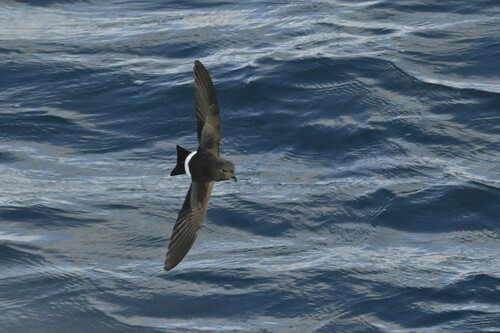 Black-bellied Storm-Petrel
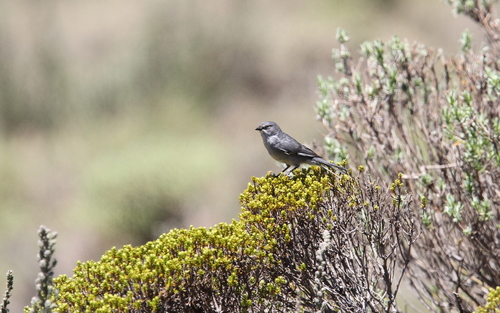 Layard's Warbler
In breve
Il modo più affidabile per separare il Black-bellied Storm-Petrel dal Layard's Warbler è attraverso la struttura generale e il contesto: il storm-petrel è un uccello marino robusto, bianco e nero, con lunghe gambe che si estendono oltre la coda in volo, mentre il Layard's Warbler è un piccolo uccello canoro terrestre snello delle macchie africane. In volo, la banda bianca sulla parte posteriore e la striscia (di solito) scura sull'addome del storm-petrel sono distintive, ma fai attenzione che alcuni individui possono mostrare un ventre bianco. Il Layard's Warbler non presenta alcun contrasto audace bianco e nero ed è mai visto in mare. Se vedi un uccello rimbalzare sulle onde dell'oceano, è un storm-petrel; se sta svolazzando tra i cespugli secchi, è il warbler.
Consigli di identificazione
- L'habitat è il primo controllo: Se l'uccello è in mare, è un Black-bellied Storm-Petrel; se è in macchia secca, è un Layard's Warbler. Non c'è sovrapposizione nell'habitat.
- Stile di volo: Lo storm-petrel rimbalza e si muove sull'acqua, con un volo irregolare e saltellante e le gambe che si estendono oltre la coda. Il Layard's Warbler non mostra mai questo comportamento e vola in brevi salti diretti tra i cespugli.
- Gambe e piedi in volo: Le lunghe gambe nere e i piedi del Black-bellied Storm-Petrel sono visibili oltre la coda in volo—una caratteristica unica tra i piccoli uccelli marini. Le gambe del Layard's Warbler sono corte e non si estendono mai oltre la coda.
- Contrasto del piumaggio: Lo storm-petrel è nero con una banda bianca audace sulla parte posteriore e bianche sottoala/fianchi; il warbler è semplice e privo di qualsiasi forte contrasto o banda sulla parte posteriore.
- Striscia sull'addome: La maggior parte dei Black-bellied Storm-Petrels mostra una larga striscia nera sull'addome, ma fai attenzione che alcuni (soprattutto F. t. melanoleuca) possono avere un ventre spezzato o addirittura bianco. Il Layard's Warbler non mostra mai una striscia sull'addome.
- Sottoala bianca: Lo storm-petrel ha copritrici bianche delle sottoala visibili da sotto; il warbler no.
- Forma del becco: Lo storm-petrel ha un becco corto, spesso e smussato tipico degli uccelli marini; il warbler ha un becco fine e appuntito per nutrirsi di insetti.
- Dimensioni: Lo storm-petrel è molto più pesante e massiccio del warbler. Anche a distanza, le proporzioni dello storm-petrel sono più robuste.
- Forma della coda: La coda dello storm-petrel è corta e quadrata o leggermente arrotondata, spesso apparendo tozza; la coda del warbler è più lunga e più graduata, tipica di un piccolo passeriforme.
- Voce: Lo storm-petrel è silenzioso in mare; la voce del warbler non è descritta, quindi non fare affidamento sulle vocalizzazioni per la separazione.
- Indizi contestuali: Se l'uccello interagisce con le onde oceaniche, si nutre rimbalzando o è visto in un gruppo di altri uccelli marini, è uno storm-petrel. Se è solo o in un gruppo sparso tra i cespugli, è un warbler.
- Gamma geografica: Il Layard's Warbler si trova solo nell'Africa meridionale; il Black-bellied Storm-Petrel è pelagico e nidifica su isole remote a sud, raramente visto vicino alla terra se non nelle colonie.
- Trappola: Alcuni storm-petrels possono mancare della striscia sull'addome, ma il modello generale bianco e nero, la parte posteriore bianca e le gambe che si estendono sono ancora diagnostici. Nessun warbler, incluso il Layard's, può mostrare questa combinazione.
- Sesso/età: Nessun sesso o età del Layard's Warbler somiglia a uno storm-petrel. Tutte le età dello storm-petrel mostrano le caratteristiche strutturali e di piumaggio chiave, anche se la striscia sull'addome può essere variabile.
- Suggerimento riassuntivo: Se non sei sicuro, concentrati su habitat, stile di volo e presenza/assenza di parte posteriore bianca e gambe che si estendono—questi separeranno ogni individuo sul campo.
Taglia
Il Black-bellied Storm-Petrel è molto più pesante (52 g) del Layard's Warbler, che è un tipico piccolo warbler e molto più leggero (massa esatta non fornita, ma i warbler sono solitamente sotto i 20 g) [wikidata, avonet]. Lo storm-petrel è robusto e compatto per un uccello marino, ma è comunque molto più massiccio di qualsiasi warbler. In mano o con una vista chiara, le dimensioni e le proporzioni dello storm-petrel sono inconfondibili rispetto al warbler molto più piccolo e delicato.
Piumaggio
- Giovanile/immaturo/adulto Black-bellied Storm-Petrel: Tutte le età mostrano un sorprendente modello bianco e nero: per lo più nero con una banda bianca sulla parte posteriore, bianche sottoala e fianchi, e una (di solito) larga striscia nera sull'addome. Tuttavia, la striscia sull'addome può essere spezzata o addirittura assente in alcuni uccelli (in particolare la sottospecie melanoleuca, che può mostrare un ventre bianco). Le gambe e i piedi sono neri e si estendono bene oltre la coda in volo. L'ala superiore è scura, con copritrici bianche delle sottoala visibili da sotto.
- Layard's Warbler (tutte le età): Privo di qualsiasi contrasto bianco e nero. Il warbler è un uccello semplice, piccolo e opaco senza banda sulla parte posteriore, striscia sull'addome o sottoala bianca. Il suo piumaggio è adattato per il camuffamento nella macchia, non per un forte contrasto. Nessuna età o sesso del Layard's Warbler potrebbe essere scambiato per uno storm-petrel nel piumaggio.
Comportamento
Il Black-bellied Storm-Petrel è un uccello marino pelagico, che si nutre rimbalzando e patterando sulla superficie dell'oceano, spesso sbattendo il ventre contro l'acqua e cambiando direzione calciando con i piedi. Il suo volo è distintivo: rimbalzante, irregolare e basso sulle onde, con le gambe che si estendono. Il Layard's Warbler è strettamente terrestre, foraggiando nella macchia secca, muovendosi tra i cespugli e la vegetazione bassa, mai visto in mare. I movimenti del warbler sono tipici di un piccolo uccello canoro: svolazzando, saltellando e talvolta facendo brevi voli tra i cespugli. Il contesto del comportamento è un forte indizio: un uccello in mare non è mai un Layard's Warbler.
Habitat
Il Black-bellied Storm-Petrel si trova sopra l'oceano aperto, specialmente nelle acque meridionali e più fredde, e viene a terra solo per nidificare su isole remote. Il Layard's Warbler è ristretto alla macchia secca nell'Africa meridionale (Lesotho, Namibia, Sudafrica) e non si verifica mai in mare. Se stai osservando gli uccelli nell'entroterra o nella macchia, non incontrerai il Black-bellied Storm-Petrel; se sei al largo, non vedrai il Layard's Warbler.
Voce
Il Black-bellied Storm-Petrel è per lo più silenzioso in mare; nelle colonie di nidificazione, emette un fischio acuto prolungato. La canzone e i richiami del Layard's Warbler non sono descritti nelle note fornite, quindi le vocalizzazioni non sono un segno affidabile per la separazione basata sulle informazioni attuali.
Black-bellied Storm-Petrel · Layard's Warbler · I miei uccelli difficili