

Black-bellied Starling vs Shaft-tailed Whydah
Notopholia corusca contro Vidua regia
Fai un quiz con Black-bellied Starling e Shaft-tailed Whydah
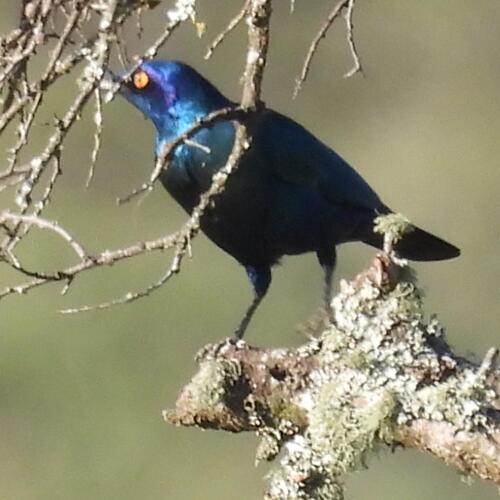 Black-bellied Starling
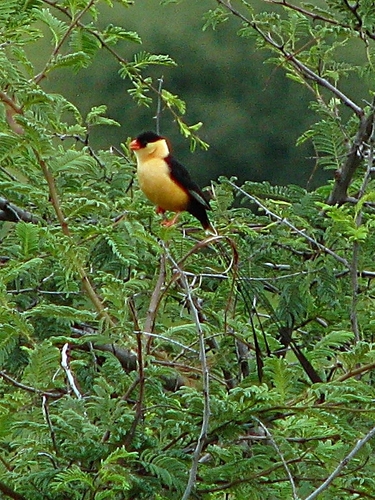 Shaft-tailed Whydah
In breve
Il segno distintivo più affidabile è la drammatica differenza nella struttura della coda e del piumaggio, specialmente nei maschi in riproduzione: i maschi di Shaft-tailed Whydah sfoggiano streamer di coda estremamente lunghi e stretti con un petto dorato e una corona nera, mentre il Black-bellied Starling è un starling lucido e compatto con una coda normale e parti inferiori scure. Nella stagione non riproduttiva o tra femmine/immaturi, il Whydah perde la sua lunga coda e adotta un aspetto semplice, simile a un passero, ma manca ancora della lucentezza e della struttura dello starling. Se vedi un uccello con una lucentezza metallica e una coda corta, è lo starling; se vedi un uccello con una lunga coda simile a uno streamer o una forma semplice da passero che mangia semi, è il Whydah. Entrambe le specie possono verificarsi in regioni sovrapposte dell'Africa meridionale, ma le loro preferenze di habitat e comportamenti differiscono.
Consigli di identificazione
- Forma e lunghezza della coda (stagione di riproduzione): Il maschio di Shaft-tailed Whydah ha quattro streamer di coda estremamente lunghi e stretti con punte espanse, che superano di gran lunga la lunghezza del corpo—nessuno starling mostra mai questo. Il Black-bellied Starling ha una coda normale, corta, quadrata o leggermente arrotondata.
- Lucentezza del piumaggio: Il Black-bellied Starling è sempre lucido e scuro, con una lucentezza metallica sulla testa e sulle parti superiori. Il Whydah (di qualsiasi età o sesso) non mostra mai lucentezza metallica—i maschi in riproduzione sono parzialmente neri e dorati, gli uccelli non in riproduzione sono di un marrone semplice e striato.
- Colore delle parti inferiori: Lo starling ha parti inferiori scure, nere; i maschi di Whydah in riproduzione hanno un petto dorato, e gli uccelli non in riproduzione sono chiari sotto.
- Forma e colore del becco: Lo starling ha un becco più spesso e dritto tipico degli starlings; il Whydah ha un becco più fine, da mangiatore di semi, più conico e delicato.
- Dimensioni e struttura: Lo starling è più robusto, con una postura più eretta e una costruzione più pesante; il Whydah è piccolo e simile a un passero, tranne per la lunga coda nei maschi in riproduzione.
- Colore dell'iride: L'iride dello starling può cambiare con l'umore, ma questo è sottile e raramente diagnostico sul campo. L'occhio del Whydah è scuro e poco appariscente.
- Habitat: Lo starling si trova in boschi, margini forestali o aree umide; il Whydah preferisce praterie aperte e savana.
- Comportamento: Lo starling è arboricolo, spesso in piccoli gruppi rumorosi; il Whydah è terrestre, si nutre a terra, e i maschi in riproduzione possono eseguire voli di esibizione con lunghe code.
- Cambiamenti stagionali (Whydah): Solo i maschi di Whydah in riproduzione hanno la lunga coda e colori sorprendenti; i maschi e le femmine non in riproduzione sono grigi e possono essere confusi con altri piccoli uccelli marroni, ma mai con uno starling lucido.
- Silhouette in volo: Il maschio di Whydah in volo è inconfondibile a causa degli streamer che seguono; lo starling in volo è compatto, con battiti d'ali rapidi e una coda corta.
- Associazione con altri uccelli: Il Whydah è spesso visto con stormi di mangiatori di semi; lo starling con altri starlings o in stormi arborei misti.
- Nutrizione: Lo starling cerca cibo negli alberi e nei cespugli; il Whydah si nutre principalmente di semi a terra.
- Voce: Non sono descritte vocalizzazioni diagnostiche nelle note, quindi non fare affidamento su questo per la separazione.
- Confusione giovanile/immatura: Non sono notati schemi distintivi delle ali giovanili per nessuna delle due specie; concentrati sulla struttura e sull'habitat per i giovani uccelli.
- Trappole: I maschi e le femmine di Whydah non in riproduzione possono somigliare superficialmente ad altri piccoli uccelli marroni, ma non mostrano mai la lucentezza, le dimensioni o le abitudini arboree dello starling.
Taglia
Il Shaft-tailed Whydah è un piccolo uccello delle dimensioni di un passero (massa corporea ~14.4g [wikidata]), notevolmente più leggero e più delicato rispetto al robusto Black-bellied Starling di dimensioni medie (nessuna massa fornita, ma tutti gli starlings sono sostanzialmente più pesanti e robusti dei whydahs). Lo starling appare più massiccio, con un becco più spesso e una postura più eretta, mentre il Whydah è piccolo, con un becco più fine e, nei maschi in riproduzione, una coda che può farlo apparire molto più lungo in silhouette.
Piumaggio
Non è descritto alcun schema distintivo delle ali superiori giovanili o immaturi per nessuna delle due specie, quindi ci si concentra sul piumaggio adulto e stagionale.
-
Black-bellied Starling: Gli adulti sono uccelli lucidi e scuri con una lucentezza metallica, specialmente sulla testa e sulle parti superiori. Le parti inferiori sono scure, dando il nome alla specie. L'iride può cambiare colore a seconda dell'umore o del comportamento, ma questo è sottile sul campo. Non è notato alcun dimorfismo stagionale o sessuale.
-
Shaft-tailed Whydah: I maschi in riproduzione sono inconfondibili, con una corona nera e parti superiori, un petto dorato e quattro piume di coda estremamente lunghe e nere con punte espanse. Fuori dalla stagione di riproduzione, i maschi perdono la lunga coda e mutano in un piumaggio semplice, marrone oliva simile a quello delle femmine. Le femmine e i maschi non in riproduzione sono grigi, simili a passeri, privi di qualsiasi lucentezza o iridescenza, e hanno un aspetto chiaro e striato. Nessuna lucentezza metallica è mai presente nel piumaggio del Whydah, indipendentemente dall'età o dal sesso.
Comportamento
Il Black-bellied Starling si muove tipicamente in piccoli gruppi rumorosi e cerca cibo negli alberi o nei cespugli, mostrando spesso posture attive e erette e frequenti voli brevi. Il Shaft-tailed Whydah è più probabile che venga visto singolarmente o in associazione libera con stormi di mangiatori di semi, nutrendosi a terra o basso nell'erba. I maschi di Whydah in riproduzione eseguono voli di esibizione, mostrando le loro lunghe code, mentre gli uccelli non in riproduzione sono più riservati e terrestri. Lo starling è più arboricolo e gregario; il Whydah è più terrestre e solitario o socialmente libero.
Habitat
Il Black-bellied Starling preferisce boschi, margini forestali e aree ben vegetate, spesso vicino all'acqua o in ambienti umidi. Il Shaft-tailed Whydah favorisce habitat aperti e praterie, spesso in paesi più secchi e aperti, ed è raramente trovato in boschi densi. Se trovi l'uccello in alberi fitti o margini forestali, è più probabile che sia uno starling; se in prateria aperta o savana, specialmente tra i mangiatori di semi, è favorito il Whydah.
Black-bellied Starling · Shaft-tailed Whydah · I miei uccelli difficili