

Black-banded Owl vs Spotted Wood-Owl
Strix huhula contro Strix seloputo
Fai un quiz con Black-banded Owl e Spotted Wood-Owl
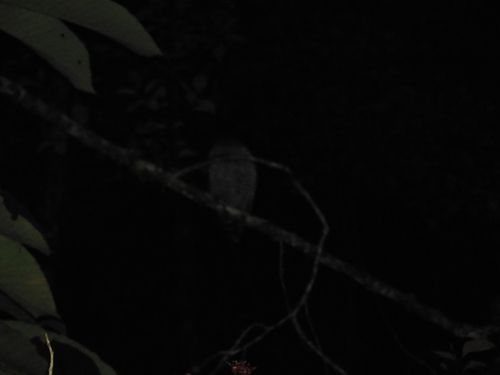 Black-banded Owl
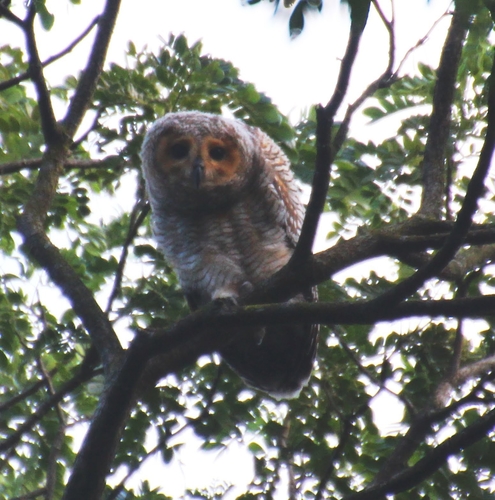 Spotted Wood-Owl
In breve
Il segno distintivo più affidabile per separare il Black-banded Owl dallo Spotted Wood-Owl è il modello generale del piumaggio: il Black-banded Owl è densamente e finemente striato di bianco e nero, con una maschera facciale nera, mentre lo Spotted Wood-Owl mostra una testa marrone cioccolato, un volto arancione-buff e un corpo audacemente macchiato e striato con toni giallastri sotto. Il Black-banded Owl è più piccolo e più compatto, con un volto mascherato distintamente scuro e una coda nerastro con strisce bianche strette. Lo Spotted Wood-Owl è molto più grande, con un disco facciale arancione-buff sorprendentemente chiaro, parti inferiori giallastre e macchie bianche prominenti sopra. L'areale non si sovrappone: il Black-banded Owl è sudamericano, lo Spotted Wood-Owl è sud-est asiatico. Queste differenze sono visibili sia in posizione percheggiata che in volo, e sono coerenti in tutte le età, poiché non sono descritti modelli specifici di ali o coda per nessuna delle due specie.
Consigli di identificazione
- Dimensioni complessive: Lo Spotted Wood-Owl è molto più grande (44–48 cm) del Black-banded Owl (30–36 cm). Se hai un senso della scala, questo è un forte indizio, ma fai attenzione a uccelli solitari o viste scadenti.
- Modello facciale: Il Black-banded Owl ha una maschera facciale nera sorprendente che circonda gli occhi, dando un aspetto ombreggiato e mascherato. Lo Spotted Wood-Owl ha un disco facciale arancione-buff e una testa marrone cioccolato, che appare molto più chiara e con un volto più aperto.
- Modello del corpo: Il Black-banded Owl è densamente e finemente striato di bianco e nero ovunque, senza grandi macchie. Lo Spotted Wood-Owl ha macchie e strisce bianche audaci sulle parti superiori, e le parti inferiori sono gialle opache con ampie strisce bianche e strette nere.
- Modello della coda: La coda del Black-banded Owl è marrone nerastro con 4–5 strisce bianche strette e una punta bianca. Il modello della coda dello Spotted Wood-Owl non è dettagliato, ma l'impressione generale del colore è più marrone e meno nettamente striata.
- Colore del becco: Il Black-banded Owl ha un becco e piedi giallo-arancioni, mentre il becco dello Spotted Wood-Owl è nero-verde e le sue gambe sono olive. Questo è sottile ma può aiutare in viste ravvicinate.
- Piumaggio delle gambe: Entrambe le specie hanno gambe ben piumate, ma il Black-banded Owl ha setole nere e piume che si estendono fino alla base delle dita.
- Colore delle parti inferiori: Il Black-banded Owl è sempre nerastro e bianco, mai giallastro. Le parti inferiori dello Spotted Wood-Owl sono distintamente gialle opache con ampie strisce bianche.
- Habitat e areale: Il Black-banded Owl è strettamente sudamericano; lo Spotted Wood-Owl è strettamente sud-est asiatico. Qualsiasi uccello visto al di fuori di questi areali è quasi certamente identificato erroneamente.
- Nessuna ciuffo auricolare: Entrambe le specie mancano di ciuffi auricolari, quindi questo non è utile per la separazione.
- Voce: Solo il richiamo dello Spotted Wood-Owl è descritto ('huhuhu' + 'whoo'), quindi a meno che tu non senta questo esatto modello, non fare affidamento sulla voce per la separazione.
- Volo vs percheggiato: Entrambe le specie sono tipicamente viste percheggiate, ma se viste in volo, cerca il colore e il modello complessivo: il Black-banded Owl apparirà scuro e finemente striato, lo Spotted Wood-Owl più grande e più audacemente macchiato e giallastro.
- Piumaggio giovanile/immaturo: Non sono descritti modelli specifici di volo o ali per nessuna delle due specie, quindi usa segni di campo simili agli adulti in tutte le età.
- Jizz: Lo Spotted Wood-Owl è più robusto e ha ali più lunghe, mentre il Black-banded Owl è più compatto e ha una coda più corta.
- Trappole: In scarsa illuminazione, il volto arancione dello Spotted Wood-Owl può apparire più scuro, ma le parti inferiori giallastre e la grande dimensione lo separeranno comunque dal più piccolo e più monocromatico Black-banded Owl.
- Fallback della checklist: In caso di dubbio, usa una combinazione di dimensioni, modello facciale e colore delle parti inferiori per la separazione più affidabile.
Taglia
Il Black-banded Owl è di dimensioni medie per un Strix, misurando 30–36 cm di lunghezza. Al contrario, lo Spotted Wood-Owl è sostanzialmente più grande, con una lunghezza di 44–48 cm, con una lunghezza dell'ala (30–36 cm) che corrisponde all'intera lunghezza del corpo del Black-banded Owl. Questa differenza di dimensioni è ovvia se viste fianco a fianco, ma può essere più difficile da giudicare in isolamento. Entrambi mancano di ciuffi auricolari e hanno una testa arrotondata, ma lo Spotted Wood-Owl appare più robusto e con ali più lunghe.
Piumaggio
Non sono descritti modelli specifici di ali o coda per nessuna delle due specie, quindi la separazione si basa sulla colorazione e sul modello generale. Il Black-banded Owl di tutte le età è nel complesso nerastro, densamente striato con fini bande bianche ondulate, e ha una maschera facciale nera che circonda gli occhi. La sua coda è marrone nerastro con 4–5 strisce bianche strette e una punta bianca. Il becco è giallo-arancione. Al contrario, lo Spotted Wood-Owl ha una testa marrone cioccolato, un disco facciale arancione-buff e una banda giallastra sulla gola (nella sottospecie nominata). Le sue parti superiori sono marrone caffè con macchie e strisce bianche audaci bordate di nero, e le parti inferiori sono gialle opache con ampie strisce bianche e strette nere. Il becco è nero-verde e le gambe sono olive. Il volto dello Spotted Wood-Owl è molto più chiaro e più arancione rispetto all'aspetto scuro e mascherato del Black-banded Owl. Queste differenze sono coerenti sia in posizione percheggiata che in volo.
Comportamento
Entrambe le specie sono notturne e segrete, tipicamente roostando in foreste dense durante il giorno e cacciando di notte. Non sono descritte differenze comportamentali distintive che possano separarle in modo affidabile sul campo. Entrambe si posano erette e sono raramente viste in volo aperto durante il giorno.
Habitat
Il Black-banded Owl è residente in varie foreste subtropicali e tropicali in Sud America, dalle pianure basse alle medie altitudini, e non migra mai fuori da questa regione. Lo Spotted Wood-Owl si trova nel sud-est asiatico, in regioni circostanti Borneo (ma non a Borneo stesso), ed è assente dai Neotropici. Pertanto, qualsiasi uccello selvatico visto in Sud America è un Black-banded Owl, e qualsiasi in sud-est asiatico è uno Spotted Wood-Owl. Non è possibile sovrapporre gli habitat.
Voce
L'unica vocalizzazione descritta per lo Spotted Wood-Owl è un 'huhuhu' rotolante seguito da un lungo 'whoo.' Nessuna descrizione vocale è fornita per il Black-banded Owl nelle note fornite, quindi la voce non è un separatore affidabile basato su queste informazioni.
Black-banded Owl · Spotted Wood-Owl · I miei uccelli difficili