

Banded Martin vs Plain Martin
Neophedina cincta contro Riparia paludicola
Fai un quiz con Banded Martin e Plain Martin
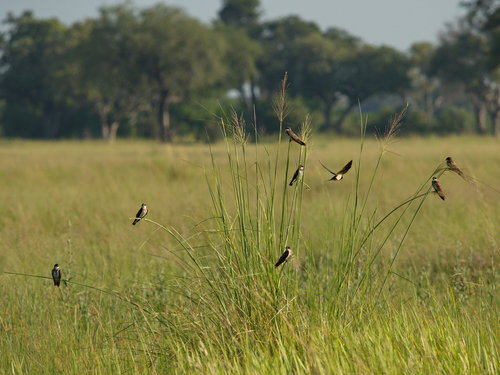 Banded Martin
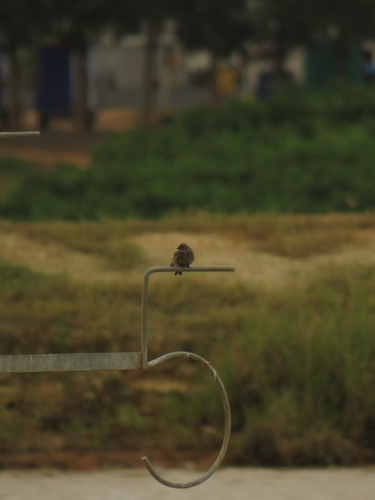 Plain Martin
In breve
Il segno di campo più affidabile per separare il Banded Martin dal Plain Martin è la presenza di una distintiva banda scura sul petto del Banded Martin di tutte le età, che il Plain Martin manca sempre. I giovani Banded Martins hanno una versione più chiara di questa banda, ma è comunque visibile, mentre i giovani Plain Martins non mostrano mai alcuna banda sul petto. In volo o posati, il Banded Martin mostra anche una coda più quadrata e copritrici bianche sotto le ali, rispetto alla parte inferiore e alle ali più uniformemente marroni del Plain Martin. Entrambe le specie sono simili nella colorazione complessiva marrone e bianca, ma un'attenta attenzione alla forma del petto e della coda le separerà nella maggior parte delle condizioni.
Consigli di identificazione
- Banda sul petto (tutte le età): Il Banded Martin mostra sempre una banda scura sul petto, anche nei giovani (sebbene più chiara). Il Plain Martin non ha mai una banda sul petto a nessuna età. Questo è il segno più affidabile.
- Parte superiore dei giovani: I giovani Banded Martins hanno punte dorate sulle piume della parte superiore, mentre i giovani Plain Martins hanno punte chiare sul dorso e sulle piume delle ali. Cerca questi sottili contrasti nel piumaggio fresco.
- Copritrici sotto le ali: Il Banded Martin mostra copritrici bianche sotto le ali, spesso visibili in volo o quando si puliscono. Le ali del Plain Martin sono più uniformemente marroni chiare, mancando di questo contrasto.
- Forma della coda: Il Banded Martin ha una coda quadrata, che è particolarmente evidente quando è posato o in volo. La coda del Plain Martin è leggermente biforcuta o arrotondata, mai quadrata.
- Supercilium (sopracciglio): Il Banded Martin ha una striscia bianca sopra l'occhio, che può essere vista da vicino. Il Plain Martin manca di un supercilium distintivo.
- Colore della gola: Il Banded Martin ha una gola bianca, mentre il Plain Martin ha una gola marrone. Questo è un segno chiave quando visto frontalmente o in buona luce.
- Dimensioni: Il Banded Martin è significativamente più grande (15–17 cm) e più robusto del Plain Martin (12 cm). Usare con cautela a meno che entrambi non siano visti insieme.
- Stile di volo: Il Plain Martin ha un volo più rapido e nervoso, mentre il Banded Martin è più stabile e diretto. Questo può aiutare quando il piumaggio è difficile da vedere.
- Comportamento sociale: Il Plain Martin è più gregario, spesso in gruppi più numerosi, mentre il Banded Martin è solitamente in coppie o piccoli gruppi.
- Preferenza dell'habitat: Il Banded Martin predilige terreni aperti (agricoltura, savana), mentre il Plain Martin è più spesso in aree paludose o umide, anche se entrambi possono sovrapporsi.
- Vocalizzazioni: Il Plain Martin emette un canto continuo e cinguettante in volo e un richiamo di allerta aspro. La voce del Banded Martin non è descritta qui, quindi usare questo solo per confermare il Plain Martin.
- Becco e zampe: Entrambe le specie hanno becchi nerognoli e zampe marroni; questi non sono utili per la separazione.
- Sessi: Entrambe le specie sono sessualmente monomorfiche; non fare affidamento sul sesso per l'identificazione.
- Variazione delle sottospecie: Alcune sottospecie di Banded Martin sono più chiare o differiscono leggermente nel tono della banda sul petto, ma la banda è sempre presente. Le sottospecie di Plain Martin possono variare nel tono ma non sviluppano mai una banda sul petto.
- Trappola: Non confondere il Plain Martin con il Topino (Riparia riparia), che ha una banda sul petto, ma è più piccolo e ha un'area di distribuzione diversa in Africa.
Taglia
Il Banded Martin è notevolmente più grande, misurando 15–17 cm di lunghezza, mentre il Plain Martin è lungo solo circa 12 cm [wikipedia]. Questa differenza di dimensioni è spesso evidente in un confronto diretto o quando visto con altre rondini. Il Banded Martin appare anche più robusto e con ali più lunghe, mentre il Plain Martin è più compatto e delicato. Tuttavia, la dimensione può essere difficile da giudicare senza un riferimento, quindi dovrebbe essere usata con cautela a meno che entrambe le specie non siano presenti insieme.
Piumaggio
- Giovani: I giovani Banded Martins hanno una banda sul petto più chiara (ma ancora visibile) e punte dorate sulle piume della parte superiore. I giovani Plain Martins hanno punte chiare sul dorso e sulle piume delle ali, ma non mostrano mai una banda sul petto.
- Adulti: Gli adulti Banded Martins sono marroni-terrosi sopra con un supercilium bianco (sopracciglio), parti inferiori bianche e una forte banda scura sul petto. Le loro copritrici sotto le ali sono bianche e a volte mostrano una sottile linea scura attraverso il vent. Gli adulti Plain Martins sono marroni sopra e bianchi o marroni chiari sotto, privi di qualsiasi banda sul petto. Le loro parti inferiori e copritrici sotto le ali sono più uniformemente marroni chiare, e la loro gola è marrone, non bianca.
- In volo: Le copritrici bianche sotto le ali del Banded Martin possono essere un segno utile, specialmente in buona luce. Le ali del Plain Martin sono più uniformemente marroni chiare, mancando di contrasto. Anche la forma della coda è utile: il Banded Martin ha una coda quadrata, mentre la coda del Plain Martin è leggermente biforcuta o arrotondata.
Comportamento
Il Banded Martin è meno gregario, tipicamente visto in coppie o piccoli gruppi, mentre il Plain Martin è spesso trovato in gruppi più numerosi ed è generalmente più sociale [wikipedia]. In volo, il Plain Martin ha uno stile di volo più rapido e nervoso, apparendo più agile e irrequieto rispetto al volo più stabile e diretto del Banded Martin. Il Banded Martin spesso si posa più apertamente e per periodi più lunghi, mentre il Plain Martin è più probabile che venga visto costantemente in volo.
Habitat
Entrambe le specie si trovano vicino all'acqua, ma il Banded Martin preferisce habitat aperti come terreni agricoli, praterie e savana, spesso vicino all'acqua ma non strettamente legato a aree paludose. Il Plain Martin, come suggerisce il suo nome latino ('paludicola' = abitante delle paludi), è più spesso trovato in habitat umidi o paludosi, anche se può anche verificarsi in terreni aperti vicino all'acqua. Entrambi possono sovrapporsi nell'area di distribuzione, ma il contesto può aiutare se l'habitat è tipico.
Voce
Il Plain Martin ha un canto continuo e cinguettante quando vola e un tono conversazionale quando è posato, insieme a un richiamo di allerta aspro. Nessuna vocalizzazione specifica è descritta per il Banded Martin in queste note, quindi la voce è utile solo per confermare il Plain Martin quando si sente il cinguettio.