

Gambecchio di Baird vs Gambecchio dell'Alaska
Calidris bairdii contro Calidris mauri
Fai un quiz con Gambecchio di Baird e Gambecchio dell'Alaska
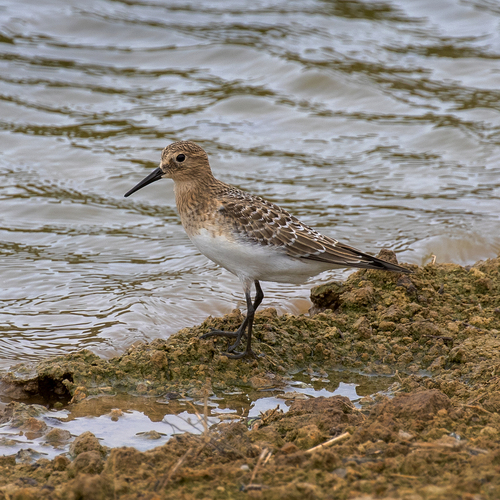 Gambecchio di Baird
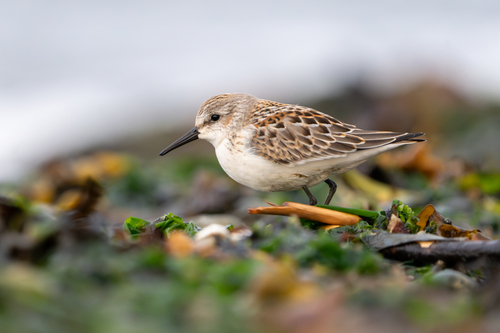 Gambecchio dell'Alaska
In breve
Il segno distintivo più affidabile tra il Gambecchio di Baird e il Gambecchio dell'Alaska è la lunghezza delle ali: il Gambecchio di Baird mostra ali notevolmente lunghe che si proiettano ben oltre la coda quando è posato, una caratteristica che il Gambecchio dell'Alaska non mostra mai. Entrambi sono piccoli uccelli costieri con gambe scure e una colorazione generale simile, ma sottili differenze nella struttura e nel piumaggio possono aiutare. Il Gambecchio dell'Alaska mostra spesso una corona rossastra nel piumaggio nuziale, mentre il Gambecchio di Baird è più uniformemente marrone e striato. La separazione può essere difficile, specialmente nel piumaggio non nuziale, ma prestare attenzione alla proiezione delle ali, alla forma del becco e alle differenze di colore stagionali sarà utile.
Consigli di identificazione
- Proiezione delle ali (tutte le età): Il Gambecchio di Baird ha ali che si estendono ben oltre la coda quando è posato, dando una parte posteriore lunga e affusolata. Le primarie del Gambecchio dell'Alaska non si proiettano oltre la punta della coda; la sua parte posteriore è più corta e squadrata.
- Schema del rump (volo, tutte le età): Il Gambecchio di Baird mostra una macchia nera sul rump in volo. Il Gambecchio dell'Alaska manca di questa caratteristica; il suo rump è semplice.
- Forma del becco (adulti, tutte le stagioni): Entrambi hanno becchi corti, scuri e sottili, ma il becco del Gambecchio dell'Alaska è più sottile alla punta e può mostrare una leggera curvatura, specialmente nelle femmine. Il becco del Gambecchio di Baird è dritto e uniformemente sottile.
- Colore della corona (adulti in riproduzione): Il Gambecchio dell'Alaska mostra spesso una corona marrone-rossastra e talvolta scapolari rufous nel piumaggio nuziale. Il Gambecchio di Baird è più uniformemente marrone e striato, con meno contrasto.
- Schema del petto (tutte le età): Il Gambecchio di Baird ha un petto marrone chiaro con fini striature scure che si estendono sui fianchi. Il petto del Gambecchio dell'Alaska è solitamente più pulito, con meno striature estese.
- Tono della parte superiore (tutte le età): Il Gambecchio di Baird è generalmente marrone più scuro sopra, specialmente nei giovani e negli uccelli con piumaggio fresco. Il Gambecchio dell'Alaska è più chiaro e grigiastro sopra in inverno.
- Colore delle gambe (tutte le età): Entrambi hanno gambe nere; questo non è un separatore.
- Tempistica della muta stagionale: Il Gambecchio dell'Alaska acquisisce il suo piumaggio invernale grigio semplice prima in autunno rispetto al Gambecchio di Baird. Gli uccelli di inizio autunno in piumaggio opaco sono più probabilmente Gambecchi dell'Alaska.
- Dimensioni e jizz: Il Gambecchio dell'Alaska è leggermente più pesante e può apparire un po' più grasso, ma questo è sottile e inaffidabile senza un confronto diretto.
- Proiezione della coda: La coda del Gambecchio di Baird appare più lunga e più appuntita a causa della proiezione delle ali; la coda del Gambecchio dell'Alaska è più corta e più squadrata.
- Trappole con altre specie: Entrambi possono essere confusi con altri 'peeps', ma l'aspetto delle lunghe ali è unico per il Gambecchio di Baird tra i piccoli gambecchi nordamericani, eccetto il Gambecchio di Bonaparte (che mostra un rump bianco, non nero).
- Contesto: Entrambe le specie possono essere trovate insieme in migrazione. Non fare affidamento sull'habitat o sulla composizione del gruppo per la separazione.
- Voce: Non sono fornite differenze vocali diagnostiche nelle fonti; non utilizzare il richiamo per la separazione qui.
- Confusione specifica per età: Gli uccelli giovani e di prima inverno sono particolarmente difficili; dare priorità alla proiezione delle ali e alla forma generale rispetto alle sottili differenze di colore in queste età.
- In volo: Cerca la macchia nera sul rump (Gambecchio di Baird) e le lunghe ali appuntite che si estendono oltre la coda (Gambecchio di Baird) rispetto al Gambecchio dell'Alaska, più compatto e con la coda squadrata.
Taglia
Entrambe le specie sono piccoli gambecchi, ma il Gambecchio dell'Alaska è leggermente più pesante in media (massa corporea circa 29,5 g [wikidata]). Lunghezza e apertura alare si sovrappongono, con il Gambecchio dell'Alaska elencato a 14–17 cm di lunghezza e 35–37 cm di apertura alare [wikipedia]. Non sono forniti dati diretti sulla massa per il Gambecchio di Baird, ma le differenze di dimensioni sono sottili e di solito non affidabili sul campo.
Piumaggio
Per tutte le età, il Gambecchio di Baird è meglio riconosciuto per le sue lunghe ali appuntite che si estendono ben oltre la coda quando è posato—una caratteristica non condivisa dal Gambecchio dell'Alaska. Gli uccelli giovani e non in riproduzione di entrambe le specie sono generalmente marroni sopra e bianchi sotto, ma il Gambecchio di Baird è più scuro sopra con un petto più striato e una macchia nera sul rump. Il Gambecchio dell'Alaska in piumaggio nuziale mostra una corona marrone-rossastra e talvolta scapolari rufous, mentre il Gambecchio di Baird rimane più uniformemente marrone e striato. In inverno, entrambe le specie diventano più semplici e grigiastre sopra, ma il Gambecchio di Baird mostra ancora ali più lunghe e un lato superiore più scuro. La macchia nera sul rump del Gambecchio di Baird è un segno utile in volo, ma fai attenzione alla confusione con altri 'peeps.'
Comportamento
Entrambe le specie si nutrono in modi simili, sondando le pianure fangose e le coste per invertebrati. Non sono notate forti differenze comportamentali nelle fonti per la separazione sul campo.
Habitat
Entrambe le specie utilizzano habitat simili durante la migrazione—pianure fangose, bordi dei laghi e coste marine. L'habitat non è un separatore affidabile tra questi due.
Gambecchio di Baird · Gambecchio dell'Alaska · I miei uccelli difficili