

Asian Dowitcher vs Limnodromo pettorossiccio
Limnodromus semipalmatus contro Limnodromus scolopaceus
Fai un quiz con Asian Dowitcher e Limnodromo pettorossiccio
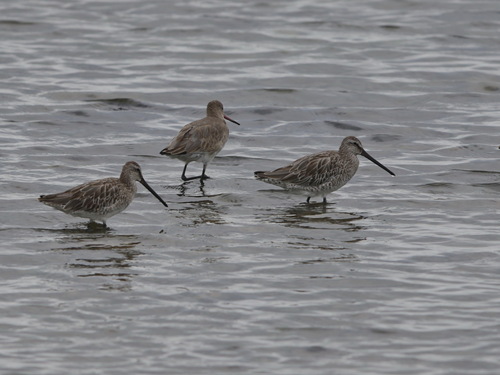 Asian Dowitcher
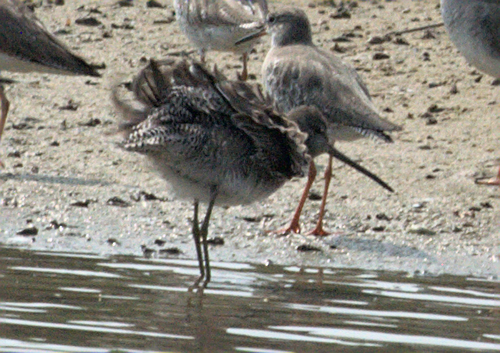 Limnodromo pettorossiccio
In breve
Il segno di campo più affidabile tra Asian Dowitcher e Limnodromo pettorossiccio è la presenza di un grande e luminoso posteriore bianco e di una parte superiore della coda visibile in volo su Limnodromo pettorossiccio di tutte le età, una caratteristica assente in Asian Dowitcher. Gli Asian Dowitchers giovanili e adulti non mostrano mai questa macchia bianca sul posteriore, mostrando invece una coda a barre nera e bianca più uniforme. Strutturalmente, Asian Dowitcher è notevolmente più pesante e di corporatura più grande, con un becco più corto rispetto alla lunghezza della testa, e ha zampe scure rispetto alle zampe giallastre di Limnodromo. Le differenze nel piumaggio di riproduzione sono sottili, ma Asian Dowitcher è più rossiccio sotto e più marrone sopra, mentre Limnodromo è ruggine con un dorso più scuro e maculato. I piumaggi invernali e giovanili sono molto simili, quindi le viste in volo e i segni strutturali sono critici. I richiami e il contesto dell'habitat possono aiutare, ma i segni visivi sono i più affidabili.
Consigli di identificazione
- Posteriore bianco in volo: Solo Limnodromo pettorossiccio (tutte le età) mostra un grande e luminoso posteriore bianco e una parte superiore della coda che si estende lungo la schiena in volo. Asian Dowitcher non mostra mai questa caratteristica; la sua coda è a barre nera e bianca in modo uniforme.
- Schema della coda (in pericolo): La coda di Limnodromo ha barre nere circa due volte più larghe del bianco; la coda di Asian è più uniformemente a barre.
- Lunghezza e struttura del becco: Il becco di Asian Dowitcher è lungo e dritto ma più corto di quello di Limnodromo, che è circa due volte la lunghezza della testa. Questo è meglio giudicato in confronto diretto o con esperienza.
- Colore delle zampe: Asian Dowitcher ha zampe scure; le zampe di Limnodromo pettorossiccio sono giallastre o verde oliva. Questo è sottile e può essere oscurato dalla melma.
- Dimensione e forma del corpo: Asian Dowitcher è molto più pesante e massiccio, con un aspetto più allungato e zampe più lunghe. Limnodromo è più compatto e robusto.
- Piumaggio di riproduzione (adulti): Asian Dowitcher è marrone sopra e rossiccio sotto; Limnodromo è ruggine sulla testa e sulle parti inferiori, con un dorso più scuro e maculato. Entrambi hanno code a barre, ma il modello del posteriore è diagnostico in volo.
- Piumaggio giovanile: I giovanili di Limnodromo hanno parti superiori frangiate di castagno e un petto grigio con un ventre inferiore ruggine chiaro; i giovanili di Asian Dowitcher sono meno ben descritti ma mancano del posteriore bianco e sono più uniformemente marroni e grigi.
- Piumaggio invernale/non riproduttivo: Entrambe le specie sono grigie sopra e più chiare sotto, rendendo difficile la separazione. Utilizzare la struttura, il colore delle zampe e il modello del posteriore in volo.
- Comportamento alimentare: Entrambe le specie utilizzano un rapido movimento a 'macchina da cucire', quindi questo non è diagnostico tra di loro.
- Habitat: Asian Dowitcher è più probabile che si trovi su fanghi costieri in Asia e Australasia; Limnodromo pettorossiccio preferisce habitat d'acqua dolce in Nord America.
- Voce: Asian Dowitcher emette un richiamo acuto; Limnodromo pettorossiccio emette un 'keek' o 'peep' acuto. Usare con cautela a meno che i richiami non siano chiaramente udibili.
- Supercilio e striscia loreale: Limnodromo pettorossiccio mostra un supercilio biancastro e una striscia loreale scura che si estende oltre l'occhio in tutti i piumaggi; il modello della testa di Asian Dowitcher è meno distinto.
- Sesso e età: Entrambe le specie sono sessualmente monomorfiche; le differenze di età sono più evidenti nel modello di volo (posteriore bianco per Limnodromo) e nei dettagli sottili del piumaggio.
- Trappole: In luce fioca o in viste scarse, la struttura e il modello del posteriore in volo sono i segni più affidabili. Gli uccelli invernali e giovanili sono particolarmente impegnativi; dare priorità alle viste in volo e alla dimensione/struttura del becco.
- Contesto: In Nord America, Asian Dowitcher è estremamente raro; in Asia, Limnodromo pettorossiccio è un vagabondo. Considerare sempre la posizione e la probabilità, ma non fare affidamento solo sulla distribuzione.
Taglia
Asian Dowitcher è sostanzialmente più pesante (180 g vs 104 g) e appare più massiccio e con zampe più lunghe sul campo. Il suo becco è lungo e dritto ma più corto di quello di Limnodromo pettorossiccio, che è circa due volte la lunghezza della testa e spesso appare proporzionalmente più lungo. La dimensione complessiva di Asian Dowitcher si avvicina a quella di un piccolo pettine, mentre Limnodromo pettorossiccio è più compatto e robusto.
Piumaggio
- Uccelli giovanili/primo anno in volo: Limnodromo pettorossiccio di tutte le età mostra un grande e luminoso posteriore bianco e una parte superiore della coda che si estende lungo la schiena, visibile solo in volo; Asian Dowitcher manca di questo, mostrando una coda a barre nera e bianca senza una macchia bianca sul posteriore.
- Piumaggio di riproduzione (adulti): Asian Dowitcher è marrone sopra e rossiccio sotto, con zampe scure e un becco dritto e scuro. Limnodromo pettorossiccio è ruggine sulla testa e sulle parti inferiori, con un dorso più scuro e maculato, e un distintivo posteriore bianco in volo. Entrambi hanno code a barre, ma il modello differisce: la coda di Limnodromo ha barre nere due volte più larghe del bianco, mentre quella di Asian è più uniformemente a barre.
- Piumaggio non riproduttivo (invernale): Entrambe le specie diventano per lo più grigie sopra e più chiare sotto, rendendo difficile la separazione tranne che per la struttura e il modello di volo. Asian Dowitcher rimane più grande e con zampe più scure.
- Piumaggio giovanile: I giovanili di Limnodromo pettorossiccio hanno parti superiori frangiate di castagno, un petto grigio uniforme e un ventre inferiore ruggine chiaro; i giovanili di Asian Dowitcher sono poco descritti ma mancano del posteriore bianco e mostrano un aspetto più uniforme marrone e grigio.
Comportamento
Entrambe le specie si nutrono con un rapido movimento a 'macchina da cucire', sondando la melma o l'acqua bassa. Asian Dowitcher è più probabile che venga visto in habitat costieri durante la migrazione e l'inverno, mentre Limnodromo pettorossiccio preferisce le zone umide d'acqua dolce. In volo, Asian Dowitcher appare più pesante e con zampe più lunghe, mentre Limnodromo è più compatto e mostra un posteriore bianco sorprendente. Entrambe le specie possono essere viste in gruppi, ma Asian Dowitcher è generalmente meno gregario.
Habitat
Asian Dowitcher nidifica in zone umide erbose interne della Siberia e della Manciuria, migrando verso aree costiere nel sud-est asiatico e nel nord dell'Australia. Si trova quasi sempre sulle coste al di fuori della stagione di nidificazione. Limnodromo pettorossiccio nidifica nell'Alaska settentrionale e preferisce habitat d'acqua dolce durante tutto l'anno, raramente avventurandosi verso le coste marine. Pertanto, trovare un dowitcher su un fanghi costieri in Asia è più probabile che sia Asian Dowitcher, mentre le paludi d'acqua dolce in Nord America favoriscono Limnodromo.
Voce
Asian Dowitcher emette un richiamo distintivo acuto, mentre il richiamo in volo di Limnodromo pettorossiccio è un 'keek' o 'peep' acuto e acuto. I richiami sono utili durante la migrazione e l'inverno quando i piumaggi sono simili, ma non sempre sono udibili sul campo.
Asian Dowitcher · Limnodromo pettorossiccio · I miei uccelli difficili