

Asian Brown Flycatcher vs Brown-breasted Flycatcher
Muscicapa dauurica contro Muscicapa muttui
Fai un quiz con Asian Brown Flycatcher e Brown-breasted Flycatcher
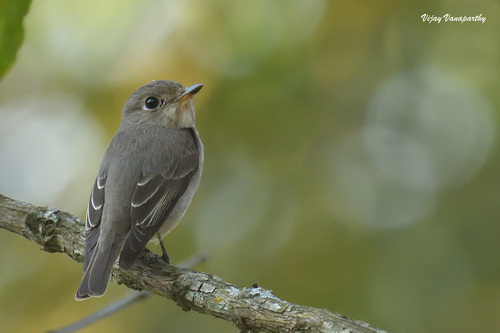 Asian Brown Flycatcher
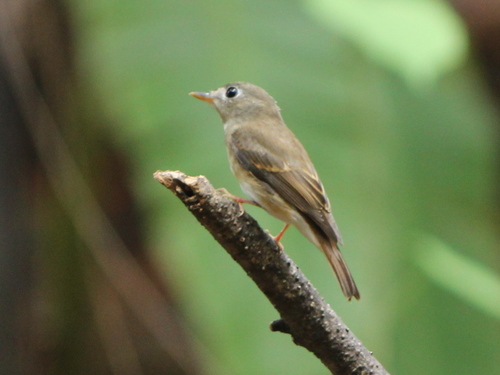 Brown-breasted Flycatcher
In breve
Il segno distintivo più affidabile tra Asian Brown Flycatcher e Brown-breasted Flycatcher è il colore delle gambe: l'Asian Brown ha gambe distintamente scure (nerastre), mentre il Brown-breasted mostra gambe chiare, color carne. Quando si osservano immaturi o uccelli in volo, controllare i toni rufous sulla coda e sulle penne alari—presenti nel Brown-breasted ma assenti nell'Asian Brown. Strutturalmente, l'Asian Brown appare più grigio e semplice, con un becco relativamente più grande e scuro, mentre il Brown-breasted è di un olivastro-bruno più caldo sopra e ha una mandibola inferiore più chiara. Entrambi sono piccoli e snelli, ma sottili differenze nel piumaggio e nella struttura, specialmente attorno al viso e alle parti inferiori, sono fondamentali per la separazione.
Consigli di identificazione
- Leg color: Asian Brown Flycatcher ha sempre gambe nerastre; Brown-breasted Flycatcher ha gambe chiare, color carne. Questo è il segno distintivo più affidabile a distanza ravvicinata.
- Bill color and shape: Il becco dell'Asian Brown è scuro e relativamente grande e a base larga, mentre il becco del Brown-breasted è più chiaro sotto (color carne) e appare più fine.
- Rufous in tail and wings: Il Brown-breasted mostra evidenti toni rufous sulle copritrici della coda superiore, sulle penne esterne della coda e sui bordi delle penne alari (tutte le età). L'Asian Brown manca di questi toni rufous ed è più semplice grigio-bruno sopra.
- Upperparts color: L'Asian Brown è grigio-bruno (diventando più grigio con l'età), mentre il Brown-breasted è olivastro-bruno con toni più caldi.
- Underparts: L'Asian Brown ha parti inferiori bianche con fianchi color marrone; il Brown-breasted ha un petto e lati marrone chiaro, con una pancia bianca e un mento/collo bianco.
- Facial pattern: Il Brown-breasted mostra un anello oculare chiaro e lore chiare, dando un viso più contrastante. Il viso dell'Asian Brown è più semplice, con 'occhiali' meno pronunciati.
- Juvenile/first-winter plumage: Il giovane Asian Brown è marrone squamoso sopra e sul petto, ma non mostra mai rufous nella coda o nelle ali. I giovani Brown-breasted mantengono i toni rufous.
- Tail length and shape: L'Asian Brown può apparire leggermente con la coda più lunga, ma questo è sottile e non sempre affidabile.
- Legs and feet in shade: In scarsa luce, il colore delle gambe può essere difficile da giudicare—utilizzare altri segni in questi casi.
- Habitat context: In foreste dense e umide, specialmente vicino al suolo, il Brown-breasted è più probabile; in boschi più aperti o ai margini, l'Asian Brown è più probabile.
- Flight views: Cercare rufous nei bordi della coda e delle ali per il Brown-breasted; l'Asian Brown apparirà semplice.
- Vocalizations: Se udito, una debole serie di 'tseet' o 'chi-chi-chi-chi' suggerisce il Brown-breasted, ma il silenzio o i richiami generici dei volatili non aiutano.
- Bill base color: La mandibola inferiore del Brown-breasted è chiara, a volte visibile anche da lontano; quella dell'Asian Brown è scura.
- Subtle subspecies variation: La sottospecie poonensis dell'Asian Brown Flycatcher è più chiara e marrone sopra, con un becco più profondo e parti inferiori più macchiate, ma manca ancora di rufous nella coda e ha gambe scure.
- Seasonal context: Nel sud dell'India e nello Sri Lanka in inverno, il Brown-breasted è più probabile in foreste dense, mentre l'Asian Brown è un migratore di passaggio o visitatore invernale in una gamma più ampia di habitat boschivi.
Taglia
Entrambe le specie sono molto simili in dimensioni, con il Brown-breasted Flycatcher che misura 13–14 cm di lunghezza e pesa circa 12 g. L'Asian Brown Flycatcher è lungo circa 13 cm, quindi non c'è effettivamente alcuna differenza di dimensione sul campo. Anche la struttura è simile, sebbene l'Asian Brown possa apparire leggermente con la coda più lunga e abbia un becco relativamente più grande e a base più larga.
Piumaggio
I giovani e i primi inverni di Asian Brown Flycatchers hanno parti superiori marrone squamoso, testa e petto, privi di toni rufous. Al contrario, il Brown-breasted Flycatcher di tutte le età mostra parti superiori olivastro-brune con rufous più brillanti sulle copritrici della coda superiore, sulle penne esterne della coda e sui bordi delle penne alari—un segno chiave, specialmente in volo o quando la coda è aperta. Gli adulti dell'Asian Brown sono grigio-bruni sopra (più grigi con l'età), con parti inferiori bianche e fianchi color marrone, mentre il Brown-breasted ha un petto e lati marrone chiaro, mento e collo bianchi, e pancia bianca color crema. Il Brown-breasted mostra anche un anello oculare chiaro e lore chiare, mentre il viso dell'Asian Brown è più semplice, a volte con 'occhiali' meno contrastanti. Il colore del becco è diagnostico: il becco dell'Asian Brown è scuro (soprattutto la mandibola inferiore), mentre quello del Brown-breasted è chiaro, color carne sotto. Il colore delle gambe è notevole: nerastro nell'Asian Brown, chiaro nel Brown-breasted.
Comportamento
Entrambe le specie si comportano come tipici Muscicapa, cacciando insetti da posatoi bassi a medi. Il Brown-breasted Flycatcher spesso cerca cibo più vicino al suolo della foresta e sotto la chioma, mentre l'Asian Brown è meno legato a foreste dense e può essere visto in habitat boschivi più aperti o ai margini. Non sono state notate differenze comportamentali significative nelle fonti.
Habitat
L'Asian Brown Flycatcher è più adattabile, trovato in una gamma di habitat boschivi, inclusi boschi aperti, margini forestali e talvolta giardini o parchi. Il Brown-breasted Flycatcher è più strettamente associato agli interni forestali, specialmente cercando cibo sotto la chioma e vicino al suolo. In inverno, il Brown-breasted si trova nel sud dell'India e nello Sri Lanka, mentre l'Asian Brown è un migratore diffuso in gran parte dell'Asia. È possibile una sovrapposizione durante la migrazione, ma la preferenza per l'habitat può aiutare: il Brown-breasted preferisce foreste più dense e umide.
Voce
Il Brown-breasted Flycatcher emette un molto debole 'tseet' o una serie di note 'chi-chi-chi-chi' che termina con un basso 'chit-chit', solitamente udibile solo a distanza ravvicinata. Non è stata descritta alcuna vocalizzazione distintiva per l'Asian Brown Flycatcher nelle fonti fornite, quindi la voce non è una separazione affidabile nella maggior parte delle situazioni sul campo.
Asian Brown Flycatcher · Brown-breasted Flycatcher · I miei uccelli difficili