
Ash-colored Tapaculo vs Rufous-vented Tapaculo
Myornis senilis contro Scytalopus femoralis
Fai un quiz con Ash-colored Tapaculo e Rufous-vented Tapaculo
 Ash-colored Tapaculo
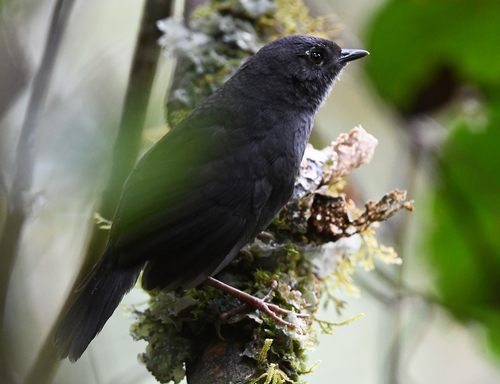 Rufous-vented Tapaculo
In breve
Il segno distintivo più affidabile tra Ash-colored Tapaculo e Rufous-vented Tapaculo è la colorazione generale degli adulti: Ash-colored Tapaculo è un uccello grigio medio o chiaro con poco motivo, mentre Rufous-vented Tapaculo è di un marrone più scuro sopra con un distintivo sottocoda rosso-bruno e fianchi e ventre con barre di cannella ben definite. Anche i giovani sono piuttosto diversi, con Ash-colored Tapaculo che mostra un marrone rossastro sopra e ocra sotto, rispetto al marrone del Rufous-vented con barre deboli sopra e giallo-ocra con barre scure sotto. Sul campo, cerca la presenza o l'assenza di un forte rufous e barre sui fianchi e sul ventre, così come la grigiore generale rispetto ai toni marroni. Dimensioni e struttura sono simili, ma Ash-colored Tapaculo è leggermente più lungo e snello, mentre Rufous-vented è un po' più pesante e compatto.
Consigli di identificazione
- Adult overall color: Ash-colored Tapaculo è grigio medio o chiaro con poco motivo; Rufous-vented Tapaculo è marrone scuro sopra con un sottocoda rosso-bruno e fianchi e ventre con barre di cannella ben definite. Questo è il segno distintivo migliore per gli adulti.
- Flank and vent pattern (adults): Rufous-vented Tapaculo mostra ampie barre scure sui fianchi e sul ventre di cannella, molto evidenti in buona luce. Ash-colored Tapaculo può avere una sfumatura di cannella sui fianchi/crissum ma non mostra mai barre ben definite.
- Juvenile underparts: I giovani di Ash-colored Tapaculo sono marrone ocra sotto senza barre forti. I giovani di Rufous-vented Tapaculo hanno parti inferiori giallo-ocra con barre scure distinte—cerca questo in qualsiasi giovane uccello.
- Juvenile upperparts: I giovani di Ash-colored Tapaculo sono marrone rossastro sopra, mentre i giovani di Rufous-vented sono marroni con barre deboli. La tonalità rossastra è unica per Ash-colored.
- Rump color: Gli adulti di Rufous-vented Tapaculo hanno un sottocoda rosso-bruno scuro, in contrasto con il resto della schiena. Ash-colored Tapaculo è grigio in tutto il corpo superiore.
- Head color: Rufous-vented Tapaculo ha una testa marrone scuro; Ash-colored Tapaculo ha una testa grigia, che corrisponde alla schiena.
- Underpart shade: Ash-colored Tapaculo è grigio chiaro sotto, a volte con un accenno di cannella sui fianchi. Rufous-vented Tapaculo è grigio più chiaro sulla gola, sul petto e sull'addome ma sempre con rufous e barre sui fianchi/ventre.
- Size and structure: Ash-colored Tapaculo è leggermente più lungo e snello; Rufous-vented è più corto e più pesante. Questo è sottile e non dovrebbe essere considerato a meno che gli uccelli non siano affiancati.
- Range: Se sei al di fuori del Perù, Ash-colored Tapaculo è l'unica opzione. All'interno del Perù, entrambi si trovano, quindi usa il piumaggio.
- No strong wing or flight pattern marks: Nessuna delle due specie mostra segni distintivi sulle ali superiori o sul volo, quindi concentrati sul piumaggio del corpo.
- Sex differences: Entrambe le specie mostrano pesi sovrapposti tra i sessi e non si nota un forte dimorfismo sessuale nel piumaggio.
- Population variation: Ash-colored Tapaculo può variare in oscurità tra le popolazioni, ma manca sempre delle barre ben definite e del ventre rufous di Rufous-vented.
- Habitat: Entrambe le specie utilizzano habitat forestali andini simili; l'habitat da solo non è diagnostico.
- Behavior: Entrambi sono schivi e segreti; il comportamento non li separa.
- Voice: Non sono disponibili note vocali comparative; non fare affidamento sul canto o sul richiamo per la separazione basata sulle fonti attuali.
Taglia
Ash-colored Tapaculo ha una lunghezza media di 14 cm e una massa di 21 g, rendendolo leggermente più lungo ma più leggero di Rufous-vented Tapaculo, che è di circa 12,5 cm e 23 g. Entrambe le specie si sovrappongono in peso, ma Ash-colored Tapaculo è più snello ed allungato, mentre Rufous-vented Tapaculo è più corto e un po' più massiccio. Queste differenze sono sottili e non sempre evidenti sul campo, quindi fai affidamento più sul piumaggio che sulla dimensione per l'identificazione.
Piumaggio
- Juveniles: I giovani di Ash-colored Tapaculo sono marrone rossastro sopra e marrone ocra sotto, privi di barre forti. I giovani di Rufous-vented Tapaculo sono marroni sopra con barre deboli e giallo-ocra sotto con barre scure—cerca queste barre sulle parti inferiori come segno distintivo.
- Adults: Gli adulti di Ash-colored Tapaculo sono grigi medi sopra e grigi più chiari sotto, a volte con un po' di cannella sui fianchi e sul crissum, ma mai con barre forti. Gli adulti di Rufous-vented Tapaculo hanno una testa e una schiena marrone scuro con un sottocoda rosso-bruno, parti inferiori grigie più chiare e fianchi e ventre di cannella prominenti con ampie barre scure. L'area del ventre barrato e rufous è diagnostica per Rufous-vented e mai eguagliata da Ash-colored.
- Upperwing pattern: Non sono notati segni distintivi di volo o pannelli sulle ali per nessuna delle due specie, quindi concentrati sulla colorazione del corpo e del ventre.
Comportamento
Entrambe le specie sono uccelli schivi tipici dei tapaculos, che si muovono attraverso la fitta vegetazione e raramente volano lontano. Il loro comportamento è simile sul campo, con entrambi che tendono a rimanere bassi e nascosti, quindi le differenze comportamentali non sono utili per la separazione.
Habitat
Ash-colored Tapaculo si trova in Colombia, Ecuador e Perù, mentre Rufous-vented Tapaculo è endemico del Perù. Se sei al di fuori del Perù, non ci si aspetta Rufous-vented. All'interno del Perù, entrambi possono verificarsi in habitat forestali andini e di margine simili, quindi la distribuzione è solo parzialmente utile. Le preferenze di microhabitat non sono abbastanza distinte da separarle in modo affidabile.
Ash-colored Tapaculo · Rufous-vented Tapaculo · I miei uccelli difficili