
Tapaculo Cenizo vs Churrín Ventrirrufo
Myornis senilis frente a Scytalopus femoralis
Juega un quiz con Tapaculo Cenizo y Churrín Ventrirrufo
 Tapaculo Cenizo
 Churrín Ventrirrufo
En breve
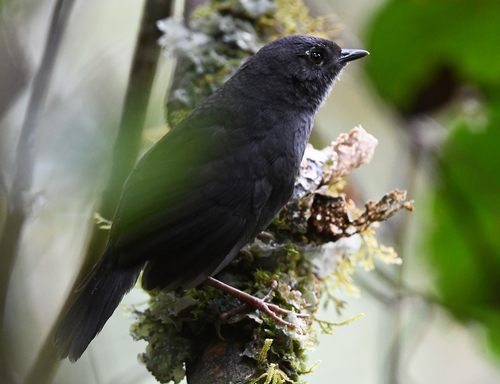
La marca de campo más confiable entre el Tapaculo Cenizo y el Churrín Ventrirrufo es la coloración general de los adultos: el Tapaculo Cenizo es un ave de color gris medio a pálido con poco patrón, mientras que el Churrín Ventrirrufo es de un marrón más oscuro por encima con un distintivo obispillo marrón rojizo y flancos y ventrículo con barras canela. Los juveniles también son bastante diferentes, con el Tapaculo Cenizo mostrando un marrón rojizo por encima y un color ocre por debajo, frente al marrón del Churrín Ventrirrufo con un leve patrón de barras por encima y un color amarillo-ocre con barras oscuras por debajo. En el campo, busca la presencia o ausencia de un fuerte color rufo y patrón de barras en los flancos y el ventrículo, así como la grisura general frente a los tonos marrones. El tamaño y la estructura son similares, pero el Tapaculo Cenizo es ligeramente más largo y esbelto, mientras que el Churrín Ventrirrufo es un poco más pesado y compacto.
Consejos de identificación
- Color general del adulto: El Tapaculo Cenizo es de color gris medio a pálido con poco patrón; el Churrín Ventrirrufo es de un marrón oscuro por encima con un obispillo marrón rojizo y flancos y ventrículo con barras canela. Esta es la mejor marca de campo para adultos.
- Patrón de flancos y ventrículo (adultos): El Churrín Ventrirrufo muestra amplias barras oscuras en los flancos y ventrículo canela, muy conspicuas en buena luz. El Tapaculo Cenizo puede tener un tinte canela en los flancos/crissum pero nunca muestra un patrón de barras fuerte.
- Partes inferiores juveniles: Los juveniles del Tapaculo Cenizo son de color marrón ocre por debajo sin un patrón de barras fuerte. Los juveniles del Churrín Ventrirrufo tienen partes inferiores amarillo-ocre con barras oscuras distintas; busca esto en cualquier ave joven.
- Partes superiores juveniles: Los juveniles del Tapaculo Cenizo son de color marrón rojizo por encima, mientras que los juveniles del Churrín Ventrirrufo son marrones con un leve patrón de barras. El tono rojizo es único del Tapaculo Cenizo.
- Color del obispillo: Los adultos del Churrín Ventrirrufo tienen un obispillo marrón rojizo oscuro, contrastando con el resto de la espalda. El Tapaculo Cenizo es gris en toda la parte superior.
- Color de la cabeza: El Churrín Ventrirrufo tiene una cabeza marrón oscura; el Tapaculo Cenizo tiene la cabeza gris, coincidiendo con la espalda.
- Sombra de las partes inferiores: El Tapaculo Cenizo es de un gris pálido por debajo, a veces con un toque de canela en los flancos. El Churrín Ventrirrufo es de un gris más pálido en la garganta, el pecho y el vientre, pero siempre con rufo y barras en los flancos/ventrículo.
- Tamaño y estructura: El Tapaculo Cenizo es ligeramente más largo y esbelto; el Churrín Ventrirrufo es más corto y pesado. Esto es sutil y no debe ser confiado a menos que las aves estén una al lado de la otra.
- Distribución: Si estás fuera de Perú, el Tapaculo Cenizo es la única opción. Dentro de Perú, ambos ocurren, así que usa el plumaje.
- Sin marcas fuertes en las alas o patrón de vuelo: Ninguna de las especies muestra marcas distintivas en las alas superiores o en el vuelo, así que enfócate en el plumaje del cuerpo.
- Diferencias sexuales: Ambas especies muestran pesos superpuestos entre sexos, y no se nota un fuerte dimorfismo sexual en el plumaje.
- Variación poblacional: El Tapaculo Cenizo puede variar en oscuridad entre poblaciones, pero siempre carece del fuerte patrón de barras y ventrículo rufo del Churrín Ventrirrufo.
- Hábitat: Ambas especies utilizan hábitats similares de bosques andinos; el hábitat por sí solo no es diagnóstico.
- Comportamiento: Ambas son aves secretivas y esquivas; el comportamiento no las separa.
- Voz: No hay notas vocales comparativas disponibles; no confíes en el canto o llamado para la separación según las fuentes actuales.
Tamaño
El Tapaculo Cenizo promedia 14 cm de longitud y 21 g de masa, lo que lo hace ligeramente más largo pero más ligero que el Churrín Ventrirrufo, que mide aproximadamente 12.5 cm y 23 g. Ambas especies se superponen en peso, pero el Tapaculo Cenizo es más esbelto y alargado, mientras que el Churrín Ventrirrufo es más corto y un poco más robusto. Estas diferencias son sutiles y no siempre son evidentes en el campo, así que confía más en el plumaje que en el tamaño para la identificación.
Plumaje
- Juveniles: Los juveniles del Tapaculo Cenizo son de color marrón rojizo por encima y marrón ocre por debajo, careciendo de un patrón de barras fuerte. Los juveniles del Churrín Ventrirrufo son marrones por encima con barras tenues y amarillo-ocre por debajo con barras oscuras; busca este patrón de barras en las partes inferiores como una marca clave.
- Adultos: Los adultos del Tapaculo Cenizo son de un gris medio por encima y un gris más pálido por debajo, a veces con un poco de canela en los flancos y crissum, pero nunca con un patrón de barras fuerte. Los adultos del Churrín Ventrirrufo tienen una cabeza y espalda marrón oscuro con un obispillo marrón rojizo, partes inferiores de un gris más pálido y flancos y ventrículo canela prominentes con amplias barras oscuras. El área ventral con barras y rufo es diagnóstica para el Churrín Ventrirrufo y nunca es igualada por el Tapaculo Cenizo.
- Patrón de las alas superiores: No se notan marcas distintivas de vuelo o paneles de alas para ninguna de las especies, así que enfócate en la coloración del cuerpo y el ventrículo.
Comportamiento
Ambas especies son aves terrestres esquivas típicas de los tapaculos, moviéndose a través de la densa maleza y rara vez volando lejos. Su comportamiento es similar en el campo, con ambas tendiendo a permanecer bajas y ocultas, por lo que las diferencias de comportamiento no son útiles para la separación.
Hábitat
El Tapaculo Cenizo se encuentra en Colombia, Ecuador y Perú, mientras que el Churrín Ventrirrufo es endémico de Perú. Si estás fuera de Perú, no se espera el Churrín Ventrirrufo. Dentro de Perú, ambos pueden ocurrir en hábitats similares de bosques andinos y bordes, por lo que la distribución solo es parcialmente útil. Las preferencias de microhábitat no son lo suficientemente distintas para separarlas de manera confiable.