

Ash-breasted Sierra Finch vs Uniform Finch
Geospizopsis plebejus contro Haplospiza unicolor
Fai un quiz con Ash-breasted Sierra Finch e Uniform Finch
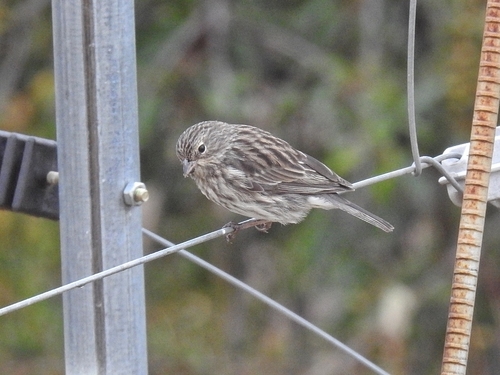 Ash-breasted Sierra Finch
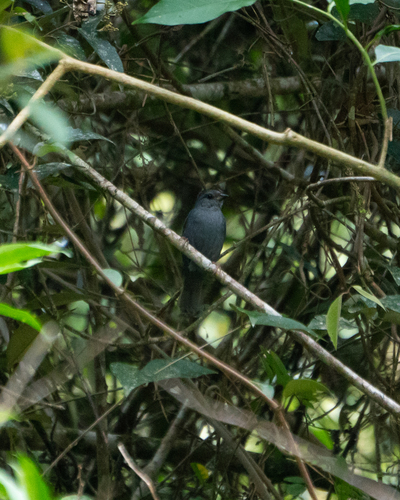 Uniform Finch
In breve
Il segno di campo più affidabile tra Ash-breasted Sierra Finch e Uniform Finch è il loro tono di piumaggio complessivo e l'habitat: Ash-breasted Sierra Finch è distintamente grigiastro con variabilità nella oscurità dei fianchi e delle ali a seconda della sottospecie, ed è trovato in habitat aperti ad alta quota, mentre Uniform Finch è un uccello di colore più uniforme delle foreste umide di pianura e montagna. Se vedi un piccolo finch dalla coda corta in terreni aperti, arbustivi o erbosi ad alta quota, è quasi certamente un Ash-breasted Sierra Finch; un uccello di dimensioni simili in una foresta umida e densa è probabilmente un Uniform Finch. Le differenze strutturali sono sottili, ma Ash-breasted Sierra Finch tende a sembrare più compatto e con la coda più corta. I dettagli sul pattern delle ali immaturi/non descritti per nessuna delle due specie, quindi concentrati sul colore complessivo, l'habitat e la struttura.
Consigli di identificazione
- L'habitat è il primo controllo: Ash-breasted Sierra Finch si trova in arbusteti o praterie aperte ad alta quota, mentre Uniform Finch è un uccello delle foreste umide, spesso di pianura o di collina. Se sei in una foresta, inclina fortemente verso Uniform Finch.
- Tono di colore complessivo: Ash-breasted Sierra Finch è generalmente grigiastro, a volte con fianchi più scuri e ali/coda nerastre (soprattutto in alcune sottospecie), mentre Uniform Finch è più uniforme nel colore, privo di forti contrasti tra corpo e ali/coda.
- Struttura della coda e del corpo: Ash-breasted Sierra Finch tende a sembrare dalla coda corta e compatto. Uniform Finch può apparire più proporzionato, ma questo è sottile e non sempre affidabile a distanza.
- Variazione delle sottospecie in Ash-breasted Sierra Finch: Alcune popolazioni (ad es., G. p. naroskyi) sono più piccole, più grigiastre e hanno ali e coda nerastre; altre sono meno striate o più brune. Uniform Finch non mostra questa variazione.
- Nessun forte pattern delle ali: Nessuna delle due specie è descritta come avente marcature distintive delle ali giovanili o immature, quindi non fare affidamento sui pattern delle ali superiori in volo.
- Colore dei fianchi: Fianchi più scuri in alcune sottospecie di Ash-breasted Sierra Finch (ad es., G. p. naroskyi) possono aiutare a separare dal più uniformemente colorato Uniform Finch.
- Forma e colore del becco: Non descritto in dettaglio per nessuna delle due specie, quindi non è un separatore affidabile qui.
- Cambiamenti stagionali: Nessuna informazione sui cambiamenti del piumaggio stagionali per nessuna delle due specie; assumere che adulti e immaturi siano simili nei loro rispettivi pattern di colore.
- Differenze sessuali: Non descritto; trattare entrambi i sessi come simili per l'identificazione sul campo.
- Gamma geografica: Ash-breasted Sierra Finch è diffuso nelle Ande, mentre Uniform Finch è ristretto alla regione della Foresta Atlantica. Usa la gamma come un forte indizio di supporto.
- Comportamento di foraggiamento: Aspettati che Ash-breasted Sierra Finch sia più spesso a terra o in arbusti bassi in aree aperte, mentre Uniform Finch sarà nella bassa vegetazione di foreste dense.
- Rischio di confusione: Se vedi un piccolo finch grigiastro in terreni aperti e ad alta quota, è quasi certamente un Ash-breasted Sierra Finch. Un uccello simile in una foresta umida è probabilmente un Uniform Finch.
- Nessun indizio di vocalizzazione: Nessun dettaglio su canto o richiamo è fornito, quindi non fare affidamento sulla voce per la separazione in questa coppia.
- Confusione giovanile/immatura: Poiché non sono descritti segni distintivi immaturi, usa gli stessi segni di campo degli adulti.
- Quando hai dubbi, dai priorità all'habitat e al colore complessivo: Questi sono i separatori più coerenti e affidabili per questa coppia.
Taglia
Ash-breasted Sierra Finch è un piccolo finch, misurando 11–11.5 cm di lunghezza e pesando 13–17.4 g [wikipedia]. Non sono fornite misurazioni dirette per Uniform Finch, ma entrambi sono considerati piccoli tangeri/finch. Aspettati che siano simili in dimensioni, ma Ash-breasted Sierra Finch può apparire leggermente più compatto e con la coda più corta sul campo.
Piumaggio
Nessun segno specifico per età delle ali o pattern di volo è descritto per nessuna delle due specie. Per gli adulti, Ash-breasted Sierra Finch varia per sottospecie: la maggior parte è grigiasta nel complesso, con alcune popolazioni che mostrano fianchi più scuri, ali e coda nerastre, e meno colorazione brunastra. Il Uniform Finch è descritto come 'uniforme' nel colore, privo di forti contrasti tra corpo e ali/coda, e non mostra l'aspetto grigiastro o con fianchi scuri di alcuni Ash-breasted Sierra Finches. Nessuna informazione è fornita per i piumaggi giovanili o immaturi per nessuna delle due specie, quindi assumere che adulti e immaturi siano simili nella loro rispettiva uniformità o grigiore.
Comportamento
Il comportamento non è dettagliato per nessuna delle due specie nelle note fornite. Tuttavia, è probabile che Ash-breasted Sierra Finch venga visto foraggiare a terra o in arbusti bassi in habitat aperti, mentre Uniform Finch si troverebbe nella bassa vegetazione o nei livelli inferiori di foreste umide dense. Lo stile di volo e il comportamento di foraggiamento possono differire di conseguenza, ma questo non è esplicitamente descritto.
Habitat
L'habitat è un forte separatore: Ash-breasted Sierra Finch abita in arbusteti secchi subtropicali o tropicali, arbusteti ad alta quota e praterie ad alta quota attraverso le Ande di Argentina, Bolivia, Cile, Ecuador e Perù [wikipedia]. Al contrario, Uniform Finch è ristretto alla Foresta Atlantica meridionale del Brasile, Paraguay e nel nord-est dell'Argentina, favorendo foreste umide subtropicali o tropicali di pianura e montagna [wikipedia]. Se sei in terreni aperti, asciutti o ad alta quota, aspettati Ash-breasted Sierra Finch; in pianure umide e forestali o nelle colline, cerca Uniform Finch.
Ash-breasted Sierra Finch · Uniform Finch · I miei uccelli difficili