

Labbo vs South Polar Skua
Stercorarius parasiticus contro Stercorarius maccormicki
Fai un quiz con Labbo e South Polar Skua
 Labbo
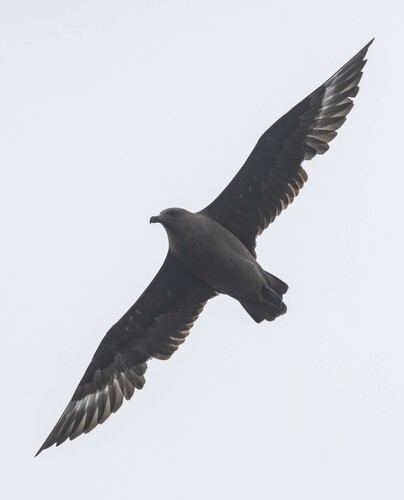 South Polar Skua
In breve
Il segno di campo più affidabile tra Labbo e South Polar Skua è la dimensione e la struttura: South Polar Skua è molto più grande, con un massiccio petto a botte e una corporatura pesante, mentre Labbo è notevolmente più piccolo e snello. In volo, entrambi mostrano un lampo bianco sulle ali, ma quello di South Polar Skua è impostato in un'ala più ampia e potente. I Labbo adulti (soprattutto le forme chiare) hanno una distintiva proiezione centrale della coda appuntita, assente in South Polar Skua. Gli uccelli giovanili e le forme scure sono più difficili da distinguere, ma South Polar Skua appare sempre più robusto e con toni più freddi. Se vedi uno skua dalla riva e sembra piccolo, agile e simile a una sterna, è quasi certamente un Labbo.
Consigli di identificazione
- Dimensione e struttura sono i segni di campo più affidabili: South Polar Skua è molto più grande e robusto, con un petto a botte e un collo spesso. Labbo è più piccolo, snello e più aerodinamico. Questo è vero per tutte le età e forme.
- Forma della coda negli adulti: Il Labbo adulto (soprattutto le forme chiare) ha un streamer centrale della coda appuntito, che si estende di circa 7 cm oltre il resto della coda. South Polar Skua manca di questa caratteristica e ha una coda più squadrata.
- Forma dell'ala e stile di volo: Labbo è più agile e simile a un falco, con ali più strette e un volo rapido e acrobatico. South Polar Skua ha ali più ampie e un volo più lento, potente e diretto.
- Lampo bianco sulle ali: Entrambe le specie mostrano un lampo bianco sulle ali, ma in South Polar Skua è impostato in un'ala più ampia e può apparire più prominente a causa della dimensione dell'uccello. Questo segno da solo non è diagnostico.
- Toni del piumaggio: Labbo (soprattutto i giovanili e gli intermedi) è generalmente di un marrone più caldo, mentre South Polar Skua è di un marrone più freddo o grigiastro. Questo è sottile e meglio utilizzato in combinazione con la struttura.
- Contrasto tra testa e collo: Il South Polar Skua adulto (forme chiare/intermedie) mostra un forte contrasto tra una testa chiara (biancastra o marrone paglierino) e un corpo più scuro. Il Labbo (forma chiara) ha una testa e un collo bianco-giallastro con un cappello nero, ma il contrasto è meno netto.
- Confusione giovanile: Il Labbo giovanile è più marrone e snello, con una coda più corta ma ancora appuntita. Il South Polar Skua giovanile è più robusto, di un marrone più freddo e manca della coda appuntita. Usa la struttura e il comportamento piuttosto che il piumaggio nei giovanili.
- Colore del becco: South Polar Skua può mostrare una base blu sul becco (soprattutto nei giovanili e nelle forme scure), ma questo è sottile e difficile da vedere a distanza.
- Habitat e distribuzione: Se ti trovi nell'emisfero settentrionale, specialmente vicino alla riva, uno skua piccolo è quasi certamente un Labbo. South Polar Skua è un raro vagabondo al di fuori degli oceani meridionali.
- Comportamento: Labbo è più probabile che venga visto mentre esegue inseguimenti agili di sterne e gabbiani. South Polar Skua si affida di più alla forza bruta ed è meno acrobatico.
- Postura in perching: South Polar Skua appare massiccio e con un petto pesante quando è in perching; Labbo è più compatto e meno imponente.
- Trappole delle forme di piumaggio: Entrambe le specie hanno forme chiare, intermedie e scure, quindi il colore da solo non è un separatore sicuro. Usa sempre prima dimensione e struttura.
- Voce: Non è un separatore affidabile; il Labbo emette richiami nasali nei luoghi di nidificazione, ma entrambi sono solitamente silenziosi lontano dai nidi.
- Stagione e contesto: I Labbo adulti con streamer della coda sono visibili solo durante la stagione di nidificazione; i giovanili e gli uccelli non nidificanti mancano della lunga coda ma mantengono una struttura snella. South Polar Skua è improbabile al di fuori degli oceani meridionali, tranne che in migrazione.
- Abbondanza relativa: Labbo è il jaeger più comune visto dalla riva a nord. South Polar Skua è raro o assente nella maggior parte dell'emisfero settentrionale.
Taglia
South Polar Skua è drammaticamente più pesante (massa media adulta ~1349 g) e più lungo (circa 53 cm) rispetto a Labbo (41–48 cm, massa 300–650 g). Sul campo, South Polar Skua appare molto più robusto, con un petto a forma di botte e un collo spesso, mentre Labbo è compatto e più aerodinamico. Questa differenza di dimensione è solitamente ovvia anche a distanza, specialmente quando vista accanto a gabbiani o sterne.
Piumaggio
I piumaggi giovanili e immaturi sono la principale fonte di confusione. Entrambe le specie possono mostrare forme scure, intermedie e chiare, e entrambe hanno un lampo bianco sulle ali, ma il contesto e la struttura aiutano. Il Labbo giovanile è più marrone e con toni più caldi, con un volo più simile a un falco e una proiezione centrale della coda appuntita (anche se più corta rispetto agli adulti). Il South Polar Skua giovanile è di un marrone più freddo, più robusto e manca della coda appuntita. Gli adulti di entrambe le specie possono mostrare teste chiare in contrasto con corpi più scuri, ma in South Polar Skua questo contrasto è più netto e la testa è spesso di un marrone paglierino o bianco. Il Labbo adulto (forma chiara) ha una testa e un collo bianco-giallastro con un cappello nero, e uno streamer centrale della coda appuntito. Le forme scure di entrambi sono per lo più di un marrone scuro, ma quella di South Polar Skua è più fredda e uniforme. In tutte le età, il lampo bianco sulle ali di South Polar Skua è impostato in un'ala più ampia e potente.
Comportamento
Entrambe le specie sono parassiti aggressivi, infastidendo gabbiani e sterne per il cibo. Labbo è più agile e simile a un falco in volo, spesso eseguendo inseguimenti acrobatici. South Polar Skua è meno agile ma più potente, facendo affidamento sulla forza bruta e su un volo diretto. A terra, South Polar Skua appare più imponente e dominante a causa della sua dimensione e postura.
Habitat
Labbo nidifica nella tundra, nelle alte colline e nelle isole dell'emisfero settentrionale, ed è il jaeger più comune visto dalla riva nel suo areale. South Polar Skua nidifica in Antartide ed è raramente incontrato al di fuori degli oceani meridionali, tranne che come raro vagabondo. Se ti trovi nell'emisfero settentrionale al di fuori della regione antartica, uno skua piccolo è quasi certamente un Labbo. South Polar Skua è raramente, se non mai, registrato in modo affidabile nell'Atlantico settentrionale al di fuori della migrazione.
Voce
Labbo è solitamente silenzioso tranne che nei luoghi di nidificazione, dove emette richiami nasali e lamenti. Le vocalizzazioni di South Polar Skua non sono descritte nelle note fornite, ma entrambe le specie sono generalmente silenziose in mare e raramente vocalizzano durante la migrazione. La voce non è un segno di campo affidabile per la separazione.