

American Woodcock vs Beccaccia
Scolopax minor contro Scolopax rusticola
Fai un quiz con American Woodcock e Beccaccia
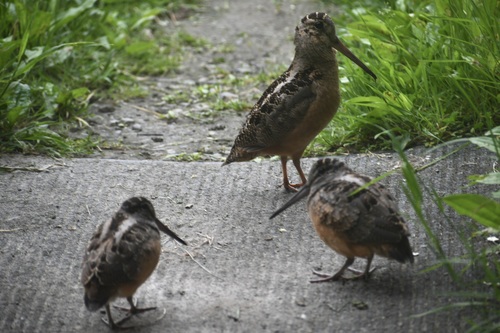 American Woodcock
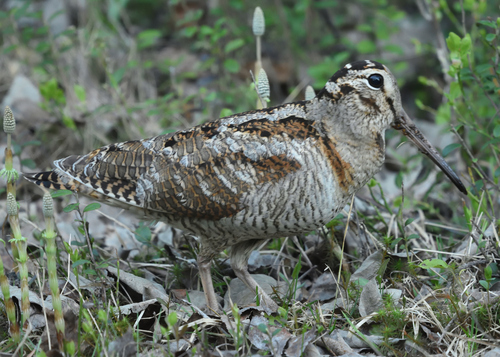 Beccaccia
In breve
Il segno di campo più affidabile tra American Woodcock e Beccaccia è la dimensione: la Beccaccia è nettamente più grande e con ali più lunghe, con un becco più lungo e un'apertura alare più ampia. Entrambe le specie hanno un camuffamento criptico marrone, nero e grigio, ma l'American Woodcock mostra parti superiori marrone rossiccio più ricche e parti inferiori color crema, mentre la Beccaccia è più attenuata e grigia. In volo, entrambe appaiono tozze con ali arrotondate, ma le ali e il corpo della Beccaccia sono visibilmente più robusti. La lunghezza e la struttura del becco sono anche utili: il becco della Beccaccia è più lungo e più robusto. L'habitat e l'areale sono diagnostici: l'American Woodcock si trova solo in Nord America, la Beccaccia solo in Eurasia, quindi il contesto è cruciale. Le vocalizzazioni e i voli di corteggiamento differiscono, ma questi sono raramente sentiti fianco a fianco.
Consigli di identificazione
- La dimensione è il segno di campo più affidabile: La Beccaccia è molto più grande e pesante dell'American Woodcock, con un'apertura alare e un becco più lunghi. Se l'uccello appare notevolmente grande e tozzo per un beccaccia, è probabile che sia la Beccaccia.
- Lunghezza e spessore del becco: Il becco della Beccaccia è più lungo (6–8 cm) e più robusto di quello dell'American (6.4–7.1 cm), ma questo è sottile a meno che non venga visto molto bene o in mano.
- Tono del piumaggio: La Beccaccia ha parti superiori marrone rossiccio più ricche e parti inferiori color crema; l'American è più opaco, di un marrone-grigio complessivo. Questo è meglio giudicato in buona luce.
- Schema della testa: La testa della Beccaccia è barrata di nero; quella dell'American è più attenuata, ma questo non è un segno di campo forte a meno che non venga visto molto da vicino.
- Forma delle ali e del corpo in volo: La Beccaccia appare più tozza, con ali più larghe e lunghe e un corpo più robusto. L'American appare più compatto e arrotondato.
- Habitat e areale: L'American Woodcock si trova solo in Nord America; la Beccaccia solo in Eurasia. Considera sempre prima la posizione.
- Comportamento: Entrambe le specie camminano con un movimento dondolante e cercano cibo, ma questo non è diagnostico.
- Volo di corteggiamento e vocalizzazioni: I maschi americani emettono un suono 'peent' ronzante e un suono di volo cinguettante; i maschi della Beccaccia emettono chiamate 'orr, orr, orr, pist' durante il volo di corteggiamento. Questi sono distintivi ma raramente confrontati direttamente.
- Dimorfismo sessuale: Entrambe le specie mostrano differenze di dimensione tra i sessi, ma solo la femmina dell'American Woodcock è notevolmente più grande del maschio; nella Beccaccia, i maschi sono più grandi, ma i sessi non possono essere separati sul campo.
- Colore delle gambe: Le gambe della Beccaccia variano dal grigio al rosa; quelle dell'American non sono descritte in modo distintivo, quindi non sono un separatore affidabile.
- Camuffamento: Entrambi sono estremamente ben camuffati a terra; non fare affidamento solo sul piumaggio a meno che tu non abbia un confronto diretto.
- Piumaggio giovanile/immaturo: Non sono descritte differenze di schema alare specifiche per età tra queste due specie nelle fonti; non fare affidamento su questo segno.
- Contesto: Se ti trovi in una regione in cui si trova solo una specie, quella è quasi sempre l'identificazione corretta.
- Trappola: Non fare affidamento solo sul volo di corteggiamento a meno che tu non sia familiare con i suoni e i comportamenti di entrambe le specie.
- In mano o a distanza molto ravvicinata: Il colore più ricco della Beccaccia e il becco più lungo possono aiutare, ma sul campo, dimensione e posizione sono i tuoi migliori indizi.
Taglia
La Beccaccia è significativamente più grande: gli adulti misurano 33–38 cm di lunghezza con un'apertura alare di 55–65 cm e un becco lungo 6–8 cm. L'American Woodcock è più piccolo: 25–30 cm di lunghezza, apertura alare di 42–48 cm e un becco lungo 6.4–7.1 cm. La Beccaccia è più pesante e tozza nel complesso, con un aspetto più largo e con ali più lunghe in volo. Le femmine di American Woodcock sono più grandi dei maschi, ma anche il più grande American è più piccolo della Beccaccia. Se viste fianco a fianco (raro in natura), la Beccaccia apparirebbe molto più robusta e con un becco più lungo.
Piumaggio
Entrambe le specie sono superbamente camuffate con toni marroni, neri e grigi o rossicci, ma la Beccaccia ha parti superiori marrone rossiccio più pronunciate e parti inferiori color crema, mentre l'American è generalmente più opaco, con più grigio e meno ruggine. La testa della Beccaccia è barrata di nero, non striata, e il suo piumaggio è intricatamente decorato. L'American Woodcock ha una testa grande e arrotondata con un aspetto più attenuato e grigiastro nel complesso. I piumaggi giovanili e immaturi non sono descritti come distintamente diversi tra queste due specie nelle fonti, quindi il modello alare specifico per età non è un separatore affidabile qui. In mano o a distanza ravvicinata, il colore più ricco della Beccaccia e il color crema più esteso sotto possono aiutare, ma sul campo, questi sono sottili e facilmente trascurati.
Comportamento
Entrambe le specie trascorrono la maggior parte del loro tempo a terra in habitat densi, cespugliosi o boschivi, facendo affidamento sul camuffamento e su una camminata lenta e dondolante mentre cercano cibo. Entrambe eseguono voli di corteggiamento aerei elaborati all'alba e al tramonto in primavera: i maschi di American Woodcock spiraleggiano in alto e scendono con ali cinguettanti, mentre i maschi della Beccaccia eseguono voli di 'roding' con chiamate distintive. Il comportamento di foraggiamento è simile, cercando invertebrati con i loro lunghi becchi. L'American Woodcock a volte dondola il corpo mentre cammina, un comportamento visto anche nella Beccaccia ma meno enfatizzato nelle note.
Habitat
L'habitat è un forte separatore: l'American Woodcock si trova solo nell'est del Nord America, preferendo habitat cespugliosi e giovani foreste, spesso vicino a terreni umidi. La Beccaccia occupa l'Eurasia temperata e subartica, in boschi e talvolta in alte eriche, con una preferenza per coperture criptiche. Entrambi evitano il terreno aperto e sono raramente visti in campo aperto. Se ti trovi in Nord America, stai quasi certamente vedendo un American; in Eurasia, la Beccaccia è quella predefinita.
Voce
I maschi di American Woodcock emettono un breve 'peent' ronzante a terra, seguito da un suono alto e cinguettante in volo prodotto dalle loro piume delle ali. I maschi di Beccaccia emettono una serie di chiamate 'orr, orr, orr, pist' durante i loro voli di corteggiamento. Queste vocalizzazioni non sono simili e sono improbabili da confondere, ma entrambe sono più spesso udite all'alba o al tramonto in primavera. Le chiamate sono raramente diagnostiche a meno che tu non sia familiare con i voli di corteggiamento di entrambe le specie.