

American Goshawk vs Broad-winged Hawk
Astur atricapillus contro Buteo platypterus
Fai un quiz con American Goshawk e Broad-winged Hawk
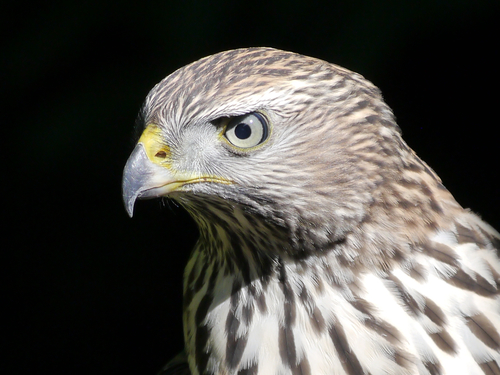 American Goshawk
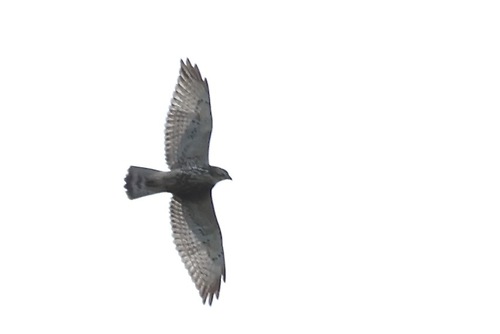 Broad-winged Hawk
In breve
I giovani American Goshawks e Broad-winged Hawks possono essere confusi in volo, ma guarda prima il modello di striature sulle parti inferiori: i giovani goshawks mostrano striature pesanti, anche verticali, mentre i giovani broad-wings hanno striature più leggere e longitudinali. In tutte le età, la struttura è un indizio importante: i goshawks sono più robusti con corpi più larghi e code più lunghe, mentre i broad-wings sono compatti con code più corte e ali nettamente affusolate. Il piumaggio adulto è più facilmente separabile grazie alla fine striatura grigia del goshawk e alle audaci barre orizzontali e alla coda a bande del broad-wing. Negli uccelli in posa, nota la robustezza e l'espressione feroce del goshawk rispetto all'aspetto più piccolo e delicato del broad-wing. Anche lo stile di volo e la forma delle ali differiscono notevolmente.
Consigli di identificazione
- Juvenile underpart streaking: I giovani American Goshawks hanno striature pesanti, anche verticali, sul petto e sull'addome; i giovani Broad-winged Hawks hanno striature più leggere, meno dense e più longitudinali. Questo è il segno più affidabile per gli immaturi.
- Adult underpart barring: I goshawks adulti mostrano una fine striatura grigia sotto, mai ruggine; i broad-wings adulti hanno barre orizzontali audaci sulle parti inferiori bianche.
- Tail pattern: I Broad-winged Hawks (tutte le età) hanno una coda corta con due o tre bande bianche distinte; i goshawks hanno una coda più lunga con striature meno definite.
- Wing shape in flight: I Broad-winged Hawks hanno ali corte, larghe e nettamente affusolate; gli American Goshawks hanno ali più lunghe e più larghe e una coda più lunga, dando un profilo più rettangolare o a forma di pala.
- Overall structure: I goshawks sono più robusti, con un petto largo e una coda relativamente più corta per le loro dimensioni; i broad-wings sono compatti e meno robusti.
- Flight style: I goshawks usano battiti d'ali profondi, lenti e deliberati; i broad-wings battono le ali più rapidamente e planano con ali piatte.
- Facial expression: I goshawks hanno un aspetto feroce e con un sopracciglio pesante; i broad-wings appaiono più gentili e con una testa più piccola.
- Perched jizz: I goshawks in posa sembrano grandi, con spalle larghe e code lunghe; i broad-wings sono visibilmente più piccoli e più compatti.
- Plumage pitfalls: I giovani di entrambe le specie sono marroni sopra e striati sotto, ma la densità e il modello delle striature differiscono. Non fare affidamento solo sul colore generale.
- Dark morph confusion: I rari broad-wings a morfologia scura sono molto scuri nel complesso ma hanno comunque code corte e ali compatte; i goshawks non mostrano mai questa morfologia.
- Migration context: Grandi stormi di rapaci in volo sono quasi sempre broad-wings, non goshawks.
- Range overlap: Entrambi possono verificarsi nell'est del Nord America, ma i goshawks sono meno comuni e più riservati, specialmente durante la migrazione.
- Size in the field: Se hai un confronto diretto, il goshawk apparirà sempre più grande e robusto di un broad-winged hawk.
- Tail length relative to wings: Le code dei goshawks si proiettano bene oltre le punte delle ali quando sono in posa; le code dei broad-wings sono corte e si proiettano a malapena.
- Confusion with other raptors: Se sospetti un Cooper's Hawk, controlla le striature a forma di goccia (Cooper's) rispetto alle striature uniformi (goshawk), ma i broad-wings dovrebbero essere separati per struttura e modello della coda.
Taglia
Gli adulti American Goshawks sono sostanzialmente più grandi e robusti dei Broad-winged Hawks. I goshawks hanno un corpo visibilmente più largo e una coda più lunga, mentre i broad-wings sono Buteos di dimensioni medie con code più corte e proporzioni più compatte. Il broad-winged hawk misura 32–44 cm di lunghezza con un'apertura alare di 74–100 cm, mentre i goshawks sono più grandi (numeri esatti non forniti qui, ma nessuna sovrapposizione nella lunghezza delle ali e della coda secondo studi morfometrici). Il peso può sovrapporsi raramente a causa della variazione stagionale, ma la struttura è costantemente diversa.
Piumaggio
Il piumaggio giovanile è il principale punto di confusione. I giovani American Goshawks hanno striature pesanti, anche verticali, sul petto e sull'addome, mancando della forma a 'goccia' vista nei giovani Cooper's Hawks e mostrando striature più solide rispetto ai giovani Broad-winged Hawks. I giovani broad-wings hanno striature più longitudinali (verticali), ma sono più leggere e meno dense rispetto ai goshawks, e le loro parti inferiori sono complessivamente più chiare. Gli adulti sono più facili: i goshawks hanno una fine striatura grigia sotto e non mostrano mai toni rugginosi, mentre i broad-wings hanno parti superiori marroni scure, parti inferiori bianche con audaci striature orizzontali e una coda con bande bianche distinte. La coda del broad-wing è più corta e mostra un colore grigio-nero scuro con linee bianche al centro, alla base e alla punta. I broad-wings a morfologia scura sono rari e molto più scuri nel complesso, ma mostrano comunque la coda corta e la forma compatta. In volo, i broad-wings hanno ali corte, larghe e affusolate, mentre i goshawks hanno ali più lunghe e più larghe e una coda proporzionalmente più lunga.
Comportamento
Lo stile di volo è un forte separatore: gli American Goshawks hanno battiti d'ali più profondi, più deliberati e più lenti rispetto al volo più veloce e più galleggiante dei Broad-winged Hawks. I goshawks appaiono spesso potenti e diretti, a volte planando con le ali leggermente arcuate. I broad-wings planano con ali piatte, spesso in grandi stormi durante la migrazione, e mostrano un volo più compatto e frenetico quando non stanno planando. In posa, i goshawks sembrano imponenti e grandi, mentre i broad-wings sono più piccoli e meno robusti.
Habitat
Gli American Goshawks sono uccelli di foreste mature, spesso in profondità nei boschi e meno probabili da vedere in aree aperte. I Broad-winged Hawks sono anche rapaci forestali ma sono più probabili da vedere ai margini delle foreste o planando sopra i boschi, specialmente durante la migrazione. Durante la migrazione, i broad-wings formano grandi gruppi, comportamento che non si osserva nei goshawks.
American Goshawk · Broad-winged Hawk · I miei uccelli difficili