

Piviere americano vs Piviere orientale
Pluvialis dominica contro Pluvialis fulva
Fai un quiz con Piviere americano e Piviere orientale
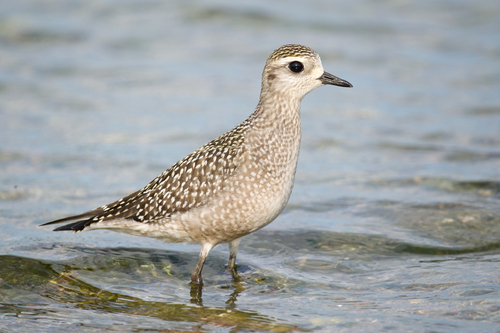 Piviere americano
 Piviere orientale
In breve
Il segno di campo più affidabile tra Piviere americano e Piviere orientale è l'estensione e la forma del nero sulle parti inferiori in abito nuziale: il Piviere americano mostra un ventre e un sottocoda neri solidi, mentre il Piviere orientale di solito ha del bianco sui fianchi o sul sottocoda. Fuori dall'abito nuziale, entrambe le specie sono molto simili, ma il Piviere orientale tende ad essere più snello, con zampe più lunghe e mostra più giallo sulla schiena. Le differenze strutturali—specialmente la lunghezza delle zampe e la forma del corpo—sono sottili ma utili quando il piumaggio è ambiguo. Gli uccelli juvenili e di primo estate sono particolarmente difficili, con parti inferiori nere incomplete e macchie dorate variabili, quindi dovrebbero essere controllate più caratteristiche.
Consigli di identificazione
- Parti inferiori in abito nuziale: Il Piviere americano mostra un ventre e un sottocoda neri solidi, mentre il Piviere orientale di solito ha del bianco sui fianchi e sul sottocoda. Questo è più affidabile in abito nuziale adulto completo (primavera/estate).
- Estensione e nitidezza del nero: Nei maschi in abito nuziale, il nero dell'americano è più esteso e nettamente delimitato dal bianco; il nero dell'orientale è spesso meno esteso e può essere maculato, specialmente nelle femmine.
- Colore della schiena in abito nuziale: Il Piviere orientale ha tipicamente più giallo/oro sulla schiena e sulla corona, mentre l'americano è più attenuato con macchie dorate più chiare.
- Lunghezza e struttura delle zampe: Il Piviere orientale è più snello e con zampe più lunghe rispetto all'americano. Questo è sottile ma può essere visto quando gli uccelli sono affiancati o con esperienza. Cerca zampe più lunghe e una postura più eretta nel Piviere orientale.
- Proiezione primaria: Il Piviere americano ha una proiezione primaria più lunga (punta delle ali che si estende oltre la coda) rispetto al Piviere orientale, che ha una proiezione più corta. Questo è meglio giudicato su uccelli posati.
- Dimensione e forma del becco: Entrambe le specie hanno becchi piccoli e fini, ma le differenze non sono affidabilmente diagnostiche sul campo.
- Piumaggio non nuziale: Entrambe le specie sono molto simili, ma il Piviere orientale può apparire leggermente più giallo sopra. La separazione è estremamente difficile e dovrebbe basarsi su struttura e contesto.
- Uccelli juvenili/immaturi: Entrambe le specie sono quasi indistinguibili in piumaggio giovanile. Il Piviere orientale può mostrare più giallo sulla schiena, ma la sovrapposizione è significativa. Usa indizi strutturali e, se possibile, contesto (luogo e periodo dell'anno).
- Tempistica della muta: In autunno, il Piviere americano muta in piumaggio non nuziale più tardi (settembre-ottobre, spesso nei luoghi di svernamento) rispetto al Piviere orientale (agosto, prima della migrazione). Questo può aiutare nei gruppi misti di fine estate/primi autunni.
- Habitat/contesto: Nelle Americhe, il Piviere orientale è più probabile che si trovi in aree costiere e isole (soprattutto costa del Pacifico, Alaska, Hawaii), mentre l'americano è più diffuso nell'entroterra durante la migrazione e sverna in Sud America.
- Comportamento in inverno: Il Piviere orientale è spesso visto in habitat urbani o alterati dall'uomo, specialmente nelle Hawaii e nella regione del Pacifico. Il Piviere americano è meno probabile in tali ambienti.
- Differenze sessuali: Le femmine in abito nuziale del Piviere orientale hanno meno nero distintivo e maculato sul petto, mentre le femmine americane sono simili ai maschi ma con meno nero esteso.
- Viste in volo: Non sono descritte differenze distintive nel pattern delle ali superiori o nel volo per juvenili o adulti; la separazione in volo si basa su struttura e colore delle parti inferiori se visibile.
- Trappole: Gli uccelli di primo estate e immaturi di entrambe le specie hanno spesso parti inferiori nere incomplete e macchie dorate variabili, rendendoli molto difficili da separare. Usa una combinazione di struttura, tempistica della muta e contesto.
- Gamma geografica: In Nord America, il Piviere americano è molto più probabile nell'entroterra durante la migrazione, mentre il Piviere orientale è più probabile sulla costa del Pacifico e nelle isole. Nelle Hawaii e nel Pacifico, il Piviere orientale è la specie predefinita.
Taglia
Il Piviere americano è leggermente più pesante in media (145 g vs. 135 g [wikidata]), e marginalmente più lungo sia nel corpo che nell'apertura alare (24–28 cm di lunghezza, 65–67 cm di apertura alare vs. 25 cm di lunghezza, 61 cm di apertura alare per il Piviere orientale [wikipedia]). Sul campo, queste differenze sono sottili e raramente diagnostiche. Il Piviere orientale è descritto come più snello e con zampe più lunghe, ma la differenza è meglio apprezzata con un confronto diretto o esperienza.
Piumaggio
-
Juvenile/Primo inverno/Immaturi: Entrambe le specie sono molto simili in piumaggio giovanile e di primo inverno, mostrando parti superiori maculate d'oro e parti inferiori chiare. Non è descritto alcun pattern distintivo delle ali superiori per nessuna delle specie a queste età nelle note fornite, quindi la separazione si basa su struttura e sottili differenze nelle macchie dorate (il Piviere orientale di solito è più giallo).
-
Piumaggio nuziale adulto: Il Piviere americano ha un volto, un collo, un petto, un ventre e un sottocoda neri solidi, nettamente delimitati dal bianco dalla corona lungo i lati. Il Piviere orientale ha anche nero sul volto, sul collo e sul petto, ma mostra tipicamente del bianco sui fianchi e sul sottocoda, e il nero è spesso meno esteso e più maculato, specialmente nelle femmine. Il Piviere orientale tende anche ad avere più giallo sulla schiena e sulla corona.
-
Piumaggio non nuziale: Entrambe le specie diventano molto simili: le parti superiori sono grigio-marroni con macchie dorate, le parti inferiori grigio-marroni chiare e una sopracciglia biancastra è presente. Il Piviere orientale può mostrare una leggera tonalità più gialla nelle parti superiori, ma questo è sottile e variabile.
Comportamento
Entrambe le specie sono altamente migratorie e territoriali nei luoghi di nidificazione. Il Piviere orientale è noto per la forte fedeltà al sito, specialmente nei luoghi di svernamento (in particolare Hawaii), ed è più probabile che venga visto in habitat alterati dall'uomo come parchi e campi da golf. Il Piviere americano è anche territoriale in inverno ma è meno associato agli ambienti umani. Entrambe le specie si nutrono in aree aperte e mostrano comportamenti simili.
Habitat
Nei luoghi di nidificazione, entrambe utilizzano la tundra artica. Durante la migrazione e l'inverno, il Piviere orientale è più probabile che si trovi in una varietà di habitat aperti, comprese aree erbose interne, parchi e persino tetti, specialmente nel Pacifico e in Australasia. Il Piviere americano sverna principalmente nel sud del Sud America ed è meno probabile che si trovi in habitat urbani o altamente alterati. In Nord America, il Piviere americano è più probabile nell'entroterra durante la migrazione, mentre il Piviere orientale è più comune sulla costa del Pacifico e nelle isole.
Piviere americano · Piviere orientale · I miei uccelli difficili