

Black Vulture vs Turkey Vulture
Coragyps atratus contro Cathartes aura
Fai un quiz con Black Vulture e Turkey Vulture
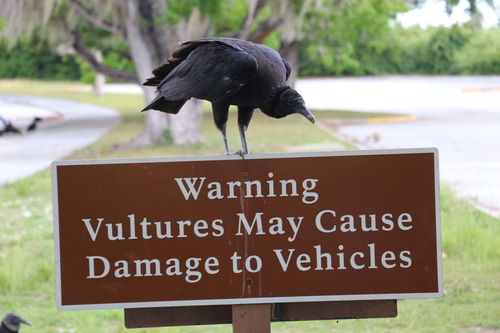 Black Vulture
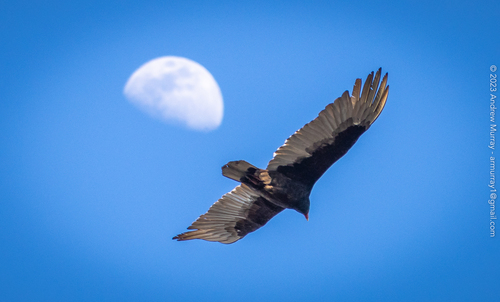 Turkey Vulture
In breve
Il segno di campo più affidabile tra Black Vulture e Turkey Vulture è il motivo sulla parte inferiore delle ali in volo: i Black Vultures mostrano chiazze bianche distinte solo alle punte delle ali, mentre i Turkey Vultures mostrano un'ampia area grigio argento lungo l'intero bordo posteriore della parte inferiore dell'ala. I Black Vultures hanno una coda corta e quadrata e battono le ali più frequentemente con colpi superficiali e rigidi; i Turkey Vultures hanno una coda più lunga e snella e planano con le ali tenute in una V poco profonda, raramente battendo le ali. Anche il colore della testa è fondamentale: i Black Vultures hanno teste senza piume di un grigio scuro, mentre i Turkey Vultures adulti hanno teste senza piume di colore rosso. Queste differenze sono visibili tutto l'anno e in tutte le classi di età, anche se i Turkey Vultures immaturi hanno teste grigiastre. Entrambe le specie sono grandi spazzini scuri, ma un'attenta attenzione allo stile di volo e al motivo della parte inferiore dell'ala le separerà in quasi ogni situazione.
Consigli di identificazione
- Motivo della parte inferiore dell'ala in volo (tutte le età): I Black Vultures mostrano chiazze bianche nette solo alle punte delle ali (base delle primarie), mentre i Turkey Vultures hanno un ampio bordo posteriore grigio argento lungo l'intera parte inferiore dell'ala. Questo è il segno di campo più affidabile.
- Forma e lunghezza della coda: La coda del Black Vulture è corta e quadrata, appena estesa oltre le ali piegate quando è posato. La coda del Turkey Vulture è lunga e snella, proiettandosi ben oltre le punte delle ali quando è posato o in volo.
- Stile di volo: I Black Vultures battono le ali frequentemente con colpi superficiali e rigidi e planano con le ali tenute piatte. I Turkey Vultures raramente battono le ali, planando con le ali in una V poco profonda e spesso oscillando da un lato all'altro.
- Colore della testa (adulti): I Black Vultures hanno una testa senza piume di un grigio scuro e rugoso. I Turkey Vultures adulti hanno una testa senza piume di colore rosso. I Turkey Vultures immaturi hanno una testa grigia, che può causare confusione, ma il motivo della parte inferiore dell'ala li separa ancora.
- Colore del corpo: I Black Vultures sono neri lucidi in generale; i Turkey Vultures sono di un nero bruno, anche se questo può essere sottile sul campo.
- Comportamento di gruppo: I Black Vultures sono più propensi a essere visti in gruppi aggressivi e compatti, specialmente sui cadaveri. I Turkey Vultures sono solitamente solitari o in gruppi sciolti mentre cercano cibo.
- Postura posata: I Black Vultures appaiono più compatti e curvi, con code corte e ali larghe. I Turkey Vultures sembrano più snelli, con code e ali più lunghe.
- Colore delle gambe: Entrambe le specie possono avere gambe striate di bianco a causa di uroidrosi; questo non è un separatore affidabile.
- Colore del becco: I Turkey Vultures hanno un becco corto, ricurvo e di colore avorio; il becco dei Black Vultures è meno contrastante e meno ricurvo, ma questo è raramente visibile da lontano.
- Posato: Entrambe le specie possono posarsi insieme su alberi morti o strutture artificiali, quindi il contesto da solo non è diagnostico.
- Confusione giovanile/immatura: I Turkey Vultures immaturi hanno una testa grigia e possono essere scambiati per Black Vultures, ma il motivo della parte inferiore dell'ala (ampio bordo posteriore grigio argento vs. punte delle ali bianche) li separa sempre.
- Habitat: Entrambe usano una vasta gamma di habitat aperti e semi-aperti; non fare affidamento solo sull'habitat per la separazione.
- Vocalizzazioni: Entrambi sono generalmente silenziosi, emettendo solo sibili e grugniti; non utili per l'identificazione.
- Stagione/sesso: Non ci sono differenze stagionali o sessuali nei segni di campo; tutti i suggerimenti sopra si applicano tutto l'anno e a entrambi i sessi.
- Uccelli leucistici: Individui rari con piumaggio bianco di entrambe le specie si verificano ma sono eccezionali; controlla sempre il colore della testa e il motivo della parte inferiore dell'ala per conferma.
Taglia
Entrambe le specie sono grandi avvoltoi, ma il Turkey Vulture è generalmente più lungo (62–81 cm vs. 56–74 cm) e ha un'apertura alare più ampia (1,5–2 m vs. 1,33–1,67 m) [wikipedia]. La massa si sovrappone, ma il Black Vulture è leggermente più pesante in alcune regioni (Texas: 2,15 kg Black vs. 2 kg Turkey; Venezuela: 1,64 kg Black vs. 1,22–1,45 kg Turkey). Sul campo, i Turkey Vultures appaiono più snelli e con ali più lunghe, mentre i Black Vultures sembrano più compatti e con ali larghe. La lunghezza della coda è un forte differenziatore: la coda del Turkey Vulture è lunga e snella, estendendosi ben oltre le punte delle ali quando è posato; la coda del Black Vulture è corta e quadrata, raggiungendo a malapena oltre le ali piegate.
Piumaggio
In tutte le classi di età, la differenza di piumaggio più diagnostica è il motivo della parte inferiore dell'ala in volo. I Black Vultures mostrano bianco solo alla base delle primarie (punte delle ali 'mani'), formando una chiazza bianca netta al bordo esterno della parte inferiore dell'ala, mentre il resto dell'ala è nero. I Turkey Vultures hanno un'ampia area grigio argento lungo l'intero bordo posteriore della parte inferiore dell'ala, in contrasto con le copritrici scure delle ali e il corpo. Questa differenza è visibile sia negli adulti che negli immaturi. Anche il colore della testa è distinto: i Black Vultures adulti hanno una testa senza piume di un grigio scuro e rugoso; i Turkey Vultures adulti hanno una testa senza piume di colore rosso, mentre gli immaturi hanno una testa grigia con una punta di becco nera. Entrambe le specie sono complessivamente scure, ma i Turkey Vultures sono più bruno-neri, e i Black Vultures sono neri lucidi. La forma della coda è anche un segno chiave: la coda del Black Vulture è corta e quadrata, quella del Turkey Vulture è lunga e snella. Entrambe le specie possono mostrare gambe striate di bianco a causa di uroidrosi, quindi questo non è un separatore affidabile.
Comportamento
I Black Vultures battono le ali più frequentemente e con colpi più superficiali e rigidi, alternando brevi esplosioni di battito d'ali con brevi planate. Planano con le ali tenute piatte (orizzontali) e spesso volano in gruppi compatti. I Turkey Vultures raramente battono le ali, invece planano per lunghi periodi con le ali tenute in un dihedro poco profondo (forma a V), oscillando da un lato all'altro. I Turkey Vultures di solito cercano cibo da soli o in gruppi sciolti, mentre i Black Vultures sono più gregari, spesso visti in grandi stormi compatti, specialmente sui cadaveri. Entrambe le specie si posano in modo comunale, a volte insieme.
Habitat
Entrambe le specie si sovrappongono ampiamente in termini di distribuzione e habitat, utilizzando aree aperte e semiaperte, foreste, arbusteti, pascoli e persino ambienti urbani. Il Turkey Vulture ha una gamma più ampia, estendendosi più a nord e a sud rispetto al Black Vulture. I Black Vultures sono più comuni nel sud-est degli Stati Uniti e in tutta l'America Centrale e Meridionale, mentre i Turkey Vultures si trovano dal Canada meridionale fino al punto più a sud dell'America del Sud. L'habitat non è un forte separatore dove entrambe le specie si trovano.
Voce
Nessuna delle due specie ha una vera voce; entrambe mancano di un syrinx e possono solo sibilare o grugnire quando sono agitate o si nutrono. Le vocalizzazioni non sono utili per la separazione sul campo.