

Black Vulture vs Roadside Hawk
Coragyps atratus contro Rupornis magnirostris
Fai un quiz con Black Vulture e Roadside Hawk
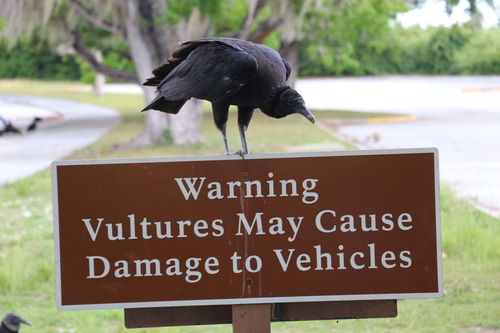 Black Vulture
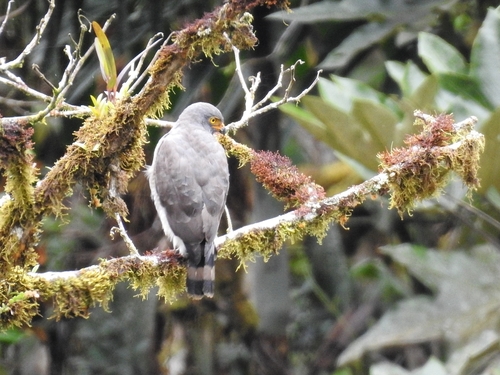 Roadside Hawk
In breve
Il segno distintivo più affidabile per separare il Avvoltoio monaco dall'Roadside Hawk sono le sorprendenti macchie bianche a forma di 'mano' sul lato inferiore delle primarie del vulture nero, visibili in tutte le età durante il volo, in contrasto con le parti inferiori e la coda barrate marrone e bianco dell'roadside hawk, e l'assenza di qualsiasi pannello bianco sulle ali. I vulture neri sono molto più grandi, più robusti e planano con ali larghe e squadrate e una coda corta e quadrata, mentre gli hawk roadside sono compatti, con code proporzionalmente lunghe e ali corte e arrotondate, e mostrano toni rugginosi sulle ali in volo. In posizione di perching, la testa grigia nuda e rugosa del vulture e il suo piumaggio completamente nero sono inconfondibili rispetto alla testa piumata dell'hawk, alle parti inferiori barrate e alle parti superiori marroni o grigie. In volo, i vulture neri battono le ali in brevi scoppi e planano, mentre gli hawk roadside hanno un volo di rapace più tipico con battiti frequenti e meno planata. La confusione è più probabile con uccelli lontani in volo, ma un'attenta attenzione alla forma delle ali, al modello delle ali inferiori e alla dimensione risolverà quasi tutti gli incontri sul campo.
Consigli di identificazione
- White wing patches in flight (all ages): Il vulture nero mostra audaci macchie bianche alla base delle primarie sul lato inferiore dell'ala, formando un chiaro contrasto con il resto dell'ala nera. L'roadside hawk non mostra mai questo; la sua ala inferiore è barrata o semplice, a volte con toni rugginosi, ma senza pannello bianco.
- Size and shape: Il vulture nero è molto più grande e robusto, con un'apertura alare superiore a 1,3 m, ali larghe e una coda corta e quadrata. L'roadside hawk è piccolo, con una coda lunga e a bande e ali corte e arrotondate. Anche a distanza, la dimensione e le proporzioni del vulture sono distintive.
- Head and bill: Il vulture nero ha una testa e un collo grigi nudi e rugosi, dando un aspetto simile a un avvoltoio, quasi rettiliano. L'roadside hawk ha una testa completamente piumata e un becco relativamente grande e ricurvo tipico degli hawk.
- Tail shape: La coda del vulture nero è molto corta e quadrata, estendendosi a malapena oltre le ali ripiegate quando è in posizione di perching. La coda dell'roadside hawk è lunga e arrotondata, con chiari barrature grigie.
- Plumage color: Il vulture nero è nero lucido in tutto tranne che per le macchie bianche sulle ali e le gambe grigie. L'roadside hawk è marrone o grigio sopra, barrato marrone e bianco sotto, e spesso mostra rugginoso sulle ali in volo.
- Perched posture: Il vulture nero si posiziona accovacciato, spesso con le ali spiegate per prendere il sole, e può essere visto in gruppi. L'roadside hawk si posiziona eretto, di solito da solo o in coppie, e non si espone al sole nello stesso modo.
- Flight style: Il vulture nero planano con le ali tenute piatte, battendo in brevi scoppi e planando. L'roadside hawk batte più frequentemente e non plana così efficientemente; può essere visto fare voli più brevi da un posatoio.
- Group behavior: I vulture neri sono spesso in grandi stormi, specialmente nei luoghi di riposo o sulle carcasse. Gli hawk roadside sono solitari o in coppie.
- Leg color and appearance: Le gambe del vulture nero sono grigio-bianco, spesso striate di acido urico bianco a causa dell'uroidrosi. Le gambe dell'roadside hawk non sono descritte come distintive.
- Vocalizations: Il vulture nero è silenzioso tranne che per grugniti/sibilo. L'roadside hawk è molto vocale, con un richiamo acuto e squillante.
- Habitat context: I vulture neri sono comuni presso le discariche, ai lati delle strade e in aree aperte con carcasse. Gli hawk roadside sono comuni lungo le strade e ai margini delle foreste ma non si nutrono di carcasse.
- Iris color: Il vulture nero ha occhi marroni; l'roadside hawk ha occhi bianchi o gialli negli adulti.
- Feeding behavior: I vulture neri si nutrono di carcasse, spesso in gruppi. Gli hawk roadside cacciano piccoli animali e insetti, raramente sulle carcasse.
- Season and age: Nessuna confusione significativa legata all'età; entrambe le specie mostrano i loro segni distintivi durante tutto l'anno e dalla piuma giovanile a quella adulta.
- Common pitfalls: Gli hawk roadside lontani in volo possono apparire scuri, ma mancano del pannello bianco del vulture e della sua robustezza. I vulture giovanili non perdono il pannello bianco, quindi questo segno è sempre affidabile.
Taglia
Il vulture nero è drammaticamente più grande: 56–74 cm (22–29 in) di lunghezza, con un'apertura alare di 1,33–1,67 m (52–66 in), e pesa 1,6–3 kg (3,5–6,6 lb) [wikipedia]. L'roadside hawk è molto più piccolo: 31–41 cm (12–16 in) di lunghezza, pesando solo 250–300 g (8,8–10,6 oz) [wikipedia]. L'apertura alare del vulture è più del doppio di quella dell'hawk, e appare più robusto e pesante in tutte le posture. Anche a distanza, il divario di dimensione è solitamente ovvio se entrambi sono visti insieme o vicino a oggetti familiari.
Piumaggio
In tutte le età, il vulture nero è nero lucido in tutto con una testa e un collo grigi nudi e rugosi. Il segno distintivo in volo è la macchia bianca alla base delle primarie sull'ala inferiore, che forma un forte contrasto con il resto dell'ala e del corpo, che rimangono neri. La coda è corta e quadrata, estendendosi a malapena oltre le ali ripiegate. I vulture neri giovanili e adulti mostrano questo stesso schema; non ci sono variazioni specifiche per età notate nelle ali superiori o inferiori [wikipedia]. L'roadside hawk, al contrario, è marrone o grigio sopra (variando a seconda della sottospecie), con parti inferiori barrate marrone e bianco e una coda contrassegnata da quattro o cinque barre grigie. In volo, gli hawk roadside mostrano spesso un tocco di rugginoso sulle ali, specialmente vicino ai covert, e l'ala inferiore non ha alcun pannello bianco. La testa è completamente piumata e gli occhi sono bianchi o gialli negli adulti. C'è una significativa variazione di piumaggio tra le sottospecie di roadside hawk, ma nessuna si avvicina all'aspetto completamente nero del vulture o al suo audace pannello bianco. Gli hawk roadside giovanili non sono descritti come aventi pannelli o modelli distintivi delle ali superiori che potrebbero essere confusi con il vulture.
Comportamento
I vulture neri sono altamente gregari, spesso visti planare in grandi gruppi, riposare insieme su rami nudi e cercare cibo in modo comunitario sulle carcasse. Planano con le ali tenute piatte e fanno brevi battiti frequenti intervallati da planate. Quando sono in posizione di perching, possono spiegare le ali per prendere il sole. Gli hawk roadside sono tipicamente solitari o in coppie, spesso posati in aree aperte o planando singolarmente. Il loro volo è più attivo, con battiti frequenti e meno planata rispetto ai vulture. Gli hawk roadside non si radunano in grandi stormi e sono più propensi a essere visti cacciare da un posatoio o fare voli brevi dopo la preda. La tendenza del vulture a rigurgitare o defecare sulle proprie gambe (uroidrosi) è unica e non si osserva negli hawk.
Habitat
Entrambe le specie possono verificarsi in campagna aperta, ma il contesto aiuta: i vulture neri si trovano spesso vicino a insediamenti umani, discariche, ai lati delle strade e in campi aperti, dove si nutrono in gruppi. Gli hawk roadside sono diffusi e comuni nel loro areale, spesso visti posati su fili, pali o rami esposti lungo strade e margini forestali, ma è meno probabile che siano visti su carcasse o in grandi gruppi. Se l'uccello è con un gruppo su una carcassa o sta planando con altri vulture, è quasi certamente un vulture nero. Un rapace solitario posato lungo un lato della strada o al margine di una foresta è più probabile che sia un roadside hawk.
Voce
I vulture neri sono generalmente silenziosi, privi di un syrinx, e possono solo produrre sibilo o grugniti quando sono agitati o si nutrono [wikipedia]. Gli hawk roadside sono notevolmente vocali, con un richiamo acuto e penetrante che è spesso udito e può essere un utile indizio. Se senti un richiamo forte e squillante, è l'hawk; il silenzio o solo grugniti/sibili indicano il vulture.